
 EN
EN
 ar
ar bg
bg hr
hr cs
cs da
da nl
nl fi
fi fr
fr de
de el
el hi
hi it
it ko
ko no
no pl
pl pt
pt ro
ro ru
ru es
es sv
sv tl
tl iw
iw id
id lv
lv lt
lt sr
sr sk
sk sl
sl uk
uk vi
vi et
et hu
hu th
th tr
tr fa
fa ms
ms hy
hy ka
ka ur
ur bn
bn mn
mn ta
ta kk
kk uz
uz ku
ku
Intelligent Weir Flow Meter
A Kingmach Intelligent Weir Flow Meter installation works as a hydraulic measurement point, not simply a sensor mounted near water. The weir body, crest, approach channel, water head location, enclosure, cable route, and inspection access all affect the quality of the flow record. A good site has stable approach flow and enough access for cleaning, verification, and safe maintenance. If the water surface is turbulent, if sediment collects near the crest, or if downstream water backs up toward the measuring section, the record may not represent the intended relationship between head and flow. Product information can help project teams evaluate these conditions before installation. It also reminds owners that long-term reliability comes from both equipment and routine channel care. A well-installed point can provide useful data for years, while a poorly placed point can create repeated uncertainty even when the electronics are working. Maintenance teams need a record that tells them where to look. If a curve drops slowly, cleaning and sediment checks may come first. If it rises suddenly during dry conditions, upstream operation or a changed drainage path may deserve attention. The strongest flow reports are written around decisions. They show whether to keep observing, clean the channel, inspect upstream conditions, check downstream backwater, or compare the point with another water-level or rainfall record.
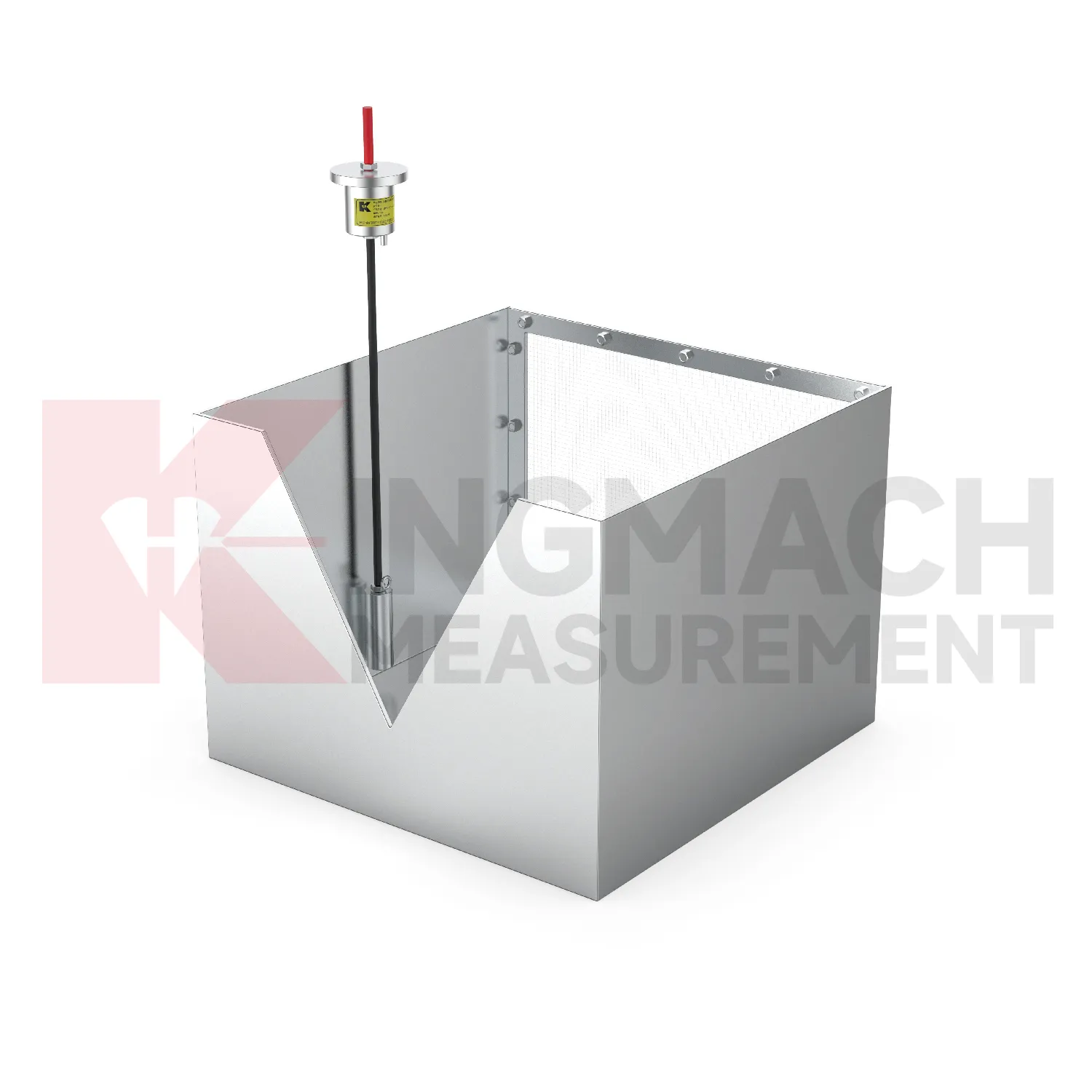
Application of Intelligent Weir Flow Meter
Dam and slope drainage applications use Kingmach Intelligent Weir Flow Meter to connect water discharge with ground or structural behavior. In a dam gallery, toe drain, slope drainage channel, or retaining structure outlet, flow changes may reflect rainfall, seepage, groundwater variation, or maintenance work. The flow record should be reviewed with pore pressure, settlement, displacement, rainfall, reservoir level, and inspection notes when those records exist. A gradual rise during wet periods may be expected, but a sudden dry-weather change deserves attention. The measuring section should be protected from sediment and vegetation because blockage can make the curve misleading. This application turns drainage flow into a supporting record for safety review. A weir point also needs safe routine access. If staff cannot reach the crest, enclosure, or sensing area during wet weather, the project may collect data but struggle to maintain confidence in it when the record is most important. For dams and slopes, the review should focus on correlation rather than isolated readings. A flow increase near other movement or pressure changes deserves a different level of attention from a short increase after known rainfall. Clear notes help engineers decide whether continued observation, cleaning, inspection, or further investigation is appropriate. That discipline keeps the flow record useful during both routine inspections and unusual weather.
The future of Intelligent Weir Flow Meter
Future Kingmach Intelligent Weir Flow Meter will need stronger data quality checks. A weir flow record can be affected by debris, algae, sediment, backwater, frozen conditions, sensor disturbance, or changed channel geometry. Automated checks can flag suspicious patterns, but the final review still needs field knowledge. The platform should make it easy to record cleaning, inspection, and repairs beside the curve. That way a sudden change can be interpreted with maintenance history rather than treated as a mystery. Good data quality practice keeps the flow record useful in real operating conditions. Future reporting will also need clearer traceability. When a project uses the same channel for compliance, drainage planning, and water balance review, every edited period should explain why the data was accepted, corrected, or excluded. Clean audit notes help different teams trust the same record without turning every monthly review into a fresh investigation. This is especially useful for long unattended periods and seasonal site access limits.
Care & Maintenance of Intelligent Weir Flow Meter
Replacement or repair of Kingmach Intelligent Weir Flow Meter components should preserve the flow history. If the measuring section, water head point, enclosure, cable, data channel, or platform setting changes, record the date, reason, old condition, new condition, and first stable reading. Do not hide the change by forcing the curve to look continuous without explanation. Future reviewers need to know whether a flow shift came from water behavior or from maintenance. A clear repair note protects the long-term value of the flow record and makes handover easier for the next team. Repair work should also include a short comparison before and after the change. Photos, technician notes, and a brief explanation of why the work was done can keep the data traceable. If the channel was cleaned or reshaped at the same time, that should be separated from instrument repair so later trend review does not mix two different causes. during review.
Kingmach Intelligent Weir Flow Meter
For water conservancy and drainage work, Kingmach Intelligent Weir Flow Meter helps turn routine channel observation into a record that can be compared over time. Manual checks may capture a single moment, but automatic flow monitoring can show daily rhythm, storm response, operating changes, and abnormal behavior. The data is useful when it answers practical questions: Is the channel passing expected flow? Did a maintenance action restore capacity? Did a rainfall event create delayed discharge? Did sediment or debris affect the measurement? A strong flow monitoring plan connects the weir point with field inspection and maintenance notes so the number remains explainable. The value is not only in collecting a level reading. It is in creating a stable reference for how a channel behaves under normal use, heavy rain, seasonal change, and maintenance activity. When the same location is observed consistently, operators can see whether the site is changing gradually or reacting to a specific event.
FAQ
Q: What is Kingmach Intelligent Weir Flow Meter used for?
A: It is used to measure open-channel flow by reading water head at a controlled weir section and turning that change into a repeatable flow record.
Q: Where can it be applied?
A: It can support water conservancy, drainage, irrigation, tunnel discharge, dam drainage, construction runoff, industrial water channels, and water resource management.
Q: Why use a weir for flow monitoring?
A: A weir creates a stable hydraulic control section, making it easier to compare flow behavior over time when the channel is maintained properly.
Q: What makes the record useful?
A: A useful record links flow with site events such as rainfall, gate operation, cleaning, seepage, pump activity, or inspection findings.
Q: Should the meter be treated as a standalone device?
A: No. It should be treated as a measuring point that includes the channel, weir crest, water head reference, data path, and maintenance access. Maintenance teams need a record that tells them where to look. If a curve drops slowly, cleaning and sediment checks may come first. If it rises suddenly during dry conditions, upstream operation or a changed drainage path may deserve attention.
Reviews
James Thompson
The tiltmeters and accelerometers are very sensitive and provide precise data. Perfect for our structural health monitoring system.
Robert Taylor
The weir flow meter is well-built and delivers accurate measurements. Great value for water management applications.
Latest Inquiries
To protect the privacy of our buyers, only public service email domains like Gmail, Yahoo, and MSN will be displayed. Additionally, only a limited portion of the inquiry content will be shown.
Sophia***@gmail.comUnited Kingdom
Good day, we need environmental monitoring sensors including temperature, humidity, and wind sensors...
Harper***@gmail.comIndia
Dear Sir, we are planning to procure a complete monitoring system including strain gauges, tiltmeter...
Related product categories
- Intelligent Weir Flow Meter
- Smart Weir Flow Meter
- weir flow meter
- weir type flow meter
- weir flow meter Price
- weir flow meter Manufacturer
- weir flow meter Supplier
- weir flow meter Solution
- weir flow meter System Integration
- weir flow meter Localization
- weir flow meter Domestic Manufacturing
- weir flow meter China