
 EN
EN
 ar
ar bg
bg hr
hr cs
cs da
da nl
nl fi
fi fr
fr de
de el
el hi
hi it
it ko
ko no
no pl
pl pt
pt ro
ro ru
ru es
es sv
sv tl
tl iw
iw id
id lv
lv lt
lt sr
sr sk
sk sl
sl uk
uk vi
vi et
et hu
hu th
th tr
tr fa
fa ms
ms hy
hy ka
ka ur
ur bn
bn mn
mn ta
ta kk
kk uz
uz ku
ku
Motor Shielded Test Cable
Kingmach Motor Shielded Test Cable include test dedicated shielded wire JMZX-XPX and hydraulic cable JMZX-XSX. JMZX-XPX uses a composite shielding structure for anti-interference work where low-loss sensor signal transmission is needed. It is suited to precise monitoring signals in harsh environments, especially when nearby power equipment or construction activity may affect readings. JMZX-XSX is a special cable for hydraulic engineering, using multi-layer sealing and water-resistant insulation to support power and signal transmission in underwater or humid conditions. Both cables are part of Kingmach Measurement & Monitoring Technology's accessory range for structural monitoring instruments.
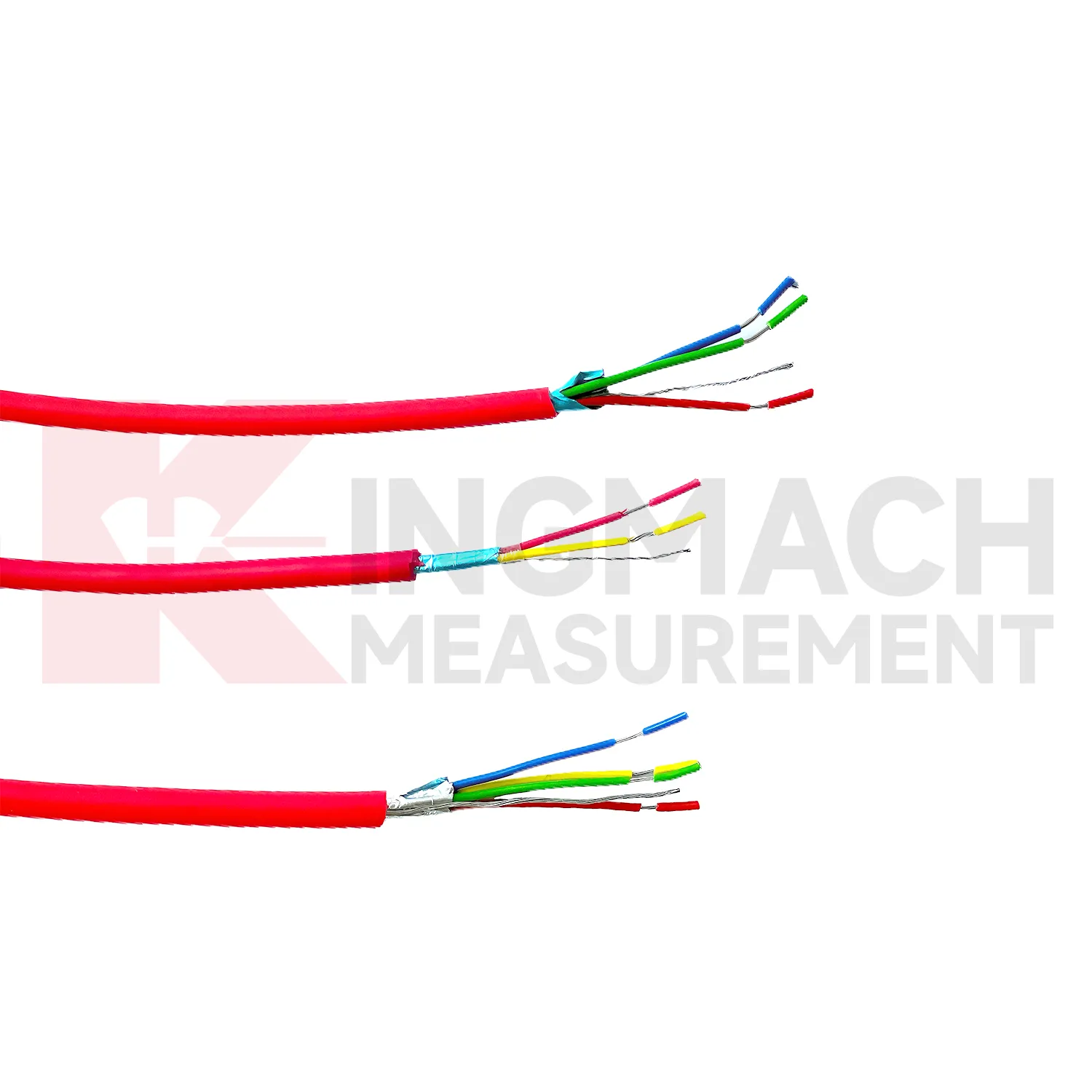
Application of Motor Shielded Test Cable
Monitoring system upgrades use Kingmach Motor Shielded Test Cable when old routes must be replaced, extended, or reorganized without losing traceability. A site may add new sensors, move cabinets, change data loggers, or repair damaged lines after years of service. Multi-core shielded and hydraulic cable options allow engineers to plan new routes around channel count, wet exposure, interference, and maintenance access. During upgrade work, recording old and new cable IDs, core assignments, and first stable readings prevents future reviewers from confusing a wiring change with a structural trend.
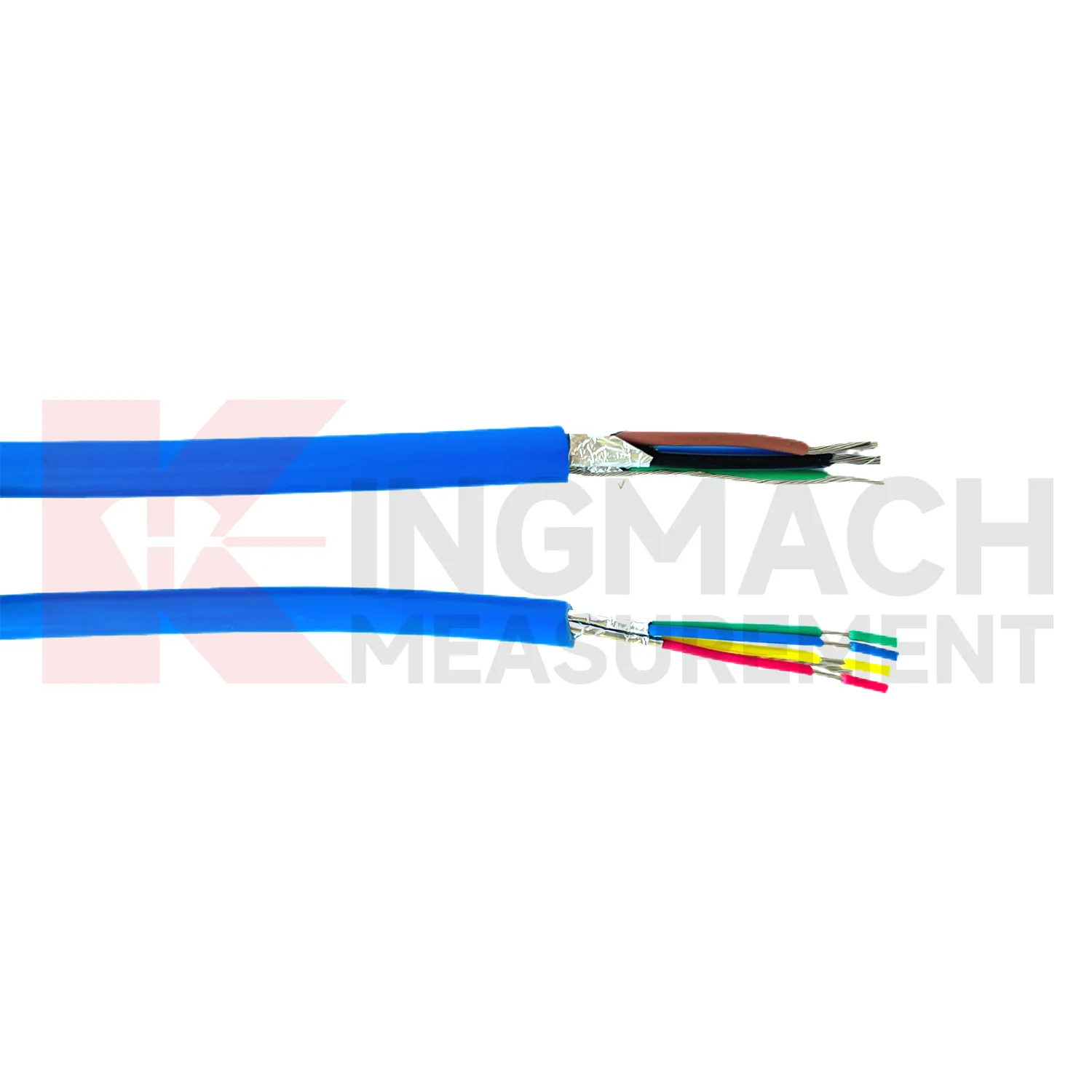
The future of Motor Shielded Test Cable
Future water-related monitoring will place more emphasis on Kingmach Motor Shielded Test Cable with sealing and tensile performance. Climate pressure, heavier rainfall, flood control, dam inspection, drainage management, and coastal infrastructure all increase the need for stable data in wet areas. JMZX-XSX is aligned with these needs through its multi-layer sealing, water-resistant insulation, and stronger waterproof and tensile behavior. Good cable planning will help teams keep hydraulic monitoring points active when conditions are hardest to access.
Care & Maintenance of Motor Shielded Test Cable
Protect Kingmach Motor Shielded Test Cable from moisture at cable ends and cabinet entries. Even a cable with strong water-resistant behavior can fail if the termination is left open, poorly sealed, or exposed during maintenance. In hydraulic work, check glands, junction boxes, conduits, and any low points where water may collect. After heavy rain, flooding, cleaning, or wet construction work, inspect affected cable routes before relying on abnormal readings. Dry and sealed terminations help preserve signal quality over long monitoring periods.
Kingmach Motor Shielded Test Cable
Kingmach Motor Shielded Test Cable give engineers a practical way to standardize sensor wiring across mixed instrument projects. A single structure may use vibrating wire strain gauges, load cells, displacement meters, tiltmeters, piezometers, settlement sensors, temperature sensors, and readout or data logger equipment. Without consistent cable selection and labeling, the cabinet becomes difficult to inspect after a few months of field changes. Layered shielding, multi-core options, and marked Kingmach delivery help the team maintain traceability from sensor to recorder. When later readings are reviewed, that traceability supports faster checks of channel identity, cable condition, and connection history.
FAQ
Q: How do these cables affect online monitoring?
A: Cleaner cable input helps acquisition modules send steadier data to platforms, alarms, and trend reports.
Q: What should be recorded at handover?
A: Record model, core count, used conductors, spare conductors, route drawing, terminal numbers, and commissioning values.
Q: How should repair work be logged?
A: Write down the fault, removed section condition, new cable details, connector work, and the first stable reading afterward.
Q: Why do spare cores need records?
A: Unrecorded spare cores can confuse later expansion work or lead technicians to disturb an active channel.
Q: Can cable planning reduce site visits?
A: Yes. Clear routing, sealing, labels, and model selection help technicians locate faults without repeated trial checks.
Reviews
Andrew Lee
The visualization software is intuitive and powerful. It helps us analyze monitoring data efficiently.
Robert Taylor
The weir flow meter is well-built and delivers accurate measurements. Great value for water management applications.
Latest Inquiries
To protect the privacy of our buyers, only public service email domains like Gmail, Yahoo, and MSN will be displayed. Additionally, only a limited portion of the inquiry content will be shown.
Mia***@gmail.comNetherlands
Dear team, we are interested in your readouts & data loggers compatible with multiple sensors. Do yo...
Amelia***@gmail.comSingapore
Hello, I am looking for visualization software for monitoring system data analysis. Please let me kn...