
 EN
 ar
 bg
 hr
 cs
 da
 nl
 fi
 fr
 de
 el
 hi
 it
 ko
 no
 pl
 pt
 ro
 ru
 es
 sv
 tl
 iw
 id
 lv
 lt
 sr
 sk
 sl
 uk
 vi
 et
 hu
 th
 tr
 fa
 ms
 hy
 ka
 ur
 bn
 mn
 ta
 kk
 uz
 ku

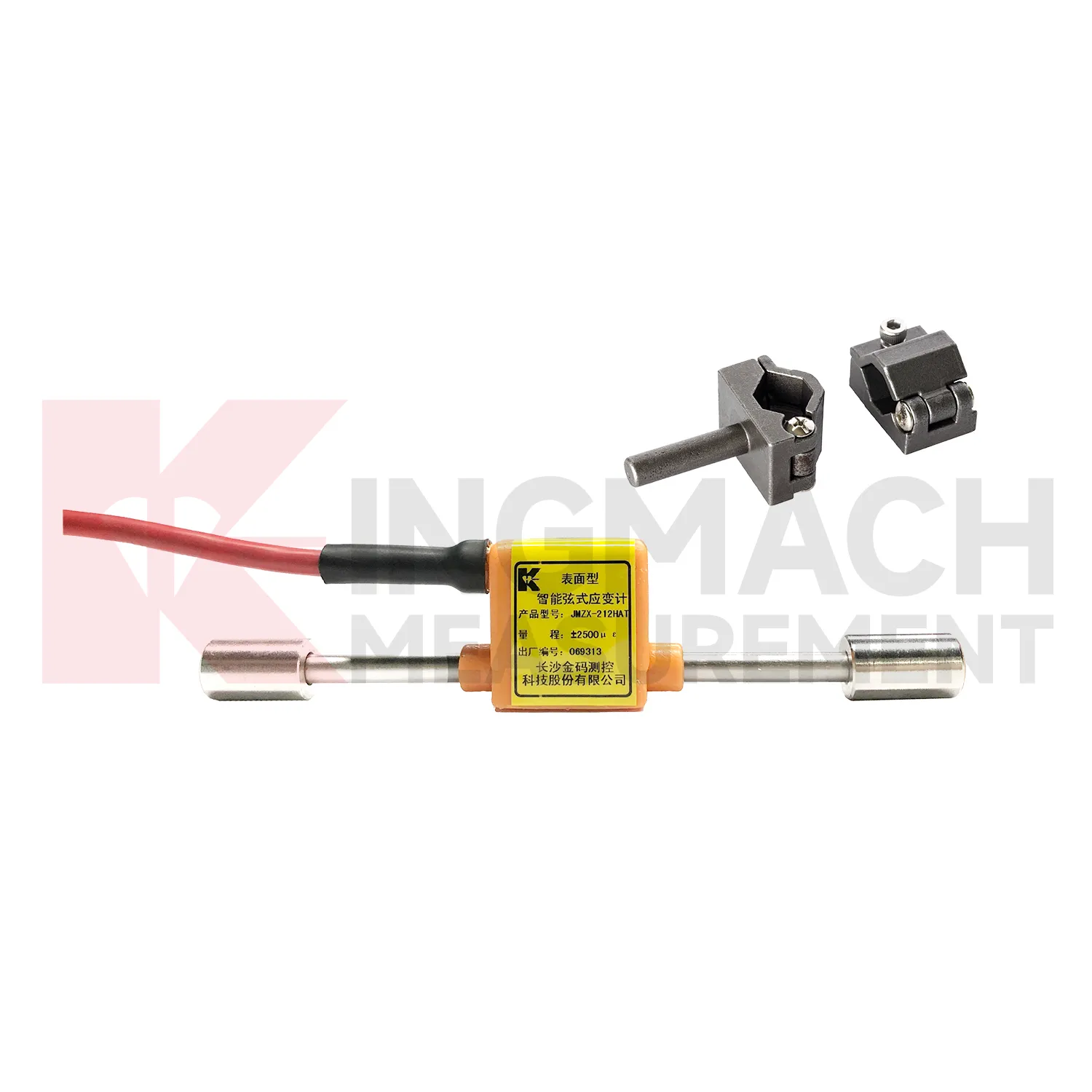
Smart vibrating wire strain gauge (surface welded model)
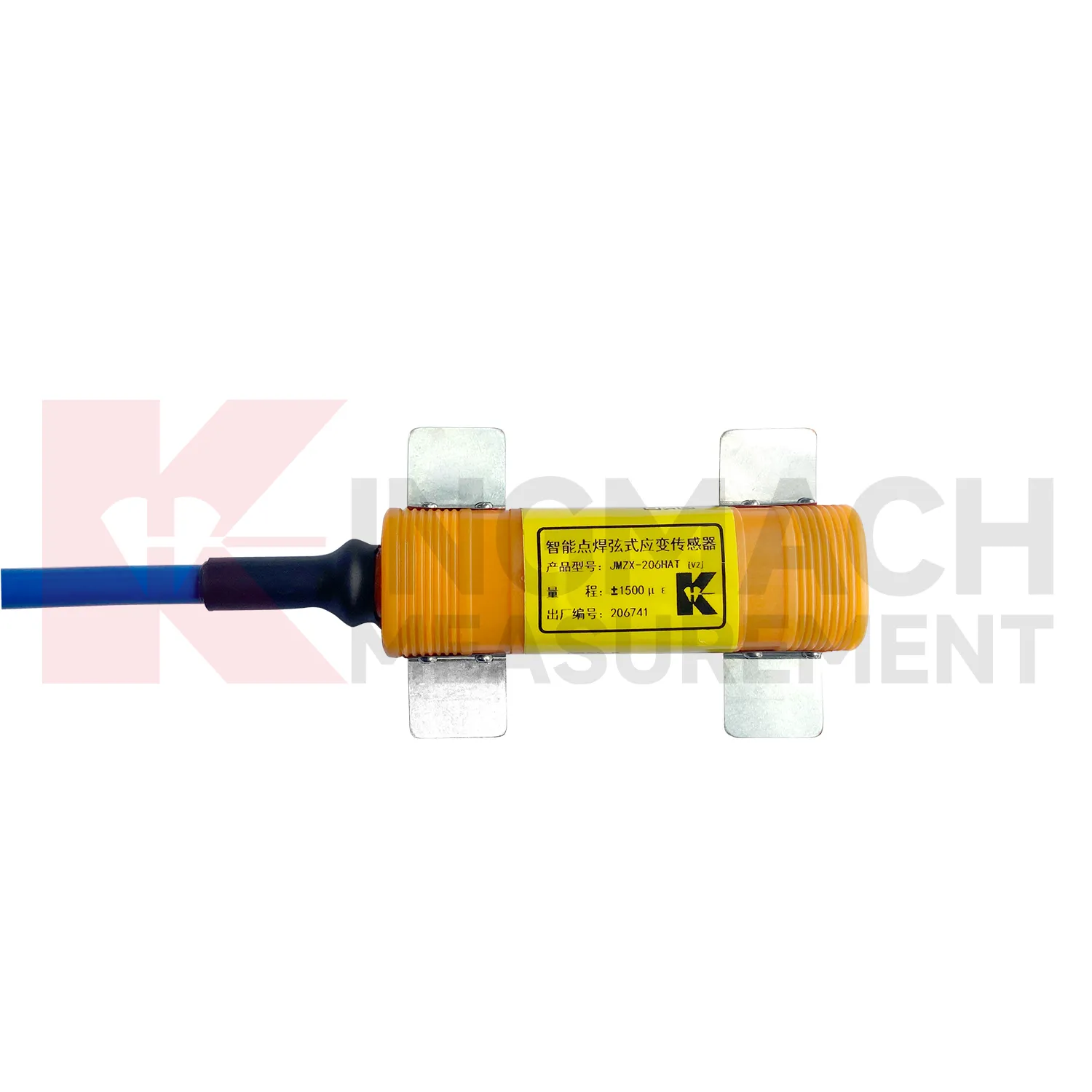
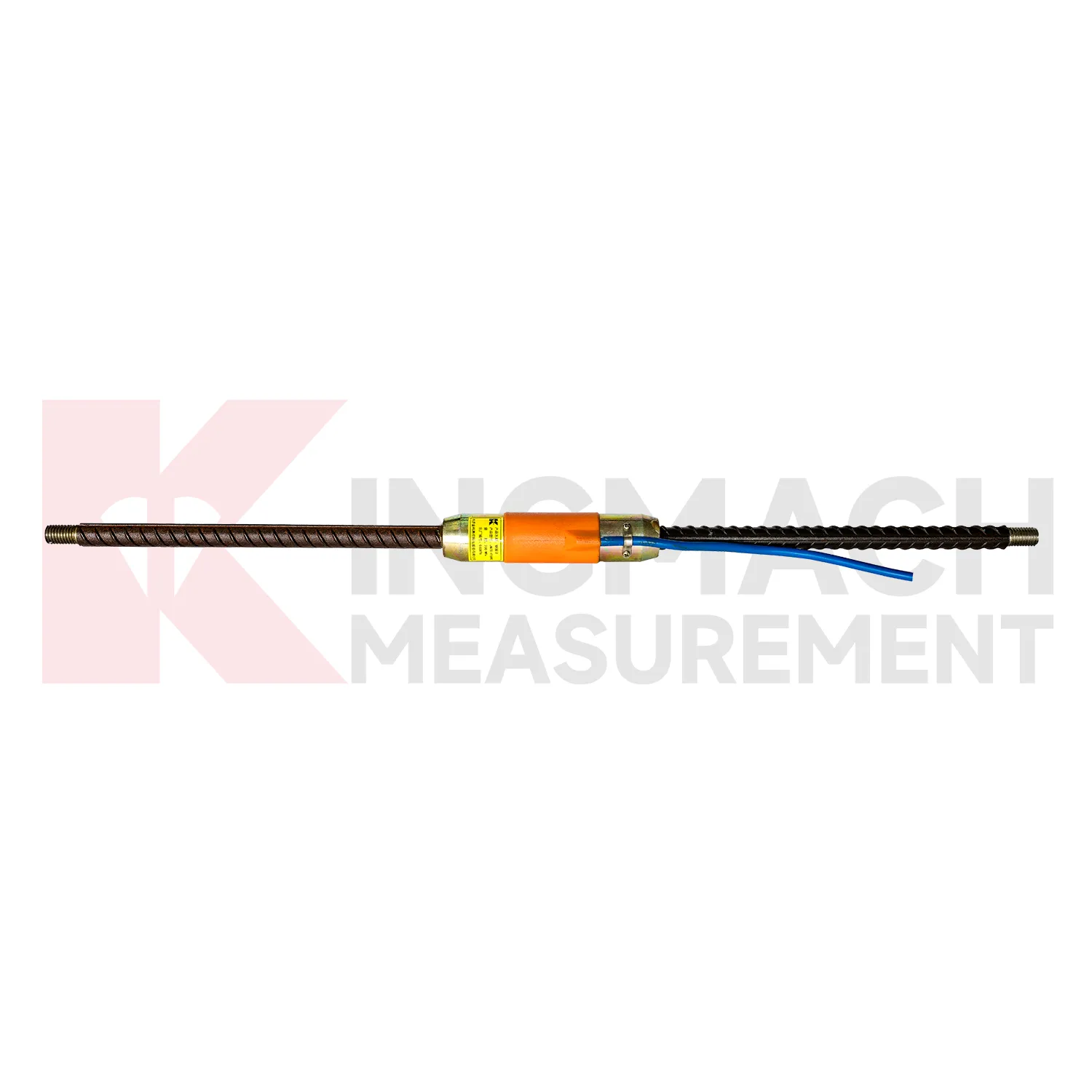
Kingmach {keyword} supports both manual inspection workflows and unattended monitoring. With a comprehensive readout unit, engineers can view physical values or vibrating wire frequency directly on site. With automated acquisition, the same monitoring point can be read regularly without a person standing beside it. This is useful for bridges with heavy traffic, tunnels with limited access, dams with long service periods, and foundations where embedded sensors cannot be reached after construction. Product details such as 0.1 microstrain resolution, 0.5%F.S. accuracy, sealed stainless steel housings, and optional temperature correction help keep the measurements usable. The company also lists delivery, warranty, and product support information, which matters to procurement teams planning long term monitoring projects rather than one time testing. The technical data also helps purchasing teams ask better questions. Instead of comparing only unit price, they can check whether the selected model supports the required range, resolution, waterproofing, delivery schedule, readout method, and long term monitoring plan. They also help the owner decide whether manual reading, scheduled logging, or unattended monitoring is the better operating method. A clear specification record reduces confusion when the same project uses surface, embedded, welded, and rebar based instruments together. That is why model data, calibration values, and channel labels should travel with the product from procurement to commissioning.
Application of Smart vibrating wire strain gauge (surface welded model)
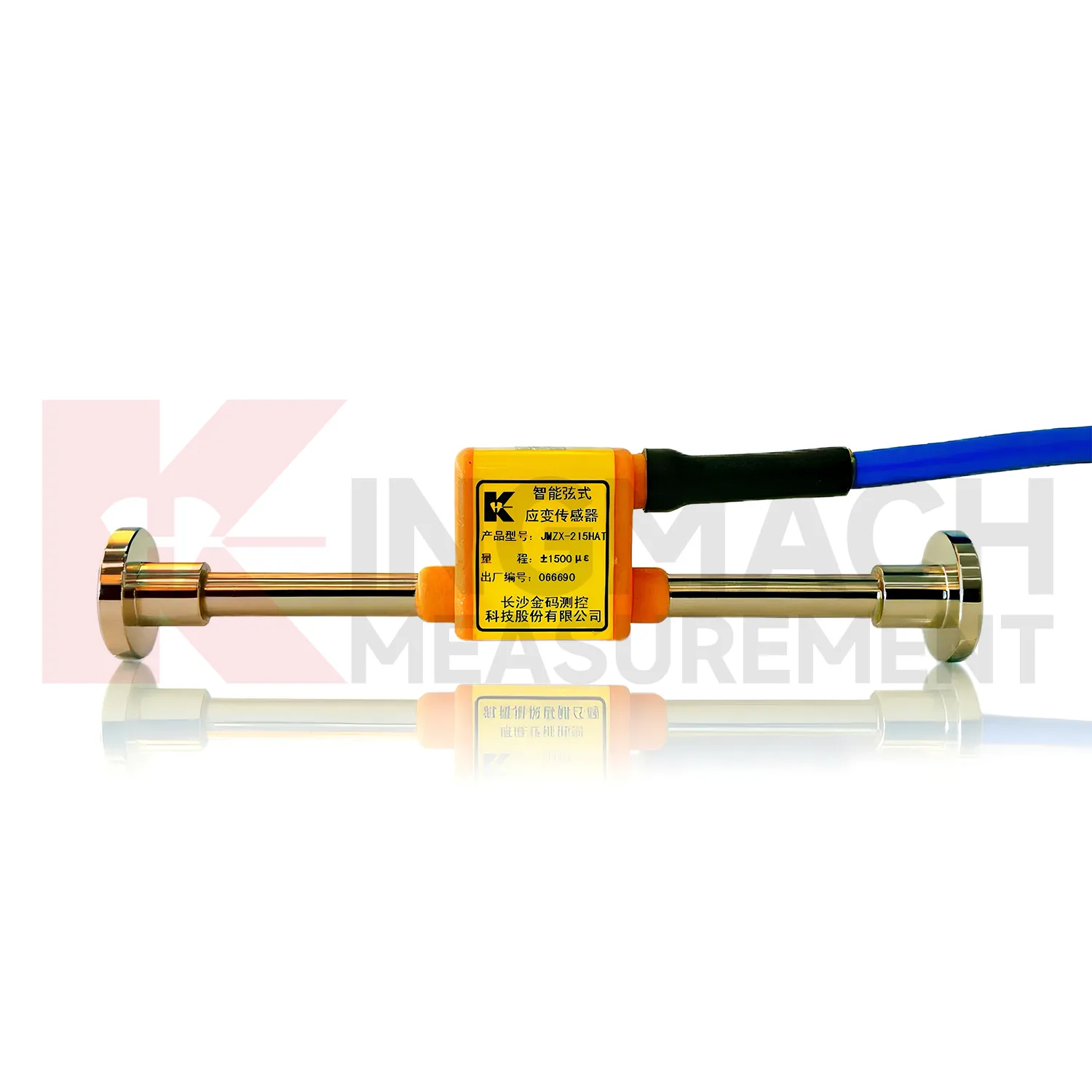
For online structural health monitoring, {keyword} can be connected with readouts, acquisition modules, DTUs, wireless loggers, and platforms such as Kingmach's Engineering Pulse system. The practical need is continuous data from difficult locations: bridge girders, tunnel linings, dam galleries, reinforced concrete piles, rail stations, and steel supports. Products such as the JMZX-212HAT/HB and JMZX-215HA/215HAT/HB use vibrating wire frequency signals that can transmit over long distances with strong anti interference performance. The JMZX-206HAT welded model adds digital detection and onboard record storage. Once the readings are collected in a platform, engineers can compare strain with displacement, settlement, tilt, acceleration, temperature, and water pressure. That comparison helps reduce false alarms and makes inspection decisions more evidence based. The main advantage is measured evidence at the point where stress is expected to change, giving owners a cleaner basis for inspection, reinforcement, load control, or continued operation. The same record can support staged construction control, post event inspection, and long term maintenance planning. When data is collected automatically, engineers can compare daily movement instead of relying on occasional manual readings. This gives the project team a better way to separate normal behavior from a change that needs inspection. For field use, the strain point should be named, mapped, protected, and reviewed with nearby sensors before any alarm is judged.
The future of Smart vibrating wire strain gauge (surface welded model)
The future of {keyword} will still depend on practical engineering judgment. IoT, wireless transmission, digital twins, and AI analysis can make data easier to collect, but they do not change the need for correct model selection. A surface gauge, embedded gauge, welded gauge, or rebar strainmeter must match the material, expected strain range, installation access, temperature condition, and service period. Kingmach's range gives engineers several paths: ±2500 microstrain surface monitoring, ±1500 microstrain embedded concrete monitoring, -1500 to +2500 microstrain welded steel monitoring, and -200 MPa to 350 MPa rebar stress monitoring. Future systems will work best when those choices are made before software enters the picture. In that setting, the sensor becomes a long term data source for the asset, while acquisition and analytics tools help engineers read the trend faster. Those improvements fit long term infrastructure monitoring better than one time testing. That path keeps the technology tied to field decisions, not abstract promises.
Care & Maintenance of Smart vibrating wire strain gauge (surface welded model)
Data logger and readout care affects {keyword} performance in the field. Kingmach gauges can work with comprehensive readout units and automated acquisition systems, allowing physical values or vibrating wire frequency to be displayed. During installation, confirm channel order, units, excitation settings, temperature compensation, and sensor type. During use, check power supply, grounding, communication status, memory capacity, and time synchronization. For remote projects, inspect DTU or wireless logger signal strength and backup storage after storms or power cuts. Many false alarms begin with acquisition issues rather than real structural change. A regular check of logger health, cable terminals, and channel names keeps the strain data usable for engineering review. When readings change sharply, the first response should be a calm check of site events, nearby channels, and hardware condition before any costly repair is planned. Keep these checks in the project log. Review the channel after major site work. Replace damaged protection before water reaches the connection.
Kingmach Smart vibrating wire strain gauge (surface welded model)
Engineers select {keyword} when the monitoring point must stay close to the material being measured. Surface models follow strain on concrete or steel. Embedded models are tied to rebar or brackets before concrete placement. Weldable models are fixed to steel members after surface preparation. Rebar strainmeters replace or connect with reinforcing bars to read stress inside reinforced concrete. Kingmach's strain gauge products share the same purpose even when their installation methods differ: they help describe how load, temperature, settlement, vibration, or construction activity changes the stress state of a structure. The result is a measured strain history that can be checked during inspection rather than reconstructed from memory. Temperature correction, automated acquisition, and long distance signal transmission can be included when the project needs continuous readings from exposed or hard to reach locations. Site records matter. That field record supports later inspection. It also gives engineers a cleaner baseline for later comparison.
FAQ
Q: What is the difference between surface and embedded {keyword}?
A: Surface models read strain on accessible concrete or steel surfaces, while embedded models are tied to rebar or brackets before concrete is poured.
Q: What is the difference between welded gauges and bonded gauges?
A: Welded gauges are fixed to prepared steel by spot welding, which can be more suitable for long term steel structure monitoring in some field conditions.
Q: Why use a vibrating wire design?
A: Vibrating wire signals can transmit over long distances with strong anti interference performance, which suits civil infrastructure monitoring.
Q: What does 0.1 microstrain resolution mean?
A: It means the instrument can distinguish very small strain changes, provided installation, cabling, acquisition, and environmental correction are handled correctly.
Q: Can it be used with digital platforms?
A: Yes. Strain readings can be sent through acquisition hardware to monitoring platforms for trend review, alarms, and comparison with other sensor data.
Reviews
Michael Anderson
The strain gauges and load cells are extremely accurate and stable. They performed very well in our bridge monitoring project. Highly recommended!
Andrew Lee
The visualization software is intuitive and powerful. It helps us analyze monitoring data efficiently.
Latest Inquiries
To protect the privacy of our buyers, only public service email domains like Gmail, Yahoo, and MSN will be displayed. Additionally, only a limited portion of the inquiry content will be shown.
Sophia***@gmail.comUnited Kingdom
Good day, we need environmental monitoring sensors including temperature, humidity, and wind sensors...
Olivia***@gmail.comUnited States
Hello, we are currently sourcing high-precision strain gauges and load cells for a bridge monitoring...
Related product categories
- Embedment Strain Gauges
- Rebar Strain Gauges
- Concrete Strain Gauges
- Rock/Soil Strain Gauges
- VW strain gauges
- Smart vibrating wire strain gauge (surface model)
- Smart vibrating wire strain gauge (embedment model)
- Smart vibrating wire strain gauge (surface welded model)
- strain sensor
- strain sensors
- flexible strain sensor
- resistive strain sensor