
 EN
EN
 ar
ar bg
bg hr
hr cs
cs da
da nl
nl fi
fi fr
fr de
de el
el hi
hi it
it ko
ko no
no pl
pl pt
pt ro
ro ru
ru es
es sv
sv tl
tl iw
iw id
id lv
lv lt
lt sr
sr sk
sk sl
sl uk
uk vi
vi et
et hu
hu th
th tr
tr fa
fa ms
ms hy
hy ka
ka ur
ur bn
bn mn
mn ta
ta kk
kk uz
uz ku
ku
strain gauge pressure sensor
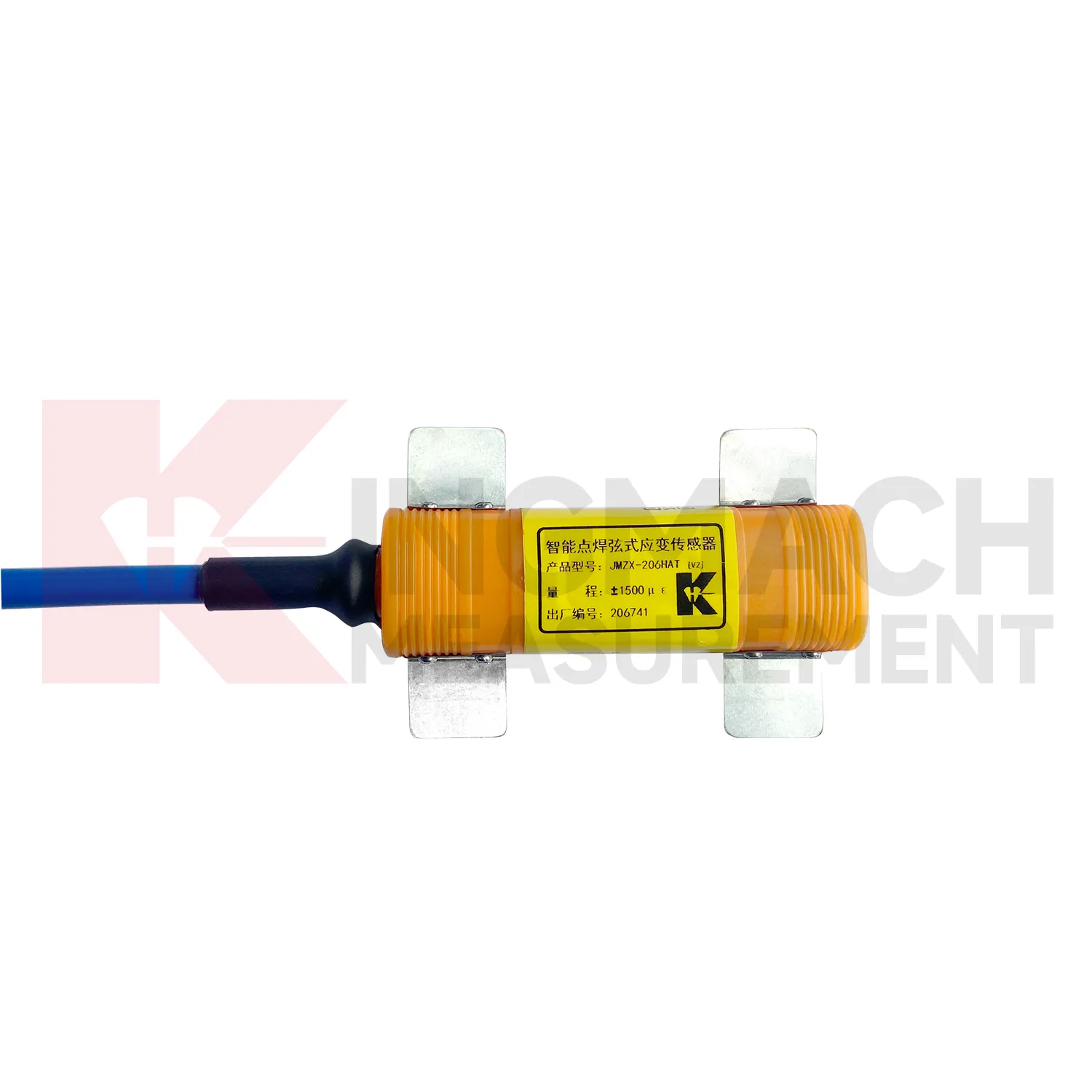
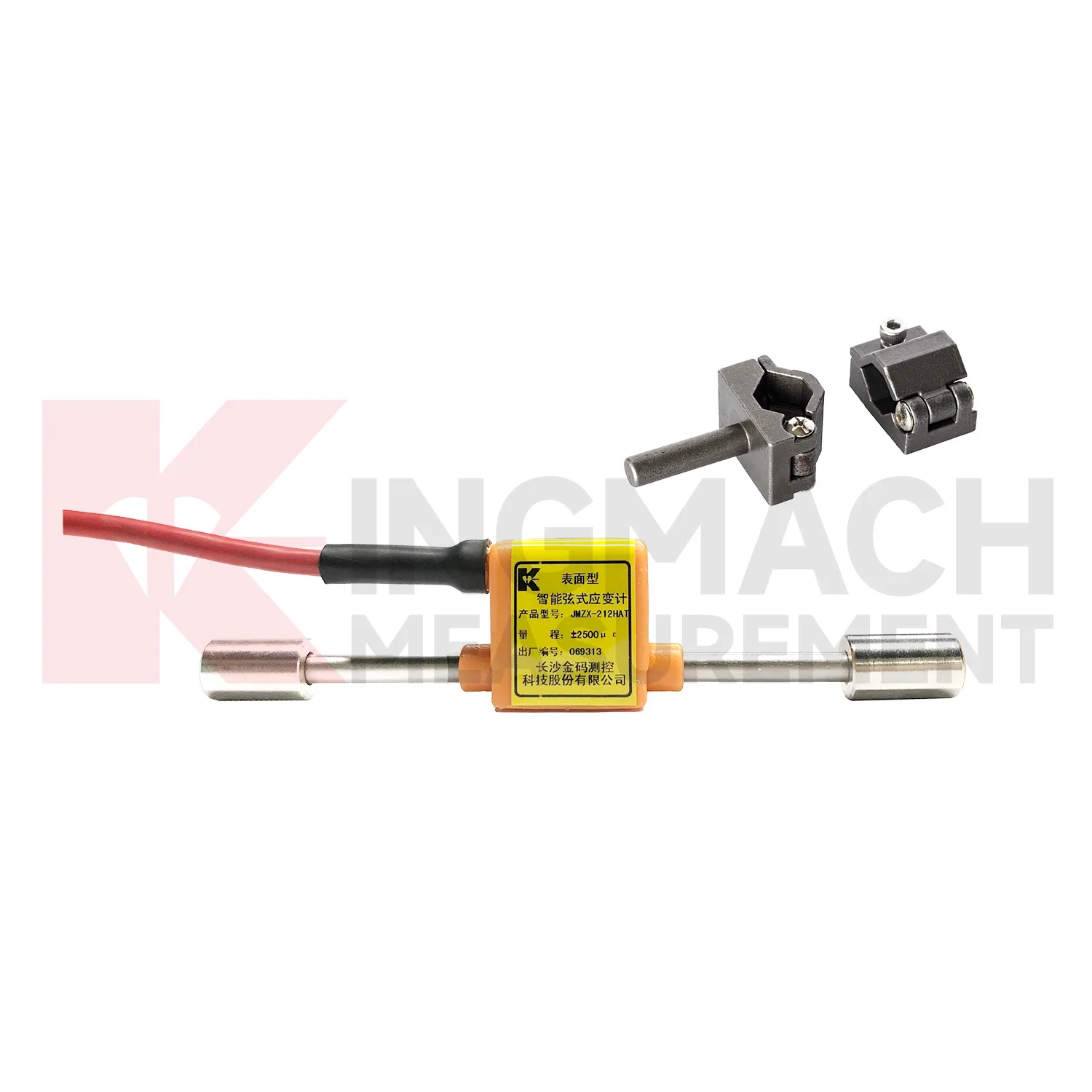
Kingmach {keyword} is designed for engineering strain monitoring where stable readings, field durability, and system compatibility matter. The JMZX-212HAT/HB surface model measures concrete or steel surface strain with a standard range of ±2500 microstrain, 0.5%F.S. strain accuracy, 0.1 microstrain resolution, and a 129 mm gauge length. Its vibrating wire structure uses welded anchoring and built in tension, which helps maintain reliable fixation without depending on shear resistance from the mounting base. The stainless steel fully sealed structure is rated for waterproof performance at depths up to 150 meters, making it suitable for wet or exposed field locations. When used with Kingmach comprehensive readout units or automated acquisition systems, readings can be displayed as physical values or frequency in Hz. The temperature version includes a built in temperature sensor, with a thermometer range from -40℃ to +120℃ and ±0.5℃ temperature measurement accuracy for strain correction. These details give procurement and engineering teams enough information to compare the product against site needs such as measuring range, waterproofing, temperature correction, installation method, and acquisition compatibility. They also keep the specification tied to tested product data instead of loose performance assumptions. A clear specification record reduces confusion when the same project uses surface, embedded, welded, and rebar based instruments together.
Application of strain gauge pressure sensor
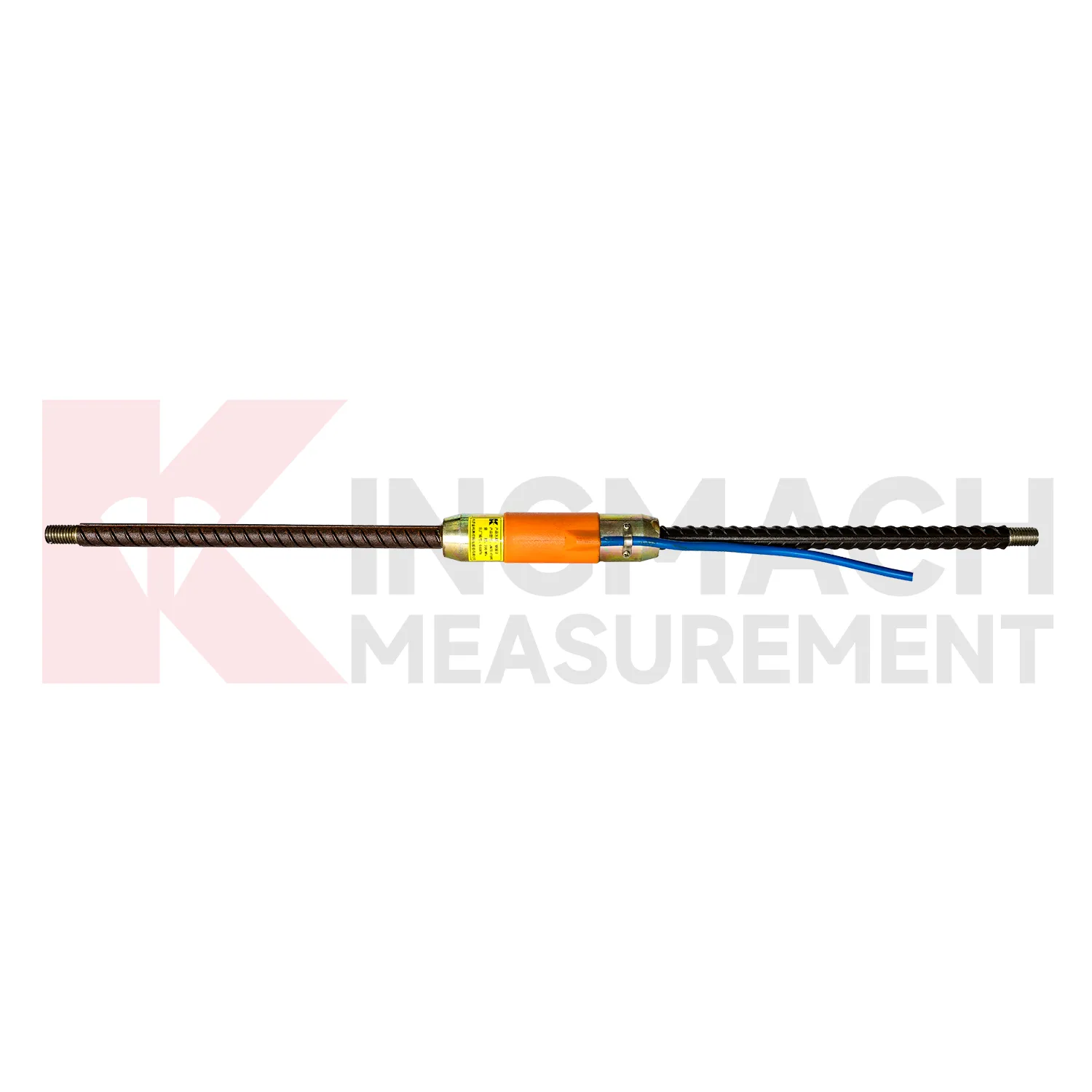
For slope, retaining wall, and foundation pit monitoring, {keyword} can be used on anchor rods, steel braces, retaining piles, reinforcement cages, or concrete support structures. These projects need early warning on stress redistribution, crack extension, support overload, and ground movement effects. Kingmach JMZX-4XXHAT/HB rebar strainmeters measure reinforcement stress across -200 MPa to 350 MPa with 0.1 MPa sensitivity and 0.5%F.S. accuracy, while the waterproof structure reaches 2 MPa. That makes the product suitable for buried or wet reinforced concrete members where ordinary surface checks are not enough. In deep excavation, strain data can be reviewed with displacement meters, tiltmeters, settlement sensors, and water level data. The combined record helps engineers decide whether support members are carrying load safely during each construction stage. Kingmach systems can pair the strain point with automated acquisition, which reduces manual reading work in locations that are dangerous, remote, or disruptive to access. That is often the difference between occasional checks and a useful monitoring record. When data is collected automatically, engineers can compare daily movement instead of relying on occasional manual readings. This gives the project team a better way to separate normal behavior from a change that needs inspection.
The future of strain gauge pressure sensor
The next generation of {keyword} will likely combine traditional vibrating wire stability with newer communication and analytics tools. MEMS devices, fiber optic sensing, LoRa transmission, 5G gateways, and edge computing will not replace every vibrating wire strain gauge, especially in long term civil monitoring, but they will change how data is collected and reviewed. Kingmach's position is strongest where sensors, acquisition hardware, and platform software work together. A surface gauge with 0.1 microstrain resolution, an embedded gauge with 150 meter waterproof durability, or a welded model with digital record storage can feed the same monitoring workflow. The trend is not vague intelligence. It is better sensor identity, fewer manual readings, faster comparison, and more reliable maintenance decisions. Kingmach's strain gauge range already gives a base for that shift because it includes waterproof vibrating wire models, temperature versions, digital detection, automated acquisition support, and platform connectivity. The strongest gains will come from cleaner records and faster fault checks.
Care & Maintenance of strain gauge pressure sensor
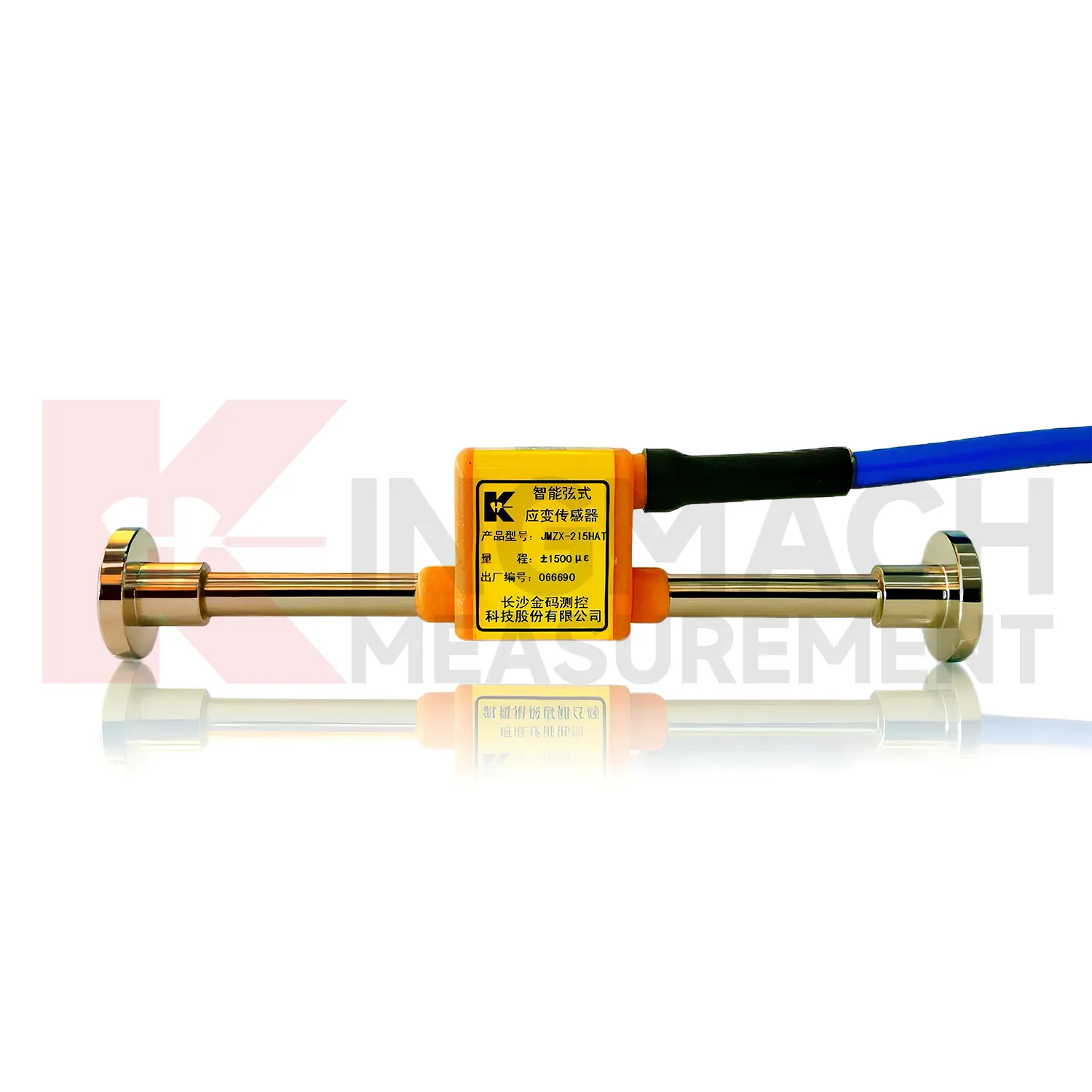
For embedded {keyword}, maintenance focuses on the accessible parts because the sensor itself cannot be reached after concrete pouring. Before pouring, secure the JMZX-215HA/215HAT/HB gauge to rebar or a bracket, protect the cable from pulling, and document its position. After pouring, protect the cable exit, junction box, and acquisition channel. The embedded model has a ±1500 microstrain range, 146 mm gauge length, and 0.1 microstrain resolution, so small changes can be meaningful if the record is clean. During service, check for channel noise, water entry, cable compression, and label loss. If data looks abnormal, inspect the external route first, then compare strain with temperature, settlement, and nearby embedded channels. The goal is to protect the measurement chain from sensor body to platform, because a damaged cable or mislabeled channel can make an accurate gauge look unreliable. Review the channel after major site work. Replace damaged protection before water reaches the connection.
Kingmach strain gauge pressure sensor
{keyword} gives asset owners a way to compare present strain behavior with earlier records. That comparison is important on structures that move slowly, such as dams, slopes, long span bridges, railway stations, and underground works. A single reading can raise a question, but a trend can show whether the structure is settling into normal behavior or moving away from it. Kingmach's automated monitoring products and Engineering Pulse platform are built around this need for traceable data. With the right installation and channel management, strain readings can support inspection schedules, reinforcement decisions, construction control, and long term maintenance planning. The result is a product description that feels connected to real bridge, tunnel, dam, and building work rather than a detached sensor definition. That field record supports later inspection. It also gives engineers a cleaner baseline for later comparison. The same data can guide inspection notes and repair timing. Site records matter.
FAQ
Q: How do I select {keyword} for concrete structures?
A: Use embedded gauges for internal concrete strain, surface gauges for exposed concrete, and rebar strainmeters when reinforcement stress is the main concern.
Q: Which model fits steel structures?
A: JMZX-206HAT is designed for surface welded installation on steel members and covers -1500 to +2500 microstrain.
Q: Can it measure temperature too?
A: Temperature versions can measure the monitoring point temperature, with a thermometer range from -40℃ to +120℃ and ±0.5℃ accuracy on listed models.
Q: What should be checked before installation?
A: Confirm surface preparation, model type, cable route, channel name, acquisition setting, waterproof protection, and calibration data.
Q: Can it connect to automatic data collection?
A: Yes. Kingmach gauges can be paired with comprehensive readouts and automated acquisition systems for unattended measurement.
Reviews
Michael Anderson
The strain gauges and load cells are extremely accurate and stable. They performed very well in our bridge monitoring project. Highly recommended!
Daniel Brown
Excellent environmental monitoring sensors. The data is consistent, and the system integrates smoothly with our existing setup.
Latest Inquiries
To protect the privacy of our buyers, only public service email domains like Gmail, Yahoo, and MSN will be displayed. Additionally, only a limited portion of the inquiry content will be shown.
Isabella***@gmail.comGermany
Hello, we are evaluating weir flow meters for a water management project. Please share accuracy deta...
Emma***@gmail.comCanada
Dear Sir/Madam, we are interested in displacement transducers and settlement sensors for a geotechni...
Related product categories
- strain sensors manufacturers
- surface strain sensor market
- wholesale strain gauge weight sensor
- strain gauge calibration
- strain gauge measurement
- strain gauge for weight measurement
- strain gauge pressure sensors
- strain gauge application
- strain gauge sensor application
- strain gauge sensor types
- strain gauge vibration sensor
- strain gauge weight sensor