
 EN
EN
 ar
ar bg
bg hr
hr cs
cs da
da nl
nl fi
fi fr
fr de
de el
el hi
hi it
it ko
ko no
no pl
pl pt
pt ro
ro ru
ru es
es sv
sv tl
tl iw
iw id
id lv
lv lt
lt sr
sr sk
sk sl
sl uk
uk vi
vi et
et hu
hu th
th tr
tr fa
fa ms
ms hy
hy ka
ka ur
ur bn
bn mn
mn ta
ta kk
kk uz
uz ku
ku
water temperature data loggers
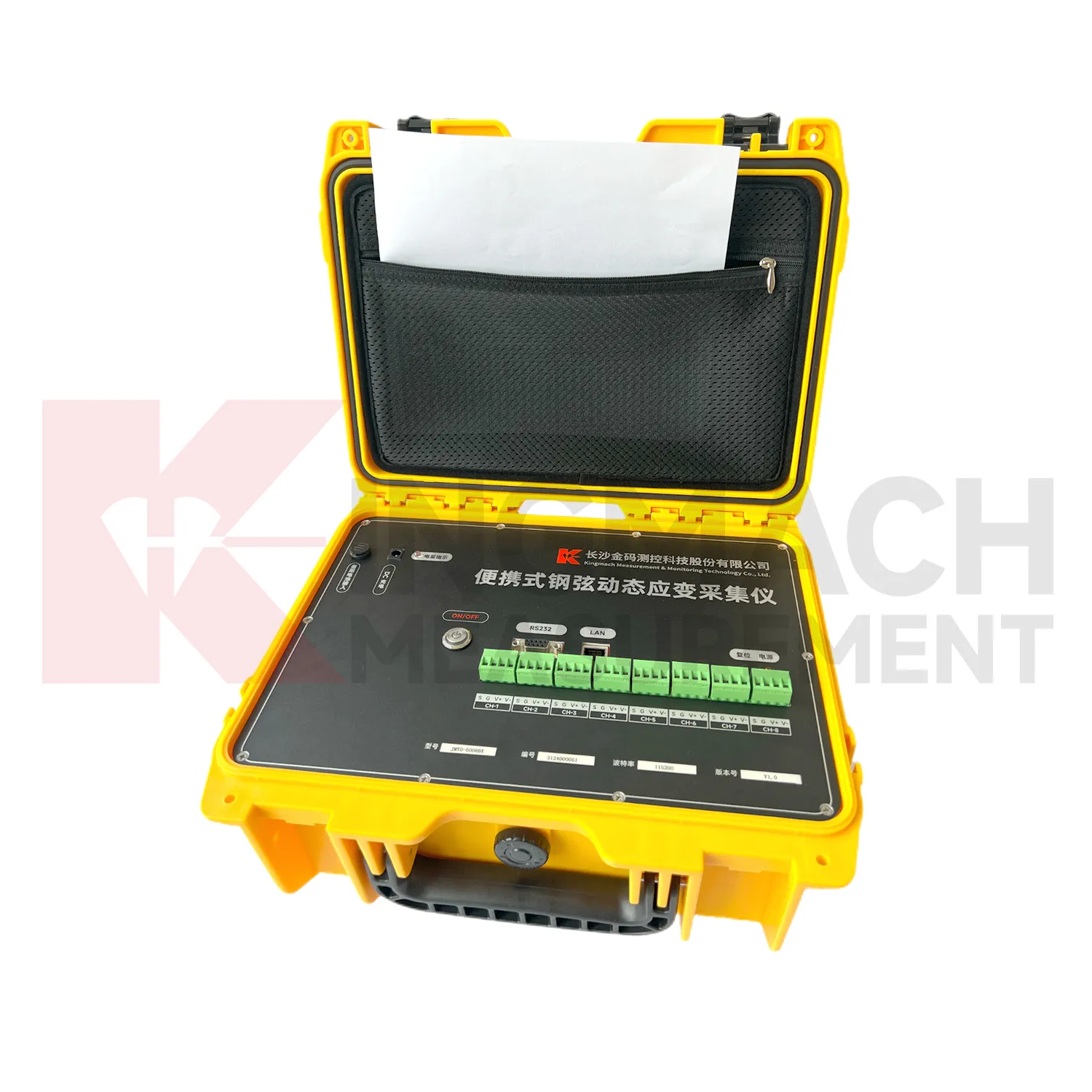
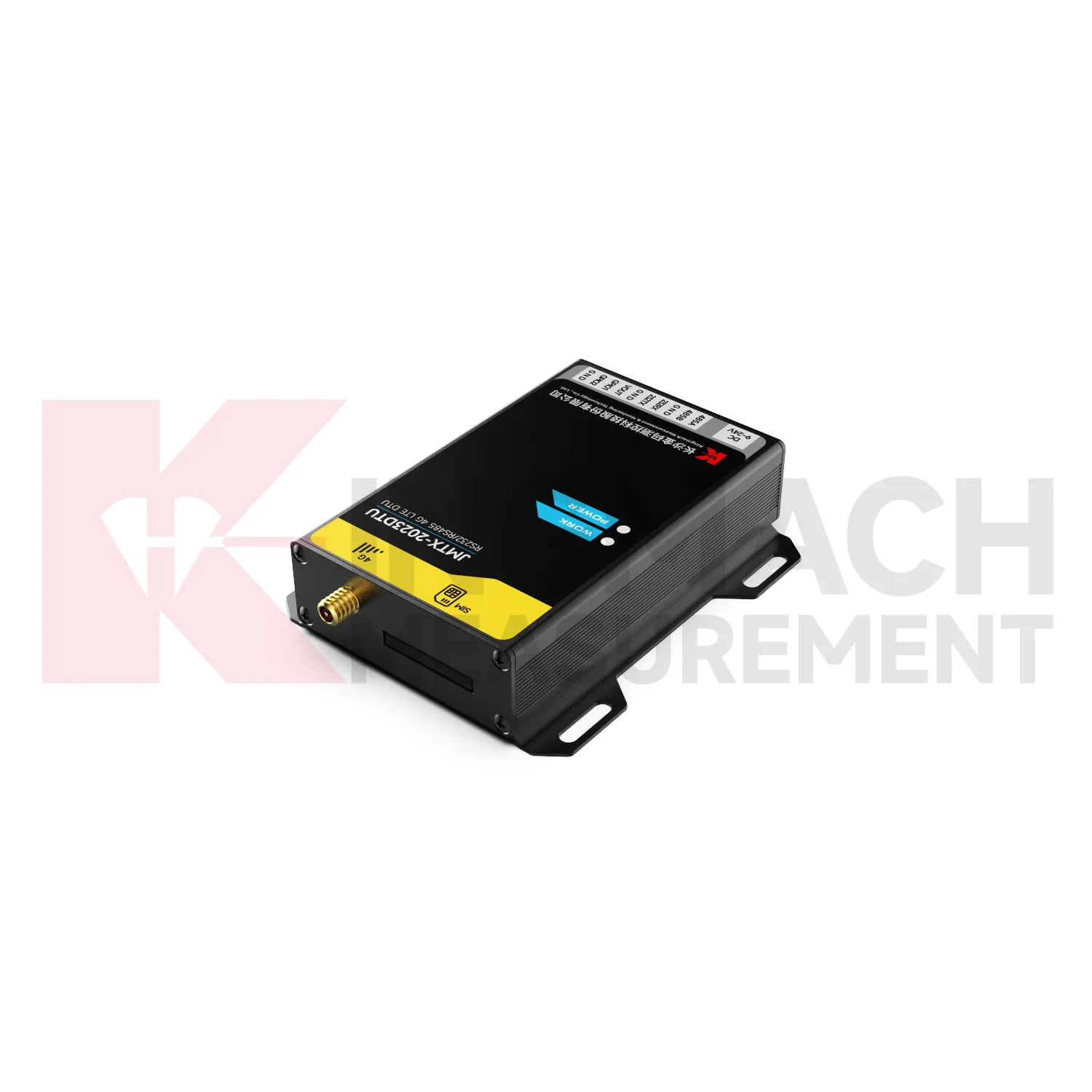
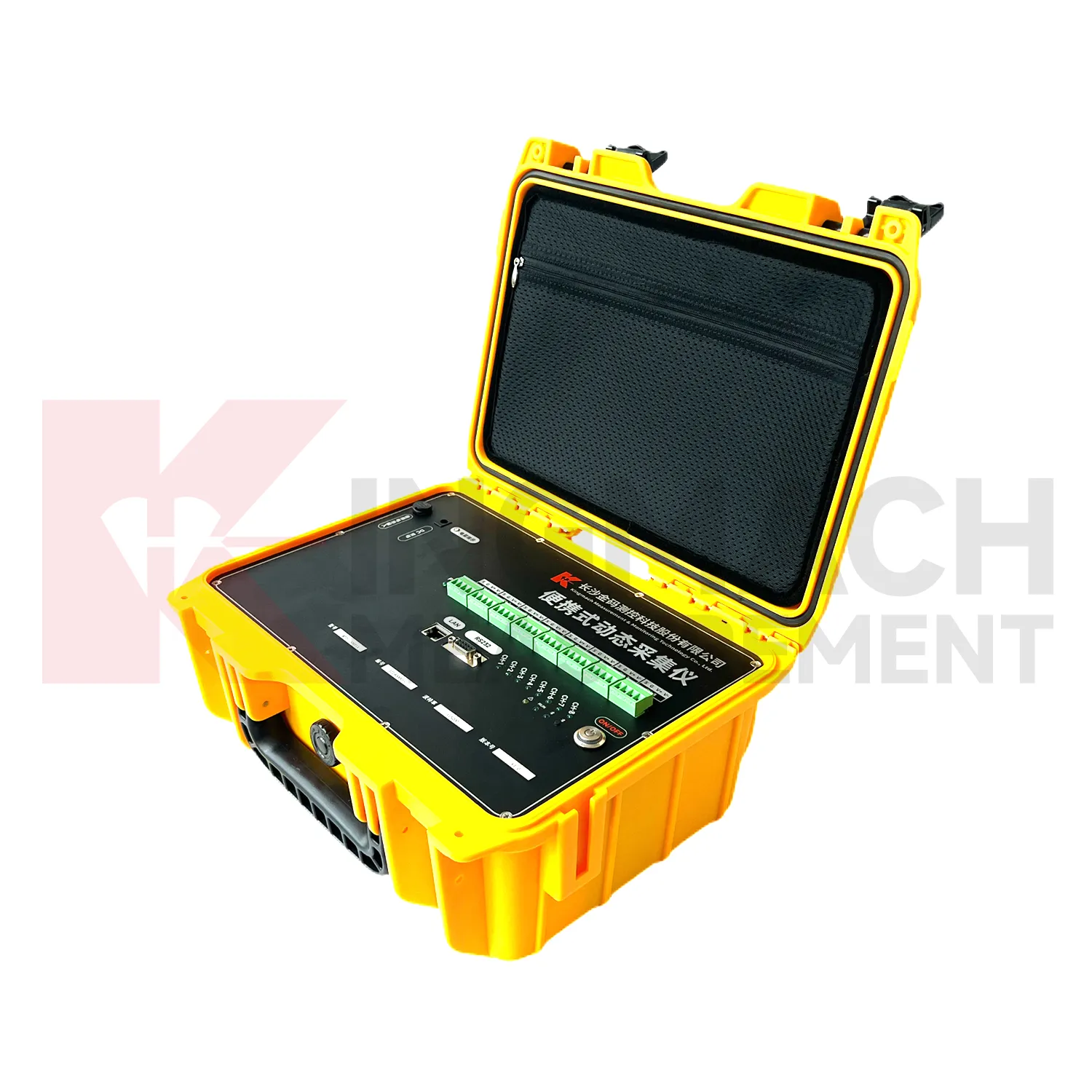
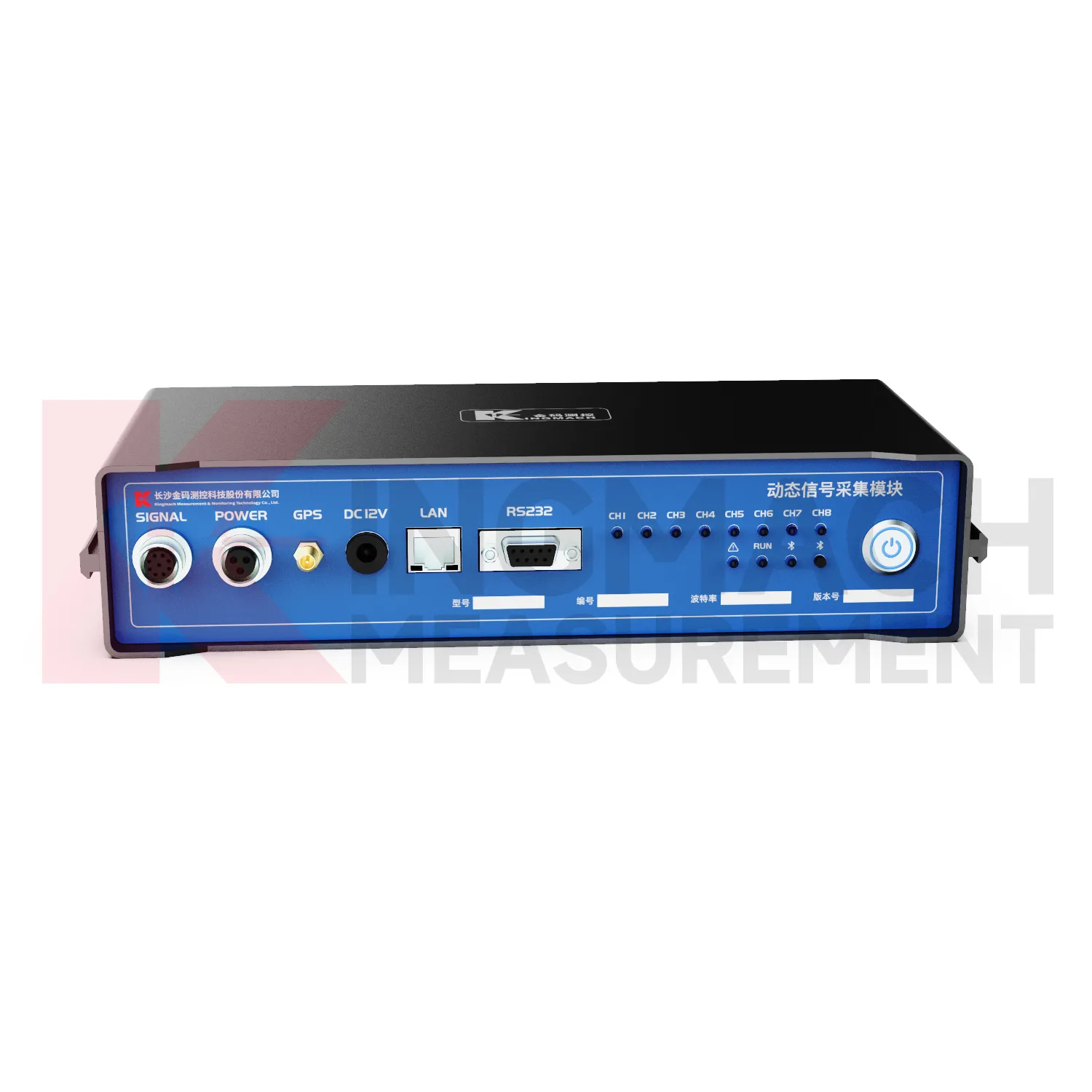
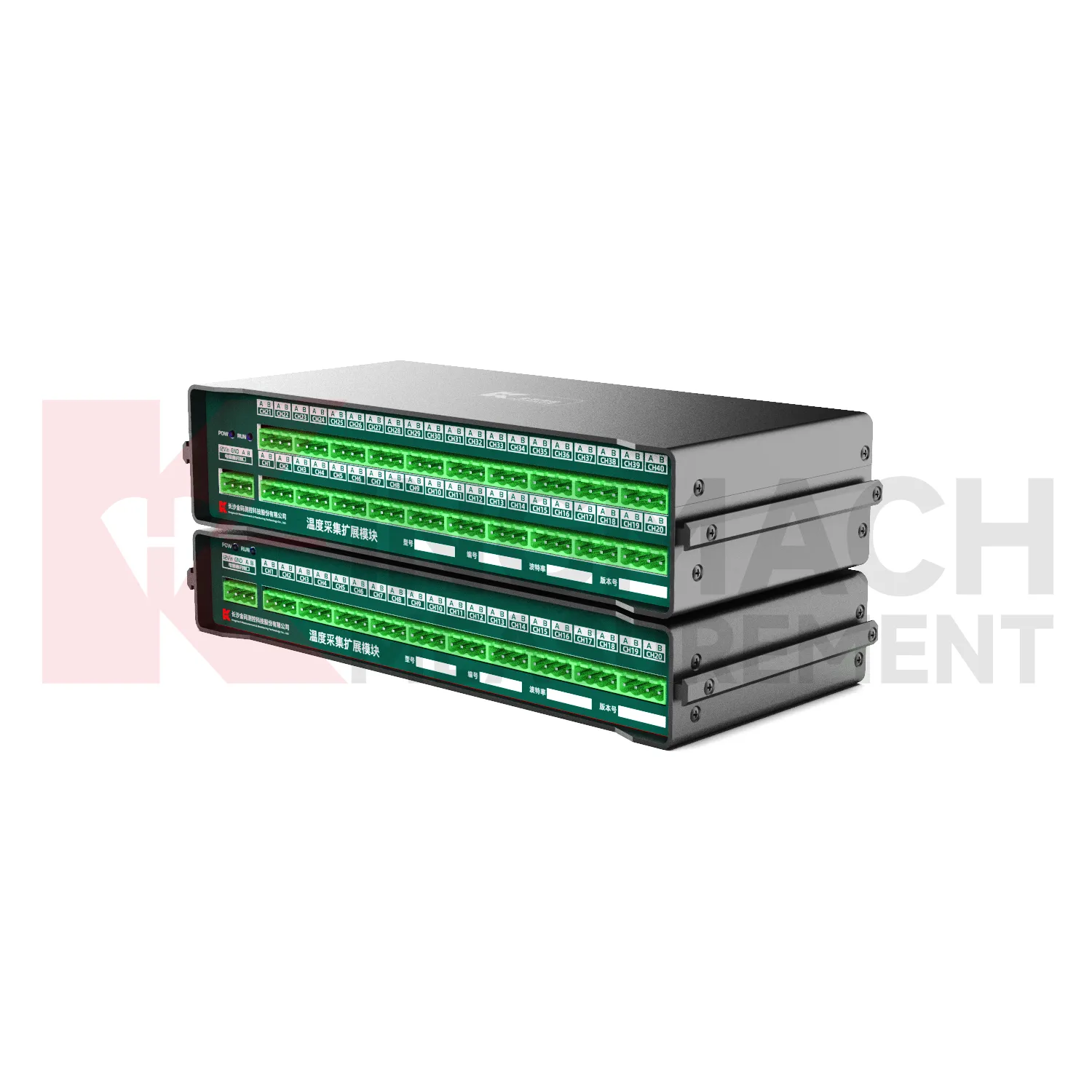
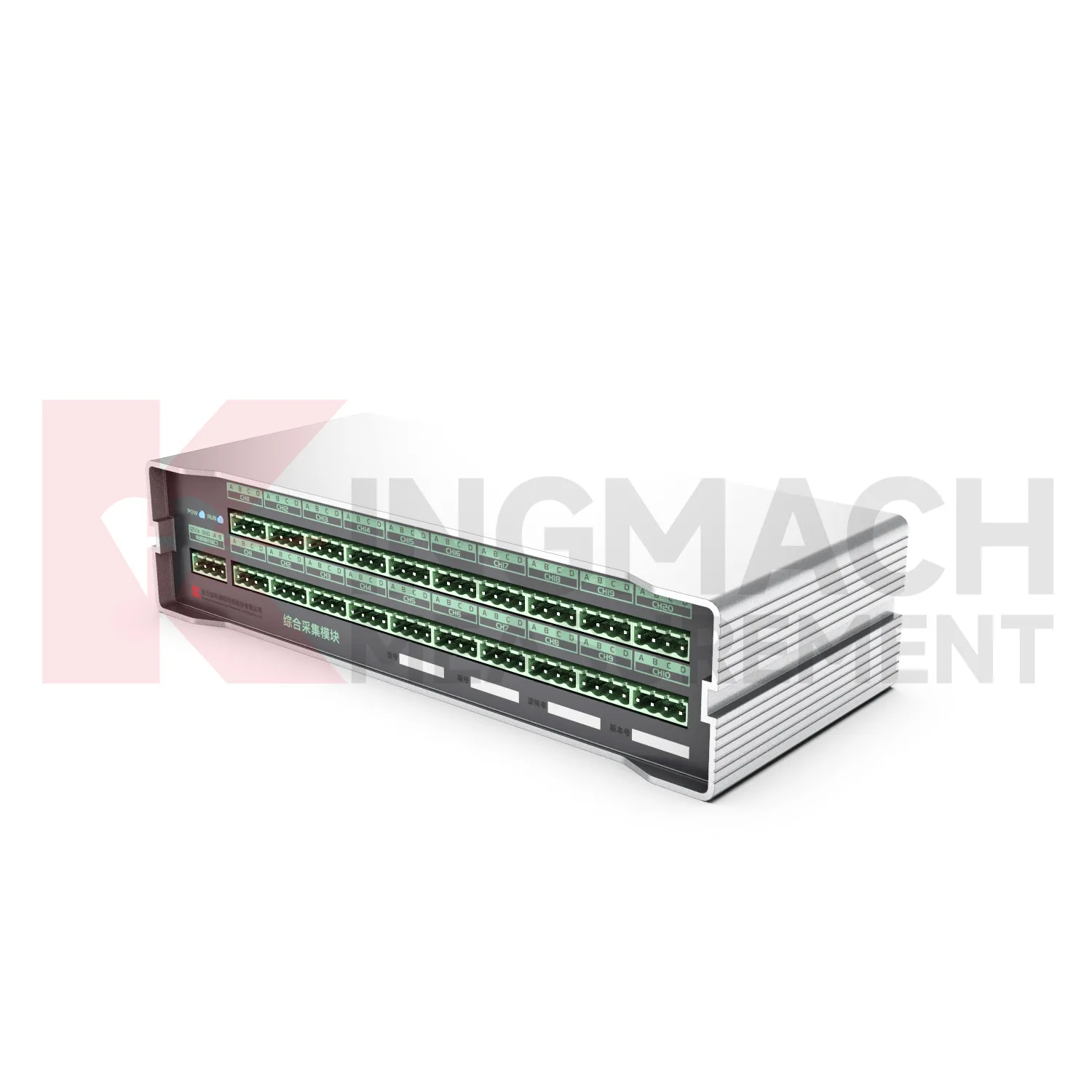
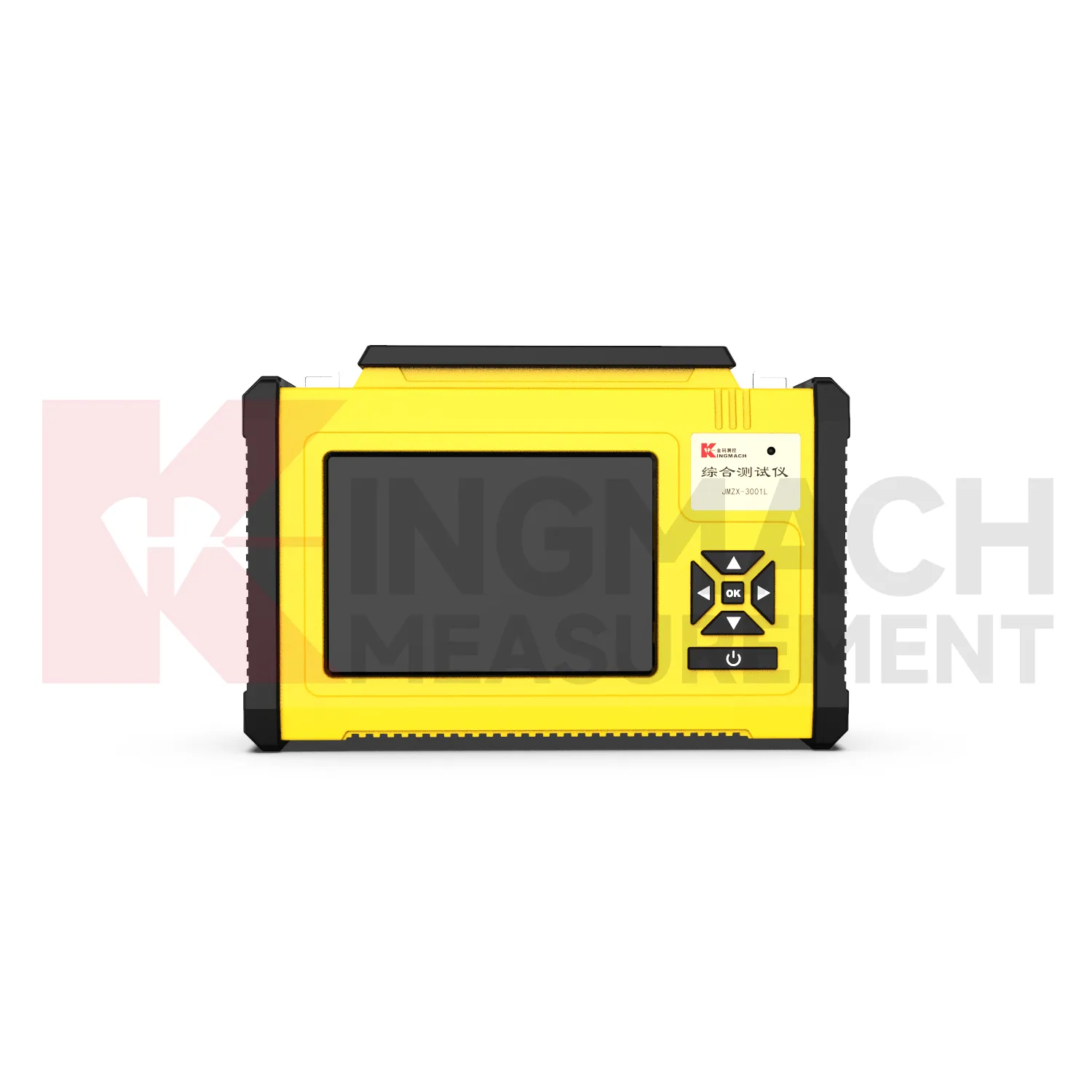
Kingmach water temperature data loggers bring together measurement, storage, and communication functions for field monitoring. The category includes low-power wireless acquisition for remote digital sensors, synchronized dynamic strain logging, and portable readouts for on-site checks. Each device type serves a different part of the monitoring workflow. Low-power loggers reduce manual visits at remote stations. Dynamic loggers capture event behavior with synchronized channels. Portable readouts help field staff confirm sensor condition before the site is closed or the inspection route moves on. Buyers should connect these capabilities with project realities such as access restrictions, weather exposure, power availability, communication reliability, and the expected review frequency. A slope station with limited access, a tunnel with night work, and a bridge deck with traffic restrictions place different demands on the same acquisition category. The device should fit the way people actually reach the point, protect cables, power the station, and move data into review. This practical view helps teams select a readout or logger that supports field use, not only laboratory capability. In remote work, the maintenance route, enclosure position, antenna condition, and expected upload schedule can be just as important as the measurement circuit. In short-term testing, the device must also be easy to move, check, and export before the crew leaves the site.
Application of water temperature data loggers
Industrial testing and equipment monitoring use Kingmach water temperature data loggers when strain, vibration, displacement, temperature, or pressure-related signals need organized acquisition. Portable readouts are useful for temporary tests, commissioning checks, and maintenance diagnosis. Dynamic acquisition devices can capture short events from machinery start-up, impact, load transfer, or process changes. Data loggers can support longer records when equipment behavior must be observed across shifts or operating cycles. The device should fit the signal type and review purpose. A plant maintenance team may need quick confirmation, while an engineering team may need exported data for analysis. Clear channel names and event notes help both groups work from the same record. Industrial records often need to be linked with operating state. A waveform during start-up, a temperature change during production, or a strain response after adjustment should be stored with the equipment condition. This helps maintenance staff compare repeated tests and gives engineers a cleaner basis for diagnosing load transfer, vibration source, or process influence. Stable export files also make external analysis easier. For temporary tests, the readout or logger should also make it easy to repeat the same measurement route after repair, adjustment, or operating change. That repeatability helps maintenance teams compare before-and-after behavior.
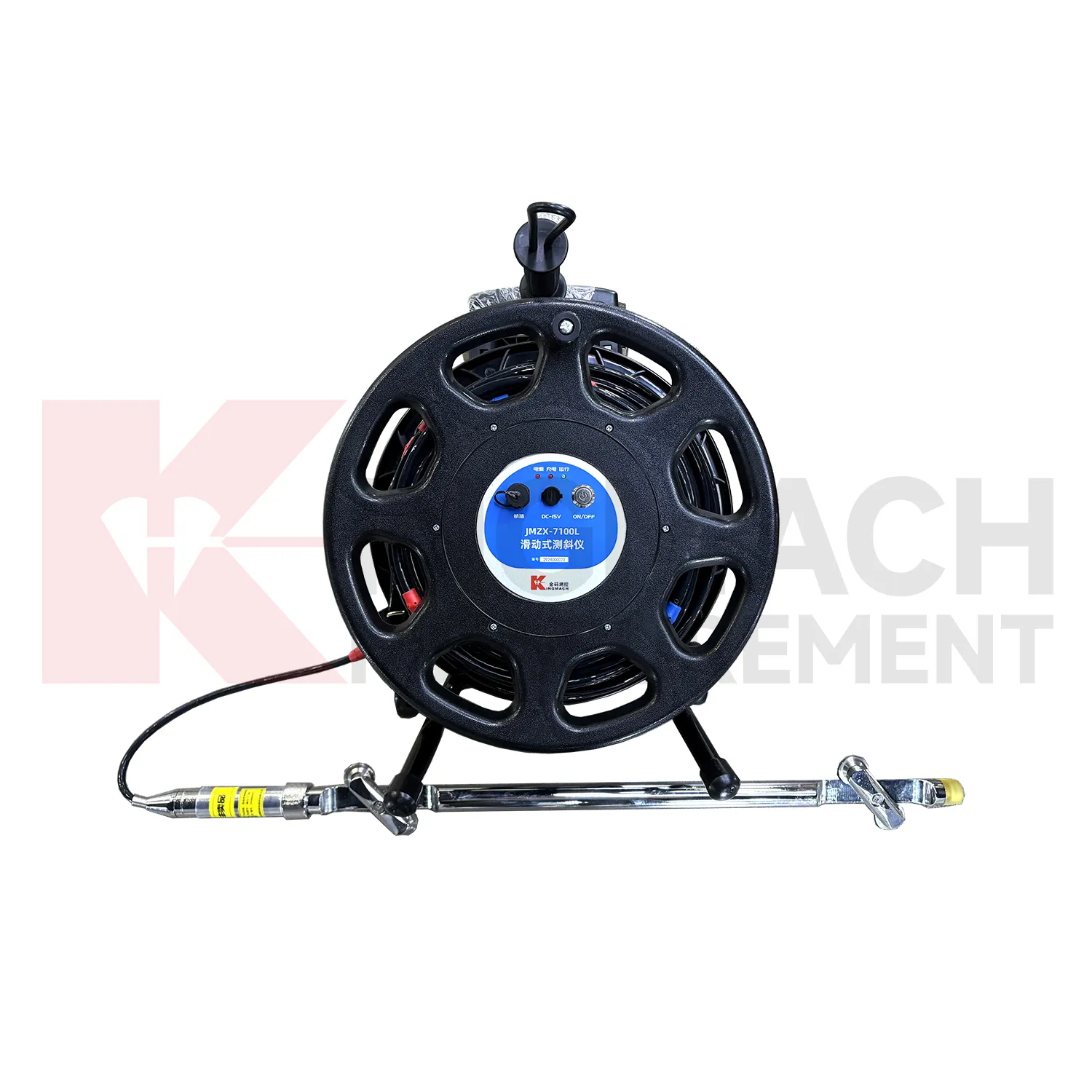
The future of water temperature data loggers
Future Kingmach water temperature data loggers will make remote monitoring more practical for unattended structural and geotechnical stations. Low-power acquisition, scheduled measurement, wireless upload, and remote maintenance can reduce repeated site visits. The value is not only convenience; it is continuity during weather events, night work, and restricted access periods. A remote station should show whether it is collecting, uploading, storing, and operating within expected power conditions. When this information is available, engineers can trust the data stream more confidently and plan field visits around actual station needs. Future remote stations can also make maintenance routes more efficient. If a slope logger reports weak battery but stable sensor values, the crew can prepare power service. If a bridge station uploads late after rain, the team can check enclosure and signal condition first. This kind of device context helps field work become more targeted. while protecting data continuity. across remote sites. over time. safely.
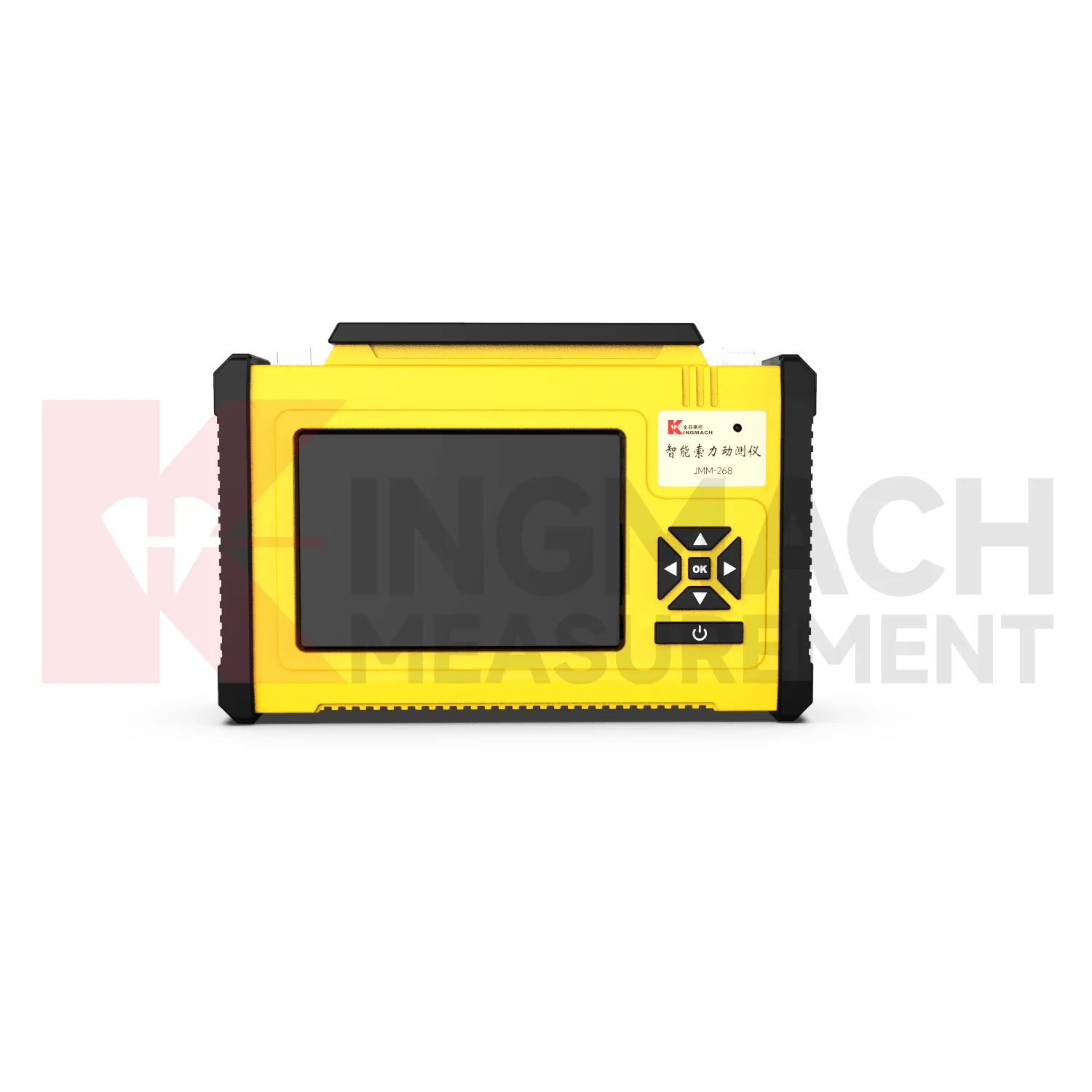
Care & Maintenance of water temperature data loggers
Firmware, settings, and communication checks help Kingmach water temperature data loggers remain dependable. Remote upgrade, communication mode, sampling interval, baud rate, platform channel, and storage behavior should be documented when changed. A setting change can alter the meaning of the record if it is not visible to reviewers. Before changing intervals or upload rules, the team should confirm why the change is needed and which channels are affected. After the change, a short verification reading should be saved. This makes the acquisition history easier to audit. Settings maintenance should include a before-and-after note. If a station changes from frequent readings to slower routine acquisition, the report should show that timing change. If communication is moved from local export to wireless upload, the platform channel should be checked against the field label. These notes protect interpretation after updates. and reduce avoidable disputes. during audits and handover. over time. for teams. clearly and safely. consistently.
Kingmach water temperature data loggers
Kingmach water temperature data loggers support projects when monitoring duties shift between installation teams, testing teams, owners, and maintenance contractors. Early readings may come from a handheld instrument during sensor acceptance, while later readings may be gathered by a fixed cabinet, a wireless station, or a portable unit brought back for verification. The important requirement is continuity: every channel should keep a recognizable identity, every reading should carry enough field context to be interpreted, and every operating change should be traceable. A good handover package explains sensor grouping, channel labels, collection rhythm, communication route, power arrangement, and review responsibility in language that a new technician can follow. This prevents routine monitoring from depending on one person?s memory. When a bridge, tunnel, dam, slope, building, railway section, or industrial test rig remains under observation for months, the acquisition system must make daily work orderly: connect, confirm, collect, review, report, and keep the history usable for engineering judgement.
FAQ
Q: What are Readouts & Data Loggers used for?
A: They collect, display, store, and transfer sensor readings so engineering teams can review monitoring data from structural, geotechnical, and industrial projects.
Q: How are readouts different from data loggers?
A: Readouts are often used for field checking and portable measurement, while data loggers support automatic acquisition, scheduled records, and longer monitoring periods.
Q: Which sensors can be connected?
A: The category can support vibrating wire sensors, digital RS485 sensors, temperature points, dynamic signals, strain instruments, displacement sensors, tilt sensors, and other monitoring devices depending on the model.
Q: Why is channel naming important?
A: Clear channel names connect each reading with the correct sensor, location, structure, and review purpose, which prevents confusion during reporting and handover.
Q: What should be checked before purchase?
A: Buyers should define sensor type, channel count, acquisition interval, power supply, communication method, storage needs, site access, and reporting workflow.
Reviews
Ryan Lewis
Fast delivery and excellent product quality. The accelerometers and tiltmeters are highly reliable. Strongly recommend this company.
James Thompson
The tiltmeters and accelerometers are very sensitive and provide precise data. Perfect for our structural health monitoring system.
Latest Inquiries
To protect the privacy of our buyers, only public service email domains like Gmail, Yahoo, and MSN will be displayed. Additionally, only a limited portion of the inquiry content will be shown.
Amelia***@gmail.comSingapore
Hello, I am looking for visualization software for monitoring system data analysis. Please let me kn...
Emma***@gmail.comCanada
Dear Sir/Madam, we are interested in displacement transducers and settlement sensors for a geotechni...
Related product categories
- temp data logger wireless
- wireless temperature and humidity data logger
- temperature humidity data logger wireless
- wireless data logger temperature and humidity
- wireless data logger temperature
- data logger wireless
- humidity data logger wireless
- wireless analog data logger
- wireless temperature sensor data logger
- wireless thermocouple data logger
- pressure data logger wireless
- wireless data logger temperature humidity