
 EN
 ar
 bg
 hr
 cs
 da
 nl
 fi
 fr
 de
 el
 hi
 it
 ko
 no
 pl
 pt
 ro
 ru
 es
 sv
 tl
 iw
 id
 lv
 lt
 sr
 sk
 sl
 uk
 vi
 et
 hu
 th
 tr
 fa
 ms
 hy
 ka
 ur
 bn
 mn
 ta
 kk
 uz
 ku

Smart Formwork Displacement / Steel Wire Displacement Meter
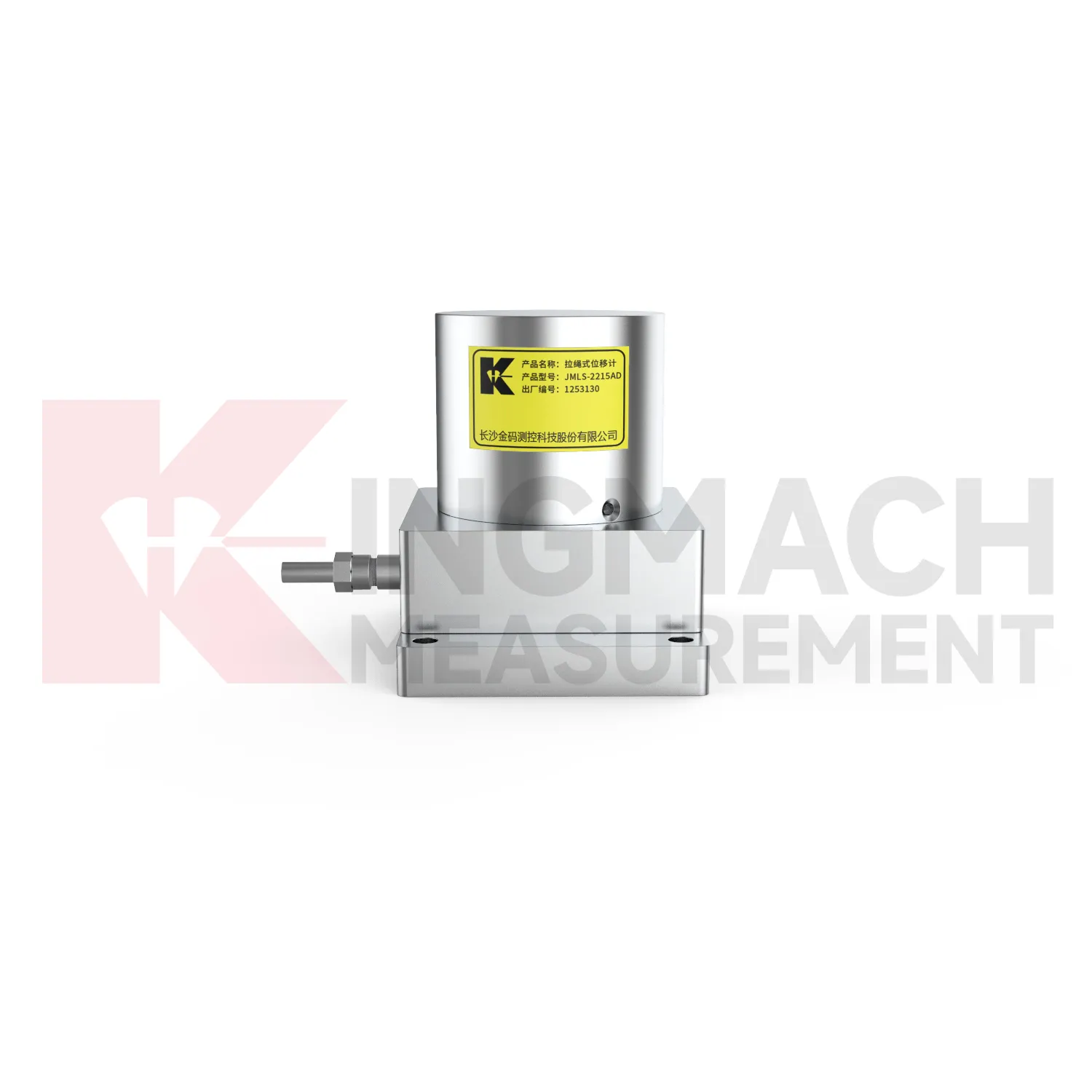
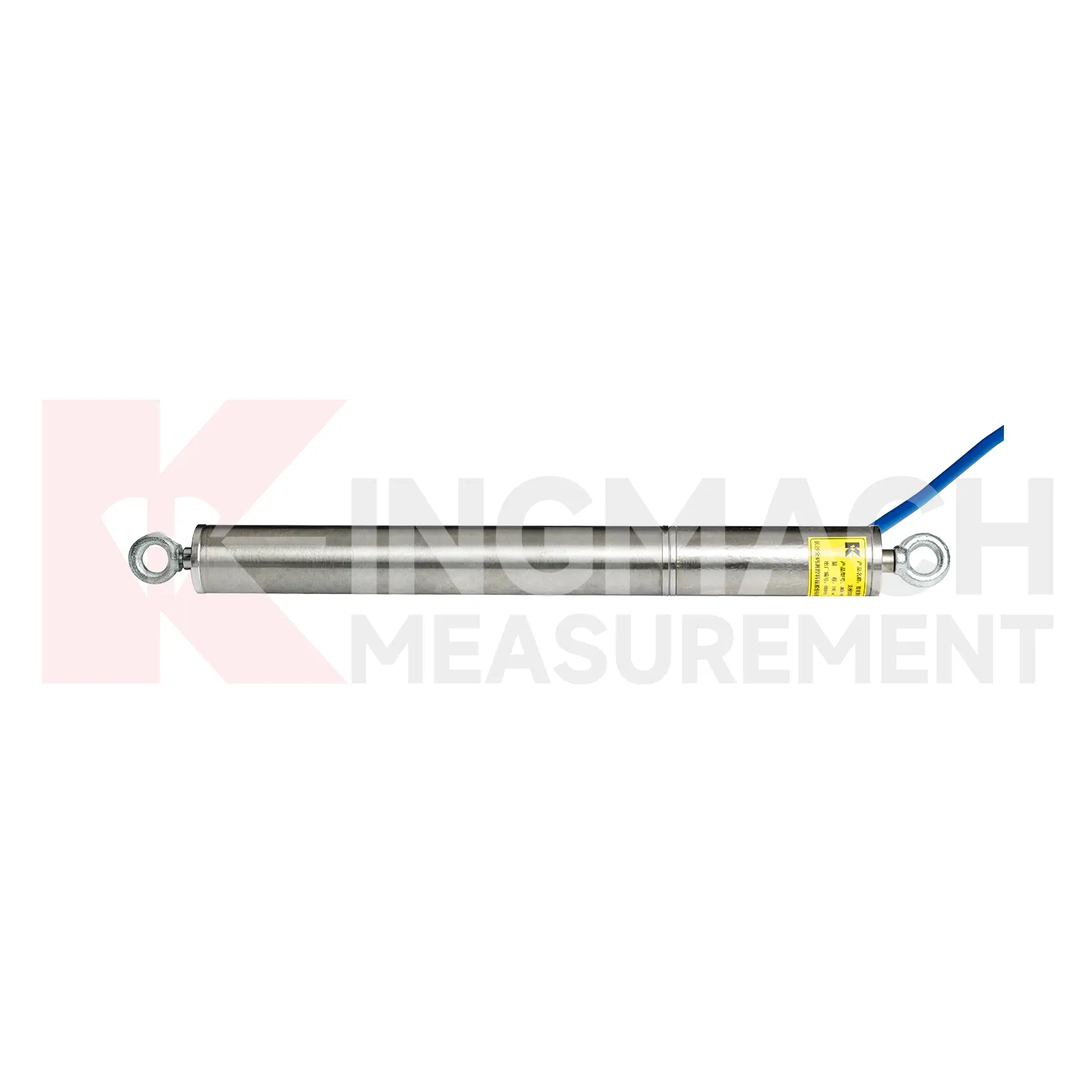
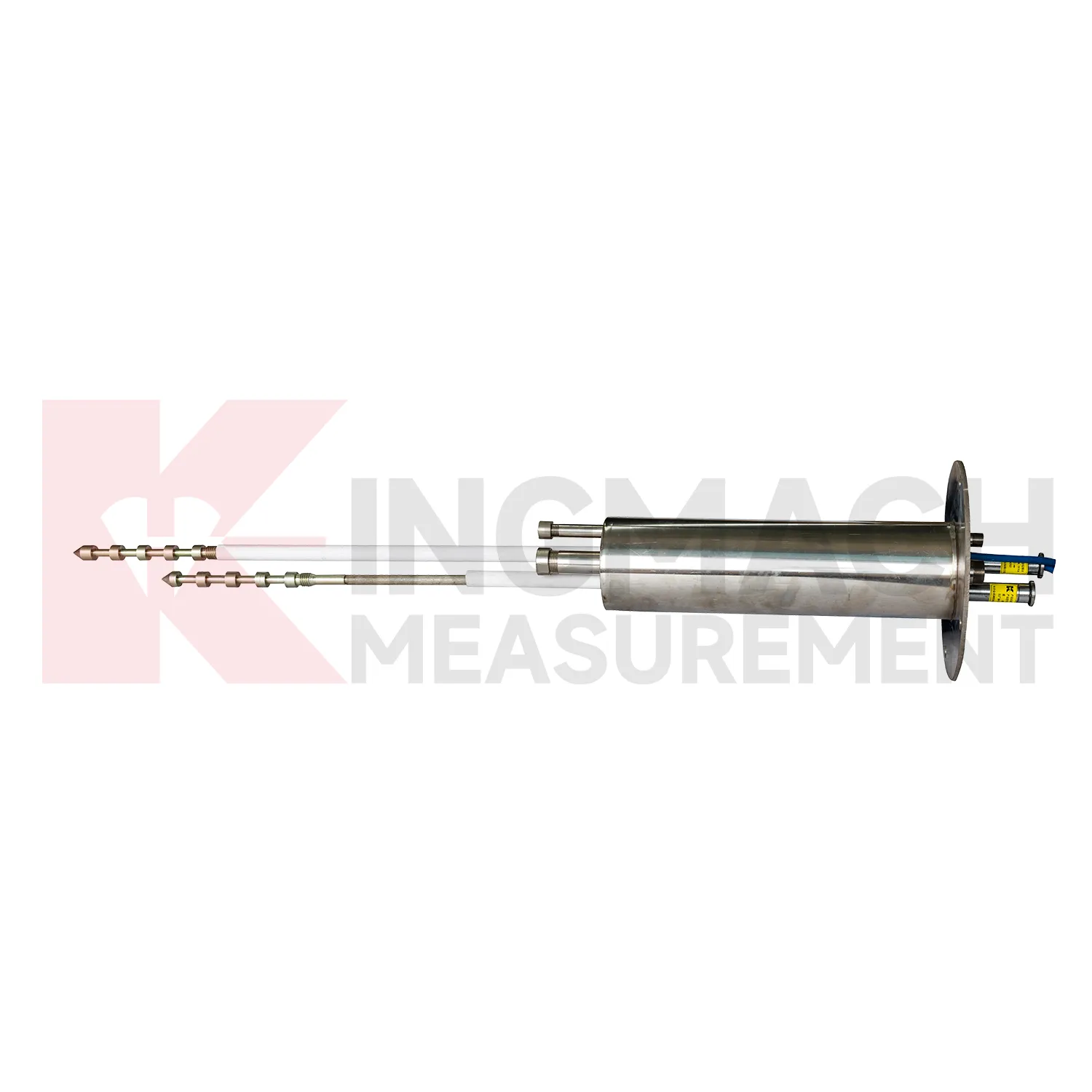
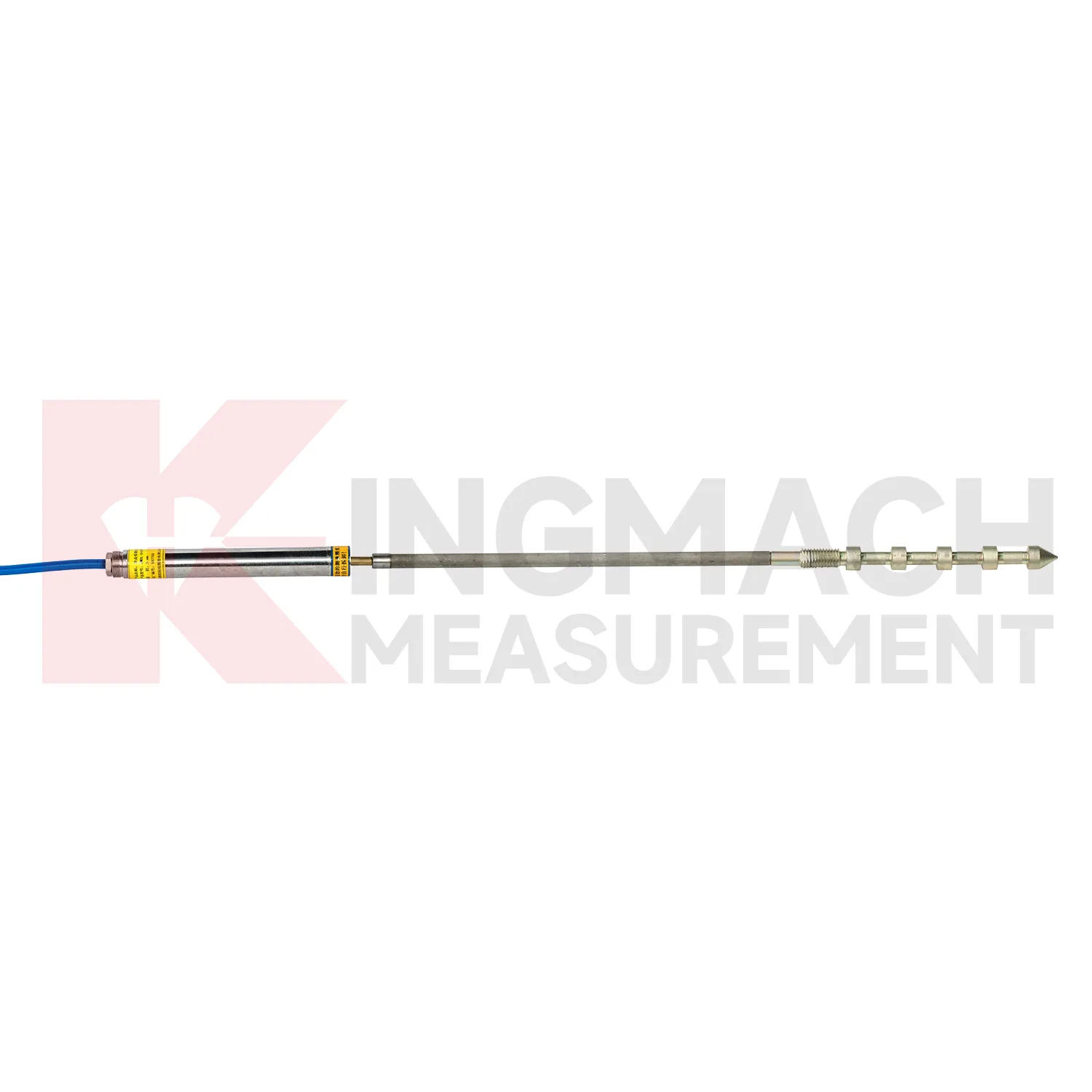
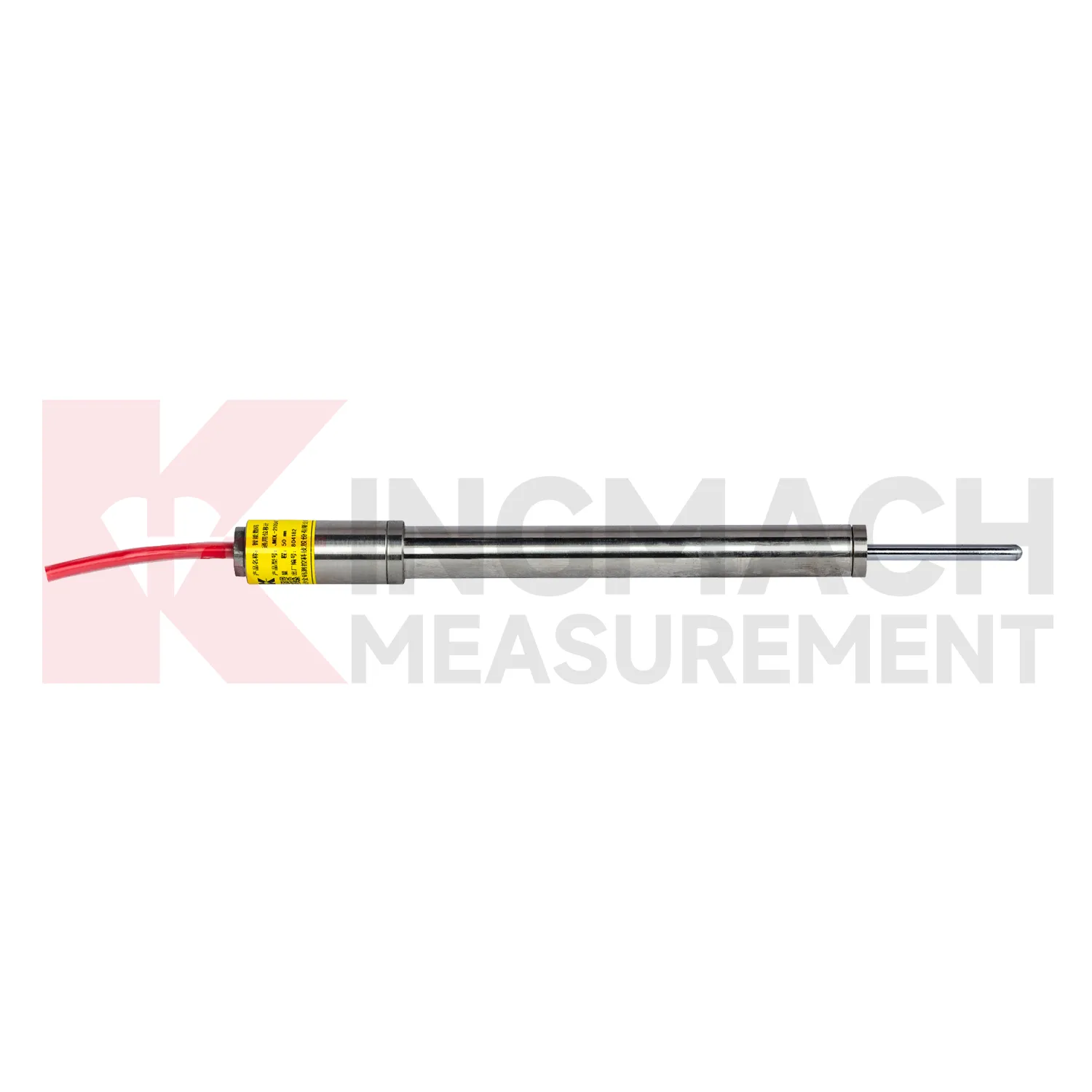
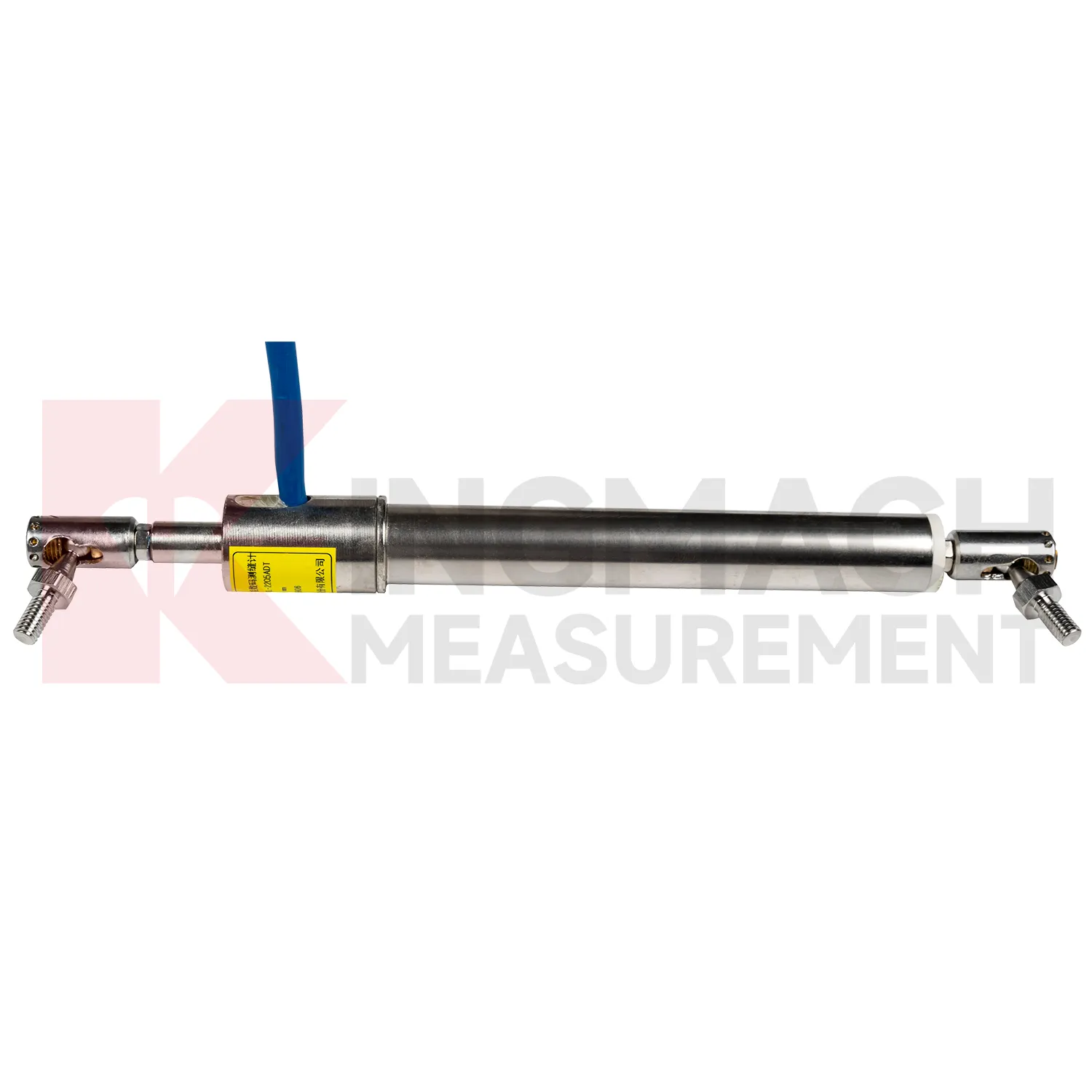
Kingmach Smart Formwork Displacement / Steel Wire Displacement Meter include the JMDL-49XXAT Smart Formwork Displacement Meter, also described as a steel wire displacement meter for high-formwork support, horizontal movement of formwork steel pipes, slope sliding, bridge abutments, tunnel portals, dams, and railway subgrades. Listed ranges include 50 mm, 100 mm, and 200 mm, with 0.01 mm sensitivity and 0.5%FS accuracy. The product uses patented inductive magnetic flux modulation technology, non-contact measurement, 20-point calibration curve correction, a built-in memory chip, and digital detection. It stores model, serial number, calibration coefficients, time, temperature, displacement values, and other records, with up to 600 stored data sets. The construction-grade details are important: product information lists IP68 protection, a 30-year service life, and a temperature range from -40 degrees Celsius to +100 degrees Celsius with plus or minus 0.5 degrees Celsius temperature accuracy. These features make it suitable for wet, dusty, and high-load construction environments. During project setup, the measuring point should be matched with the expected travel direction, available mounting space, cable route, and required acquisition interval. This prevents a short-range joint instrument from being used on a long-travel point, or an exposed sensor from being placed where an embedded anchor is needed. It also helps the monitoring team set a baseline that can be defended during acceptance and later maintenance review.
Application of Smart Formwork Displacement / Steel Wire Displacement Meter
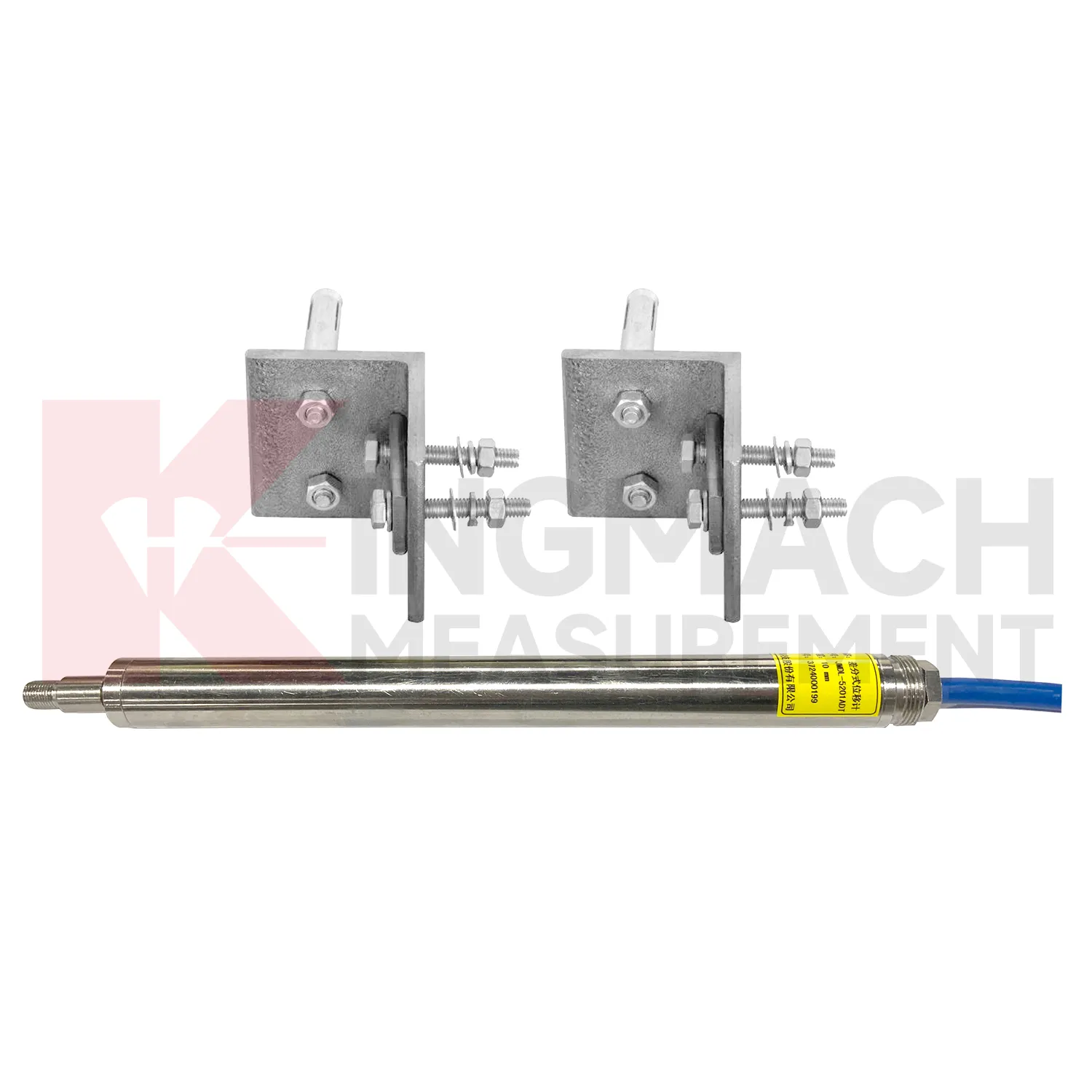
In integrated structural health monitoring, Smart Formwork Displacement / Steel Wire Displacement Meter act as the movement layer inside a wider measurement network. Their role is to show where a point has shifted, how fast the shift is developing, and whether the change agrees with other instruments. Kingmach displacement products can feed digital records into acquisition units and monitoring platforms, while related Kingmach product groups provide strain, load, settlement, tilt, vibration, pore pressure, water level, rainfall, data logging, cables, and software. A practical system may use JMDL-52XXADT meters for precise joint travel, JMDL-31XXAT meters for rock layers, JMDL-24XXAT meters for buried geogrid deformation, and JMLS-22XXADT sensors for longer cable travel. The data chain should define point names, units, zero values, sampling intervals, warning grades, and inspection actions before alarms are enabled. This prevents a displacement curve from becoming an isolated chart. Instead, the reading can be checked beside force, strain, settlement, temperature, rainfall, and construction records, giving engineers a clearer basis for maintenance and warning review. During commissioning, each curve should be verified against the physical point so later reports can be trusted by site teams, designers, and owners. The same record should also note cabinet number, logger channel, cable tag, power supply, and communication route, because many long-term data problems begin outside the sensor body.
The future of Smart Formwork Displacement / Steel Wire Displacement Meter
The future of Smart Formwork Displacement / Steel Wire Displacement Meter in infrastructure will depend on better integration with digital twins and asset management records. A displacement reading becomes more useful when it is tied to a drawing location, construction stage, material zone, inspection photo, and repair history. Kingmach products such as JMDL-31XXAT multipoint meters and JMDL-32XXAT bedrock meters can represent movement at depth, while JMDL-52XXADT differential meters and JMDL-22XXAT crack gauges represent surface or joint movement. Future platforms can map these readings onto tunnel sections, dam galleries, bridge joints, or slope profiles, allowing engineers to see where deformation is growing. This is especially useful when movement is small but repeated. A millimeter trend may not seem urgent in one report, but over months it may show a clear relationship with rainfall, traffic, excavation, or water level. The strongest systems will still depend on careful installation, because digital tools cannot correct a loose bracket, wrong range, or poorly recorded baseline. Clear reporting will make displacement monitoring more useful for non-specialist decision makers while preserving the detail engineers need.
Care & Maintenance of Smart Formwork Displacement / Steel Wire Displacement Meter
Care for Smart Formwork Displacement / Steel Wire Displacement Meter starts with selecting the correct range before installation. A 20 mm or 50 mm joint sensor cannot replace a 1000 mm draw-wire sensor, and an embedded rock displacement meter cannot be treated like a surface crack gauge. Confirm model, range, resolution, accuracy, mounting accessories, cable length, power supply, output type, waterproof rating, and acquisition method before the instrument is shipped to site. For Kingmach products, check whether the selected model is JMDL-21XXAT, JMDL-22XXAT, JMDL-24XXAT, JMDL-31XXAT, JMDL-32XXAT, JMDL-49XXAT, JMDL-52XXADT, JMCW-21XXADT, or JMLS-22XXADT. During installation, record the zero reading only after brackets, anchors, measuring rods, cable pulls, or grouted points are stable. A rushed baseline can make every later reading harder to interpret, even when the sensor itself is working correctly. Keep the installation photo, point number, zero value, and expected movement direction with the commissioning record for later review. If a reading changes after maintenance work, inspect the base, anchor, cable, and cabinet before assuming the structure itself has moved.
Kingmach Smart Formwork Displacement / Steel Wire Displacement Meter
For procurement teams, Smart Formwork Displacement / Steel Wire Displacement Meter should be matched to the way movement actually happens. Linear joint travel, crack width change, formwork settlement, rock layer slip, geogrid strain, hydraulic cylinder position, and long span cable pull are not the same measurement task. Kingmach's JMDL-52XXADT differential displacement meter lists 20 mm, 50 mm, and 100 mm ranges with 0.01 mm resolution, plus RS485 output and low temperature drift. The JMLS-22XXADT wire rope sensor reaches 500 mm, 1000 mm, and 2000 mm ranges with 0.1 mm resolution and IP67 sealing. The JMDL-49XXAT formwork meter is built for construction sites with IP68 protection and a 30-year designed service life. A good specification therefore starts with travel distance, mounting access, water exposure, signal distance, power supply, and whether the point must remain readable after construction equipment leaves the site. The point should be named on the drawing, linked with its cable route, and checked against the expected movement direction before the first automatic reading is accepted. For daily review, the reading should be compared with nearby points, recent weather, site operations, and any loading event that could explain the movement.
FAQ
Q: How should Smart Formwork Displacement / Steel Wire Displacement Meter be maintained?
A: Inspect brackets, anchors, measuring rods, cable routes, connectors, waterproof seals, cabinet wiring, grounding, and channel labels at planned intervals.
Q: What signs suggest a data problem rather than real movement?
A: Flat lines, sudden jumps after cabinet work, repeated communication gaps, impossible readings, or disagreement with nearby points may indicate sensor, cable, power, or channel issues.
Q: Can temperature affect displacement data?
A: Yes. Some products include low temperature sensitivity, differential measurement, or temperature records, but temperature should still be reviewed with the movement trend.
Q: Should zero values be reset often?
A: No. Resetting without a field reason can hide structural movement. Record the event, reason, and new baseline if a reset is required.
Q: What makes a displacement record useful during handover?
A: A useful record includes model, range, serial number, calibration coefficient, baseline, installation photo, point location, latest trend, warning level, and maintenance notes.
Reviews
Michael Anderson
The strain gauges and load cells are extremely accurate and stable. They performed very well in our bridge monitoring project. Highly recommended!
Daniel Brown
Excellent environmental monitoring sensors. The data is consistent, and the system integrates smoothly with our existing setup.
Latest Inquiries
To protect the privacy of our buyers, only public service email domains like Gmail, Yahoo, and MSN will be displayed. Additionally, only a limited portion of the inquiry content will be shown.
Ava***@gmail.comAustralia
Hi, I am looking for reliable tiltmeters and accelerometers for structural health monitoring. Please...
Isabella***@gmail.comGermany
Hello, we are evaluating weir flow meters for a water management project. Please share accuracy deta...