
 EN
EN
 ar
ar bg
bg hr
hr cs
cs da
da nl
nl fi
fi fr
fr de
de el
el hi
hi it
it ko
ko no
no pl
pl pt
pt ro
ro ru
ru es
es sv
sv tl
tl iw
iw id
id lv
lv lt
lt sr
sr sk
sk sl
sl uk
uk vi
vi et
et hu
hu th
th tr
tr fa
fa ms
ms hy
hy ka
ka ur
ur bn
bn mn
mn ta
ta kk
kk uz
uz ku
ku
extensometers
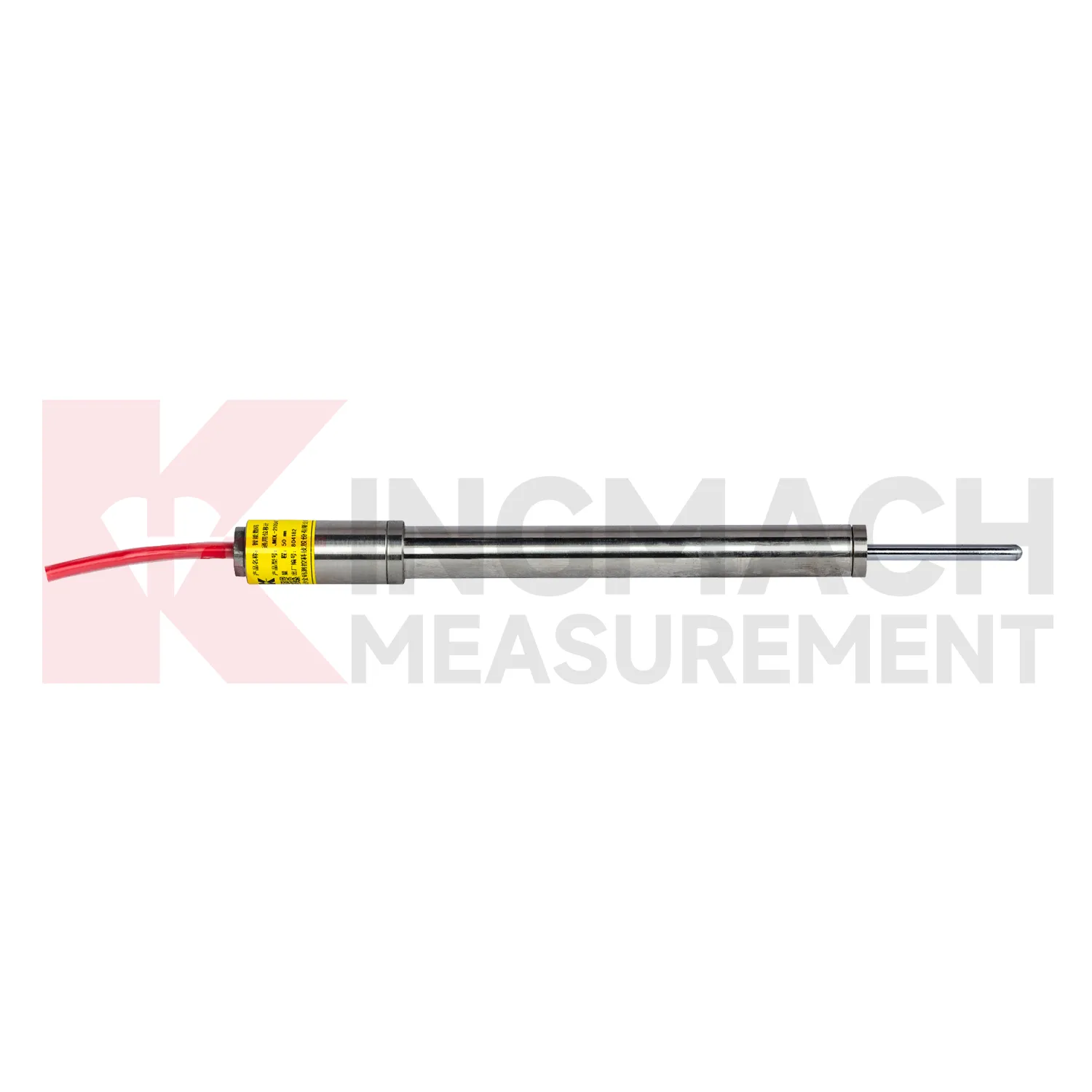
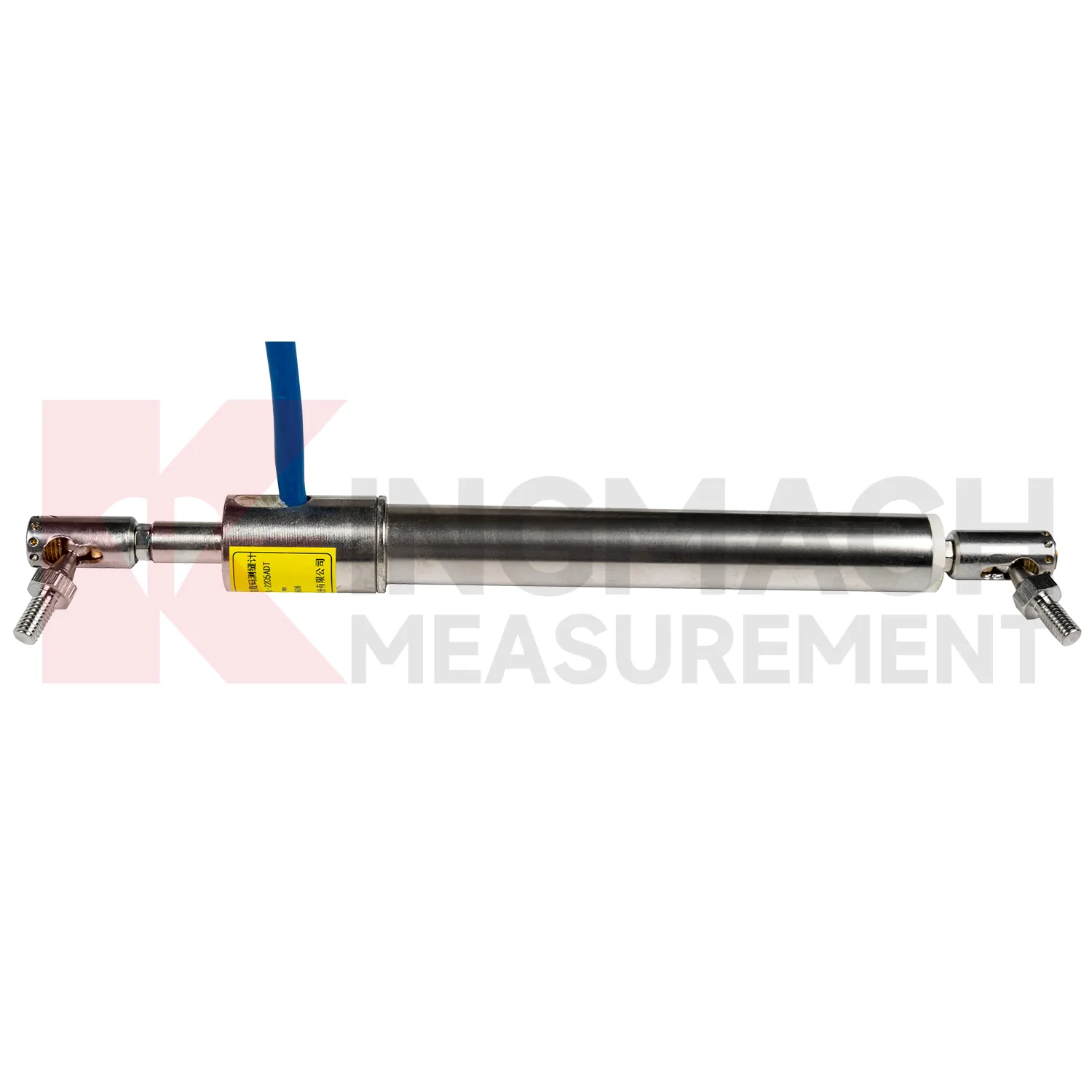
Kingmach extensometers include the JMDL-31XXAT Smart Multipoint Displacement Meter for tunnels, rock slopes, foundation pits, and surrounding rock layers. The product uses displacement gauges, PVC measuring rod protective tubes, anchor heads, and multipoint installation kits that support three to five monitoring points. Installation is performed by drilling and grouting, with anchor heads fixed at different depths so each layer can be observed separately. Listed models include 50 mm, 100 mm, and 200 mm ranges, all with 0.01 mm resolution. The sensing principle uses an LC oscillation circuit: as the measuring rod moves inside the coil, magnetic reluctance and inductance change, causing the output frequency to change in a linear relationship with displacement. Because the rod and coil work without contact, the structure is less vulnerable to mechanical damage during installation. The built-in memory stores model, serial number, calibration coefficients, and up to 600 measurement records for later traceability. During project setup, the measuring point should be matched with the expected travel direction, available mounting space, cable route, and required acquisition interval. This prevents a short-range joint instrument from being used on a long-travel point, or an exposed sensor from being placed where an embedded anchor is needed. It also helps the monitoring team set a baseline that can be defended during acceptance and later maintenance review.
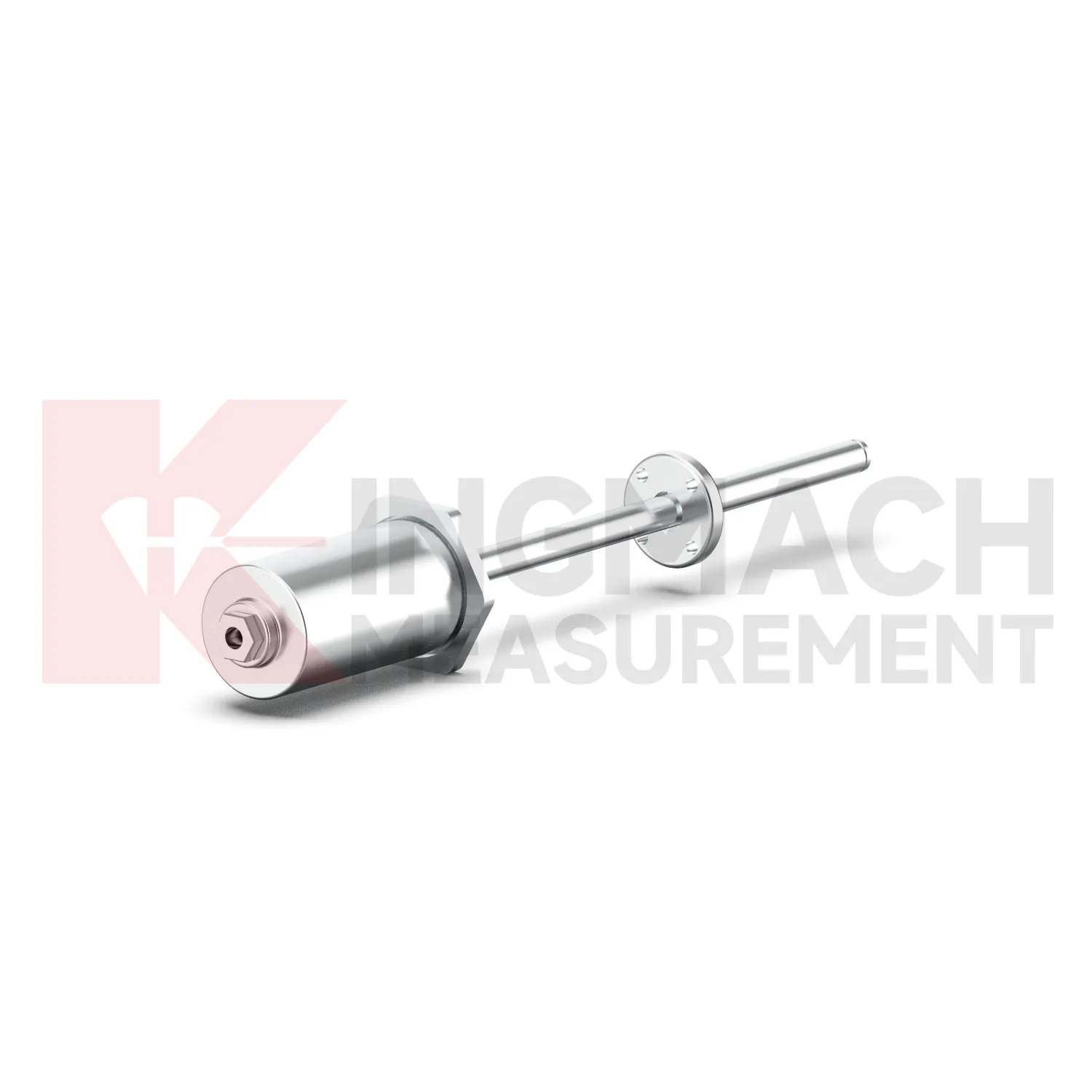
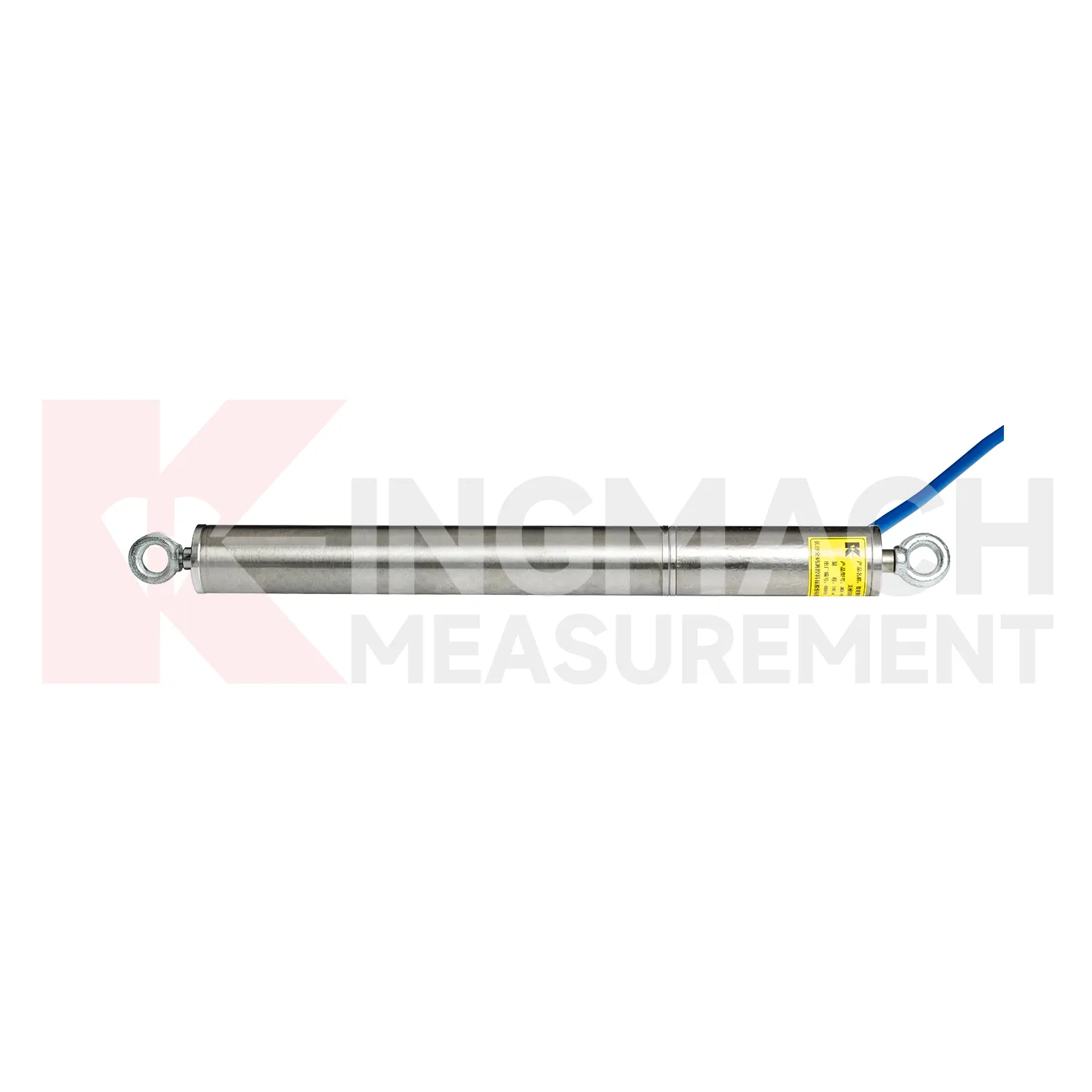
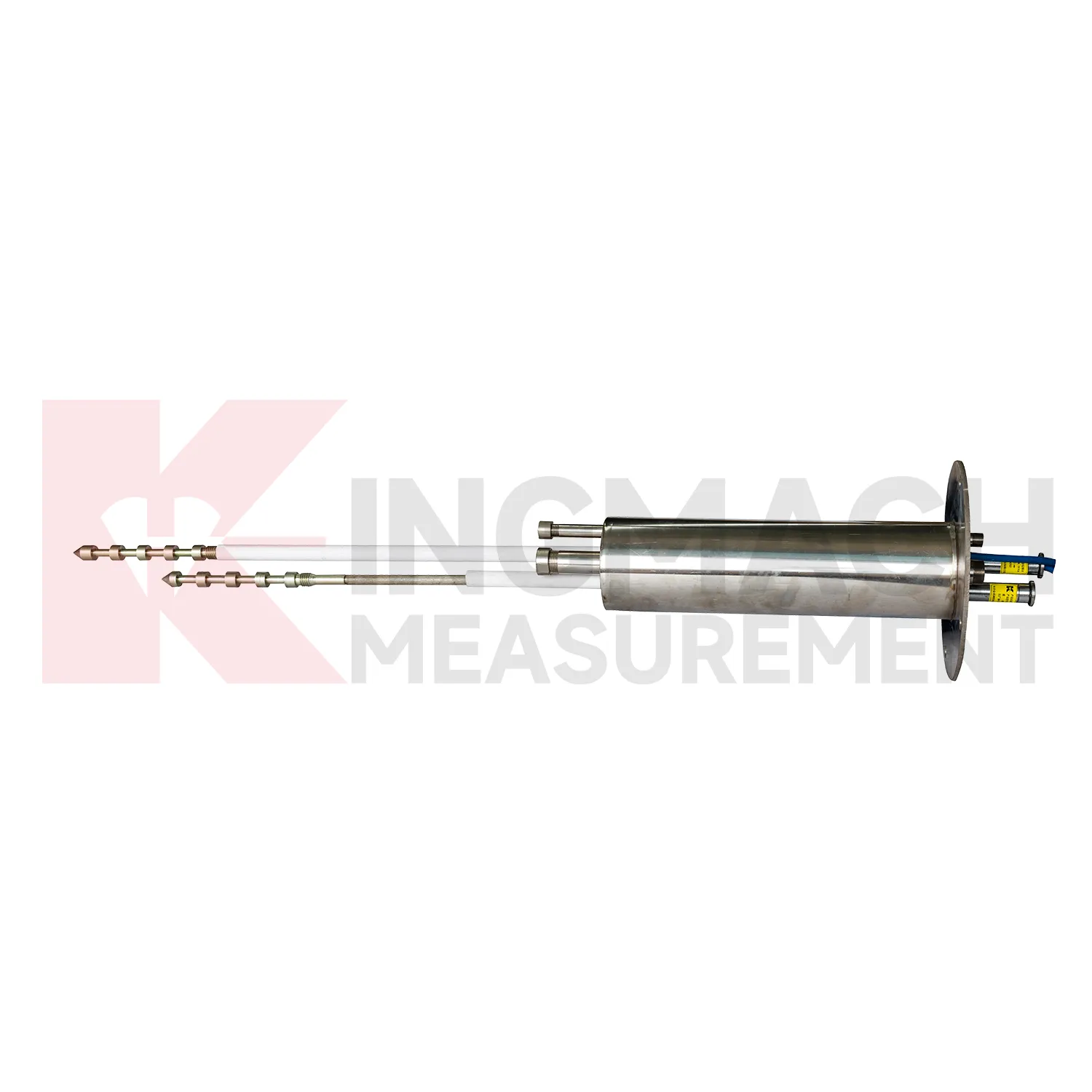
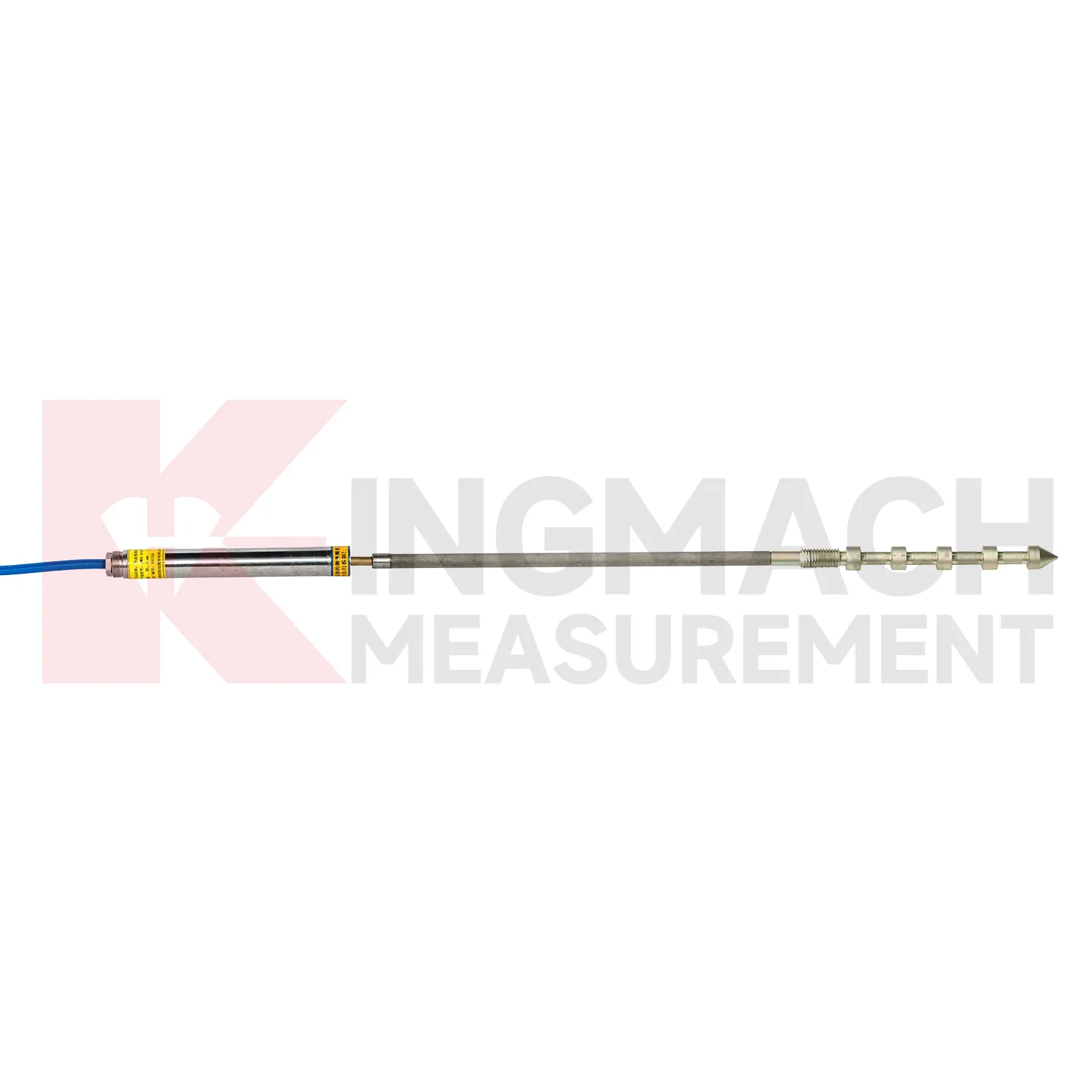
Application of extensometers
In building and high-formwork construction, extensometers are used less like long-term bridge instruments and more like real-time construction controls. During concrete pouring, steel pipe supports, scaffold frames, formwork platforms, and temporary load paths can move quickly while workers and pumps are still operating. Kingmach JMDL-49XXAT formwork displacement meters are built for this kind of site, with 50 mm, 100 mm, and 200 mm ranges, 0.01 mm sensitivity, 0.5%FS accuracy, IP68 protection, and a listed temperature range from -40 degrees Celsius to +100 degrees Celsius. Built-in memory can store time, temperature, displacement values, and other records. On a high-formwork job, the sensor position should be tied to the pouring sequence, support layout, concrete volume, and warning action. A sudden lateral movement of a steel pipe has a different meaning from slow settlement after loading. JMDL-22XXAT crack gauges may also be used after construction to follow building joint or crack width changes. The practical value is fast site feedback while the work can still be adjusted. Site teams should define who receives alarms during pouring, how readings are confirmed, and when work should pause for inspection. This makes the displacement point part of the construction control process, not just a record reviewed after the risk has passed.
The future of extensometers
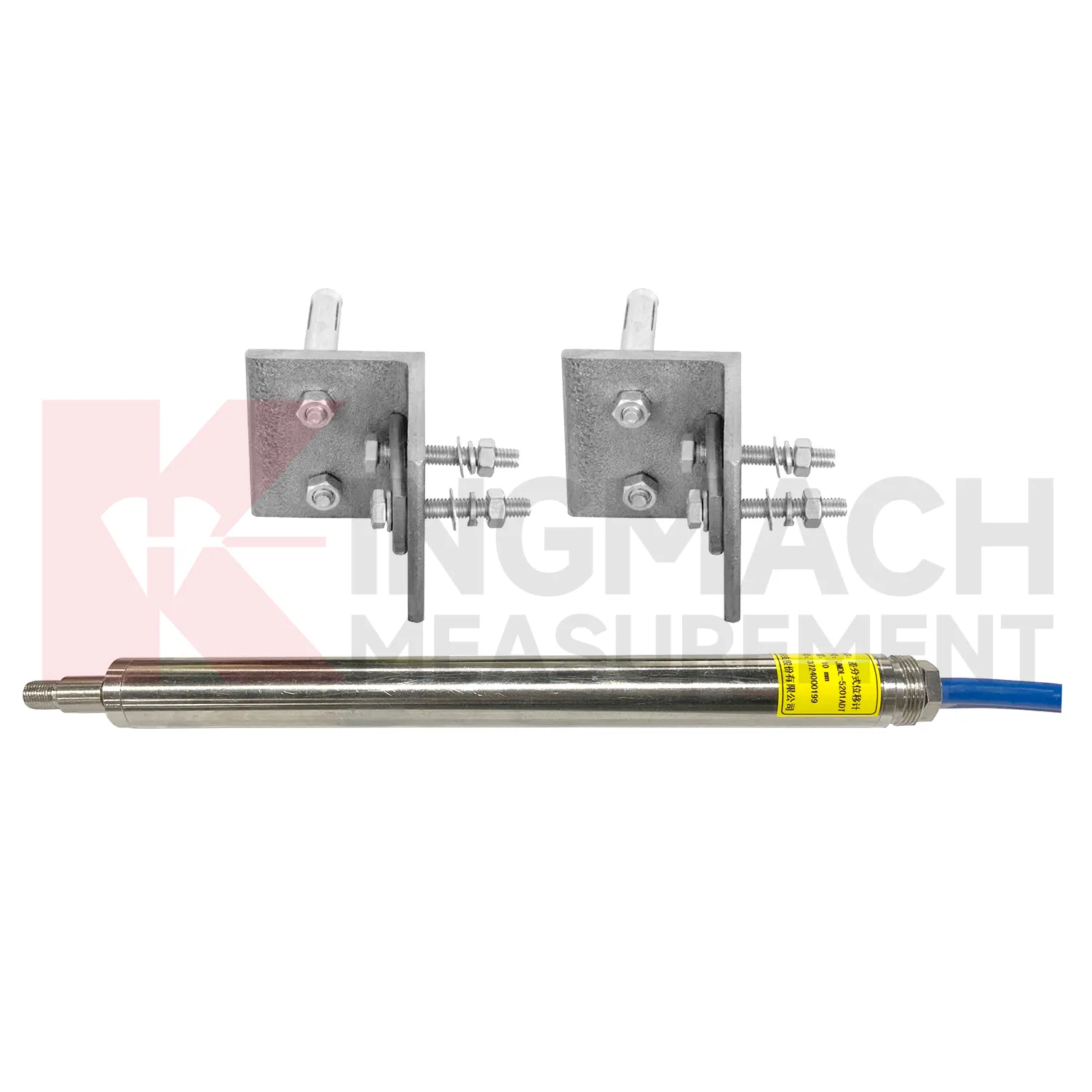
Future extensometers will also become easier to install in cramped and irregular field locations. Many monitoring points are not clean laboratory setups; they are narrow tunnel headings, wet dam galleries, crowded bridge joints, temporary formwork frames, steep slopes, and machinery spaces with limited room for tools. Smaller housings, clearer mounting accessories, stronger cable exits, and simpler alignment checks will reduce installation errors. Kingmach already uses several physical formats, including crack gauges with measuring rods and bases, draw-wire sensors for longer travel, embedded bedrock assemblies, flexible geogrid meters, and non-contact magnetostrictive meters. Future product development can make these formats more modular, so engineers select the mounting kit, cable protection, connector type, and acquisition method together. That would shorten commissioning time and make later maintenance less dependent on the original installer. For projects with many measurement points, practical installation improvements can be as important as another decimal place of resolution, because a well-mounted sensor gives cleaner data from the beginning.
Care & Maintenance of extensometers
For flexible geogrid extensometers, installation care is more important than later access because the product may be buried inside reinforced soil. Kingmach JMDL-24XXAT uses a bendable measuring rod, 30 mm and 50 mm ranges, 0.01 mm sensitivity, 0.5%FS accuracy, 20-point curve fitting, and a designed service life up to 30 years. Both ends of the geogrid should be clamped with the flexible sensor sections using mounting brackets so deformation transfers reliably. Avoid sharp bending, cable tension, bracket slippage, and damage during filling or compaction. Record the geogrid layer, chainage, depth, sensor direction, zero value, and backfill date. During operation, compare displacement with settlement and rainfall records. If the trend changes after heavy rain, traffic loading, or nearby excavation, inspect accessible cabinets and cables before deciding whether the buried geogrid movement itself has changed. Keep the installation photo, point number, zero value, and expected movement direction with the commissioning record for later review. If a reading changes after maintenance work, inspect the base, anchor, cable, and cabinet before assuming the structure itself has moved.
Kingmach extensometers
Long-term projects need extensometers that can survive the same weather, vibration, cable pulling, and site handling as the structure itself. Kingmach designs several smart displacement products with built-in memory chips, digital detection, strong anti-interference capability, and direct display through compatible testers. The JMDL-22XXAT crack gauge stores up to 600 measurement results and covers 20 mm, 50 mm, 100 mm, and 200 mm models. The JMDL-21XXAT general-purpose model stores up to 800 records and can save time, temperature, absolute displacement, relative displacement, and zero-point values. These records matter during handover because the original baseline, later shifts, and abnormal readings can be checked without relying only on handwritten notes. For bridges, dams, tunnels, slopes, and buildings, that traceability helps maintenance teams judge whether a movement event is isolated, repeated, or linked with surrounding construction and environmental change. The point should be named on the drawing, linked with its cable route, and checked against the expected movement direction before the first automatic reading is accepted. For daily review, the reading should be compared with nearby points, recent weather, site operations, and any loading event that could explain the movement.
FAQ
Q: How should extensometers be maintained?
A: Inspect brackets, anchors, measuring rods, cable routes, connectors, waterproof seals, cabinet wiring, grounding, and channel labels at planned intervals.
Q: What signs suggest a data problem rather than real movement?
A: Flat lines, sudden jumps after cabinet work, repeated communication gaps, impossible readings, or disagreement with nearby points may indicate sensor, cable, power, or channel issues.
Q: Can temperature affect displacement data?
A: Yes. Some products include low temperature sensitivity, differential measurement, or temperature records, but temperature should still be reviewed with the movement trend.
Q: Should zero values be reset often?
A: No. Resetting without a field reason can hide structural movement. Record the event, reason, and new baseline if a reset is required.
Q: What makes a displacement record useful during handover?
A: A useful record includes model, range, serial number, calibration coefficient, baseline, installation photo, point location, latest trend, warning level, and maintenance notes.
Reviews
Christopher Martinez
Very satisfied with the readouts & data loggers. User-friendly interface and supports multiple sensor inputs.
Ryan Lewis
Fast delivery and excellent product quality. The accelerometers and tiltmeters are highly reliable. Strongly recommend this company.
Latest Inquiries
To protect the privacy of our buyers, only public service email domains like Gmail, Yahoo, and MSN will be displayed. Additionally, only a limited portion of the inquiry content will be shown.
Charlotte***@gmail.comUnited Arab Emirates
Hi, we require instrumentation cables suitable for harsh environments. Could you advise on specifica...
Amelia***@gmail.comSingapore
Hello, I am looking for visualization software for monitoring system data analysis. Please let me kn...