
 EN
EN
 ar
ar bg
bg hr
hr cs
cs da
da nl
nl fi
fi fr
fr de
de el
el hi
hi it
it ko
ko no
no pl
pl pt
pt ro
ro ru
ru es
es sv
sv tl
tl iw
iw id
id lv
lv lt
lt sr
sr sk
sk sl
sl uk
uk vi
vi et
et hu
hu th
th tr
tr fa
fa ms
ms hy
hy ka
ka ur
ur bn
bn mn
mn ta
ta kk
kk uz
uz ku
ku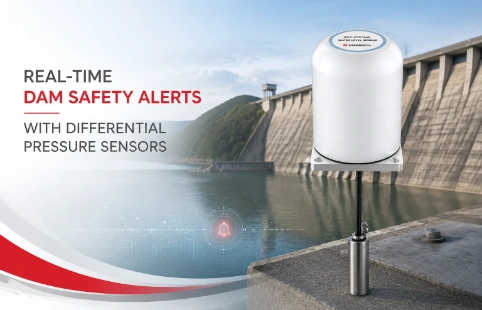
Real-Time Dam Safety Alerts with Differential Pressure Water Level Sensors
Key Takeaways An alert chain needs more than a sensor: define field in...

NB-IoT DTU: Stable Connectivity for Remote Sensors
When a geotechnical project demands data from sensors scattered across miles of terrain, traditional cables aren’t an option. That’s where an NB-IoT DTU comes in. It’s not just another wireless module; it’s the link that gets readings from a piezometer in a remote dam to your dashboard without constant battery swaps. Kingmach has been building monitoring instruments for years, and their NB-IoT DTU reflects that field experience. You plug it into a standard sensor output – RS485, analog, whatever your setup uses – and it sends data over existing cellular infrastructure. No need to set up your own gateway. The narrowband protocol means it sips power, so a field installation can run for a long time on a small battery. And since NB-IoT was designed for deep coverage, it works in basements, manholes, and rural sites where regular LTE often fails. For anyone managing distributed monitoring points – whether that’s water levels in boreholes, tilt on bridge piers, or environmental parameters in agriculture – this DTU simplifies the data chain. In the following, we’ll look at what makes a practical NB-IoT DTU and how Kingmach’s approach fits real-world monitoring.
Technical Detail
The Kingmach NB-IoT DTU is built around the idea that remote data collection shouldn’t be complicated. It takes a straightforward approach: connect your sensor, configure a few parameters, and it starts pushing measurements to your server over the NB-IoT network. Inside, the unit supports common industrial interfaces – think RS485 for Modbus sensors, one or two analog inputs for older equipment, and sometimes a dry contact for event counts. This covers most geotechnical and environmental applications out of the box. Power consumption sits in the microamp range during sleep, so a D-size lithium battery can keep a typical station running for years, depending on the reporting interval. The casing is compact and IP-rated for tough field conditions; you can mount it on a pole or inside a control box. On the software side, Kingmach provides a basic configuration tool, and for larger rollouts, they can customize the data format or integrate with your existing platform. A point that often matters in civil works: the DTU handles network dropouts gracefully. If the cellular link goes down, it buffers readings so nothing gets lost – a feature that has saved a lot of trouble on construction sites where signal can be spotty. Kingmach’s background in monitoring instruments means their support team understands the context: they won’t just explain baud rates; they’ll help figure out why your inclinometer readings aren’t coming through properly. While specs vary by model, typical units cover global NB-IoT bands and carry CE certification. For projects with special requirements – like a custom enclosure, different antenna connector, or specific data protocol – Kingmach offers customization. The DTU is not sold as a universal gadget; it’s aimed at engineers who need to put sensors online and then forget about them for months.
News
Key Takeaways An alert chain needs more than a sensor: define field in...
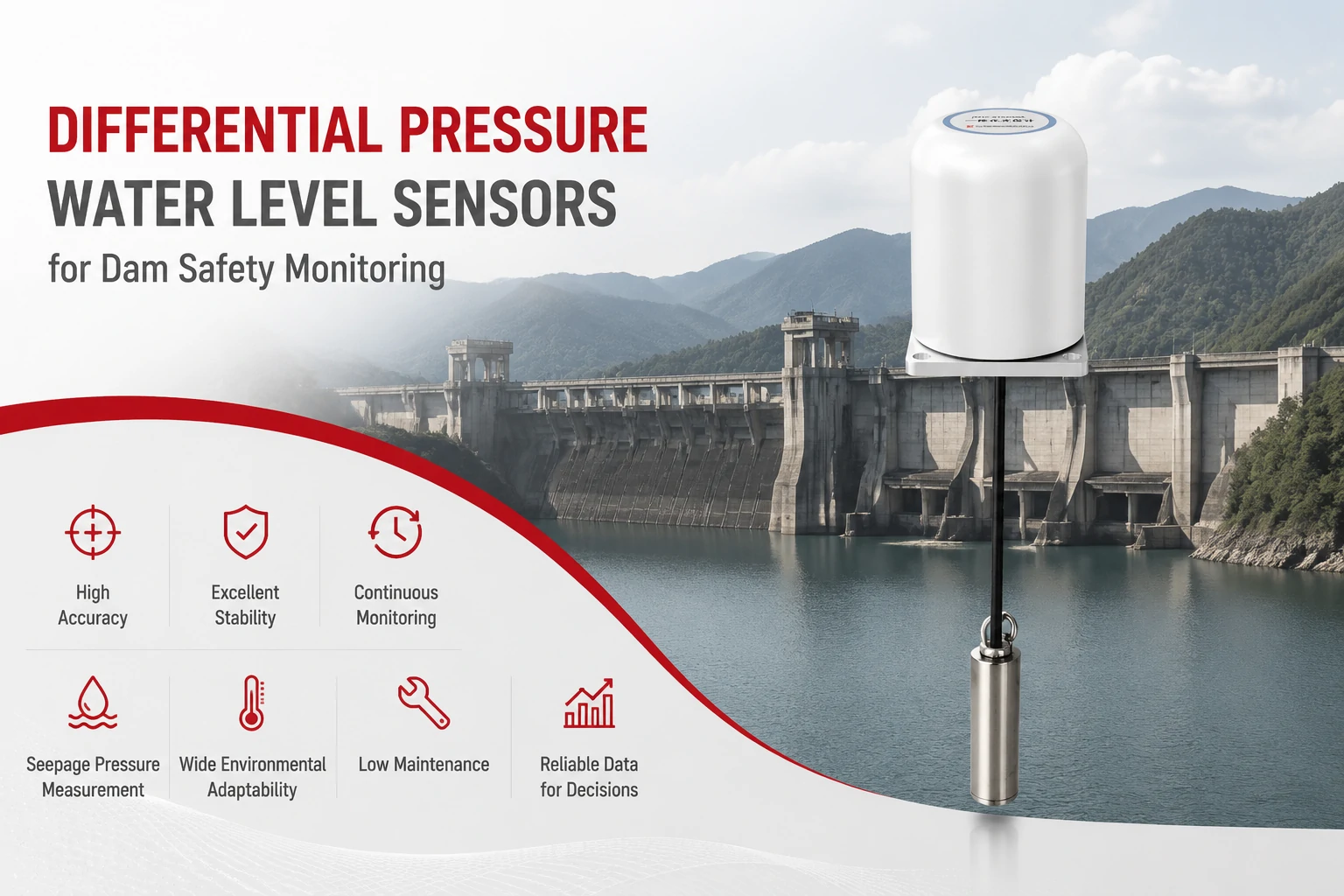
Key Takeaways The strongest fit is usually a confined, submerged, or s...
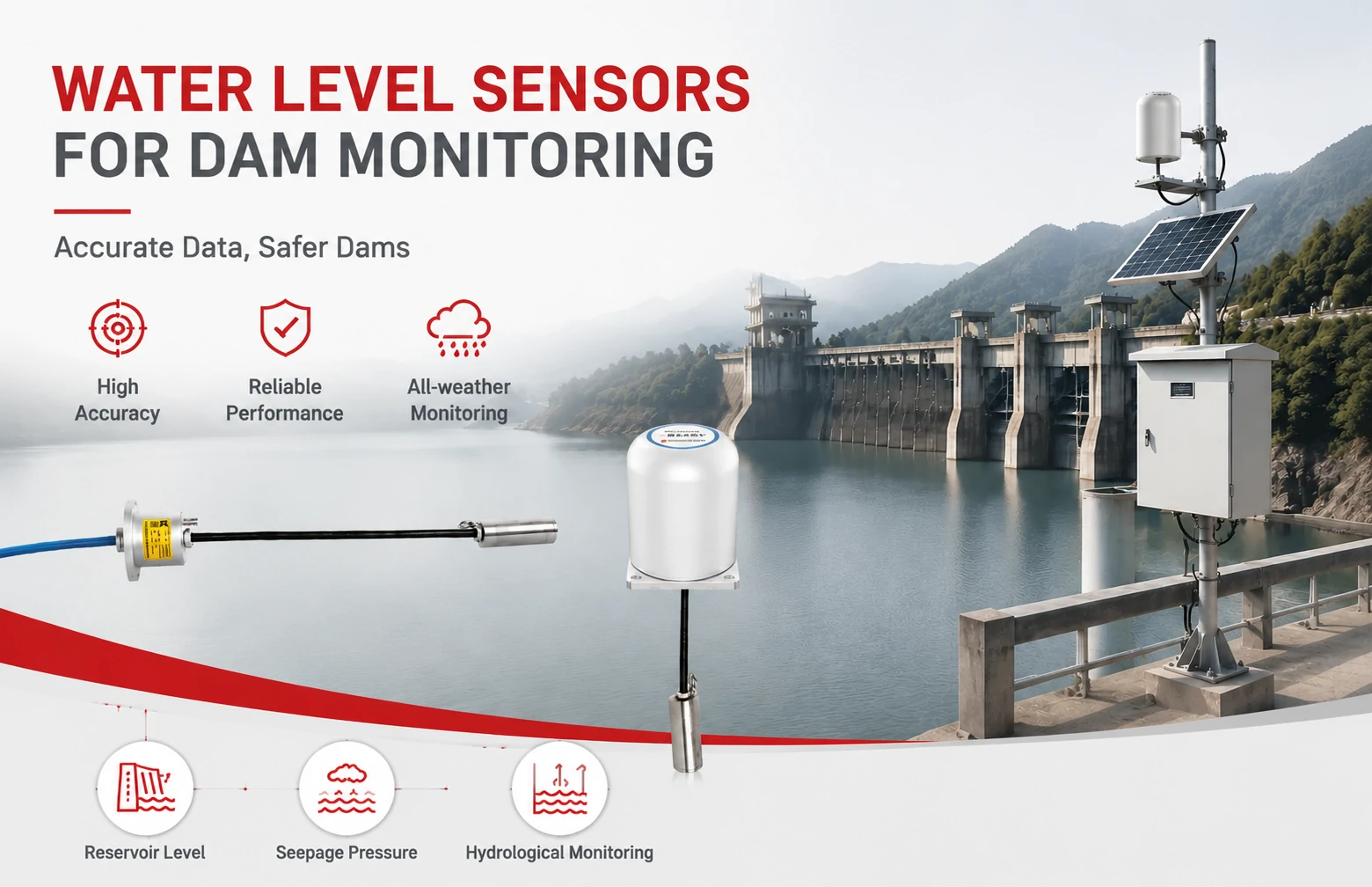
Kingmach Water Level Sensors for Dam Monitoring: A Buyer's Guide to Differential Pre...
Products
FAQ
Yes, it can, but you’ll need a vibrating wire interface module between the sensor and the DTU. The DTU itself typically handles digital protocols like Modbus or simple analog signals. Many geotechnical setups pair a single-channel readout module with the DTU; we can advise on compatible modules that have been tested with our units.
That depends on the reporting interval and sensor draw. With a single reading per hour and a 19Ah lithium pack, expect roughly two to three years. Sites that report every 5 minutes will run the battery down faster. The DTU’s sleep current is in the single-digit microamp range, so the sensor itself often dominates consumption.
NB-IoT rides on existing cellular towers, so you don’t manage your own gateways. LoRa requires a private gateway or reliance on a community network, which might not exist in remote areas. NB-IoT also handles firmware updates over the air easily; with LoRa, bandwidth limits make that harder. The trade-off is that NB-IoT typically costs a few dollars per SIM per month, while LoRa can be free if you own the infrastructure. For scattered sites without clear line-of-sight to a gateway, NB-IoT often wins.
We pre-configure units at our facility based on a simple form you fill out – APN, server IP/port, reporting interval, and any sensor register mapping. That way, the field crew just mounts the device and connects the sensor. Configuration can be changed later over the air if you need to adjust settings.
We focus on the data acquisition hardware and provide a basic local configuration tool. For visualization, we often partner with third-party platforms, and we can help set up data forwarding in a format they accept (MQTT, HTTP, etc.). If you have a custom in-house server, we’ll work with your IT team to match the protocol.
Share your product type, target capacity, and application requirements. Our team can review the details and recommend a practical next step.
If you are interested in our products or want to become our partner.
Please leave your contact information, our team will contact you as soon as possible.
Mail: [email protected]
Contact Us: +8613808434127
Address: No. 188 Tongzipo West Rd, Changsha, Hunan, China