
 EN
EN
 ar
ar bg
bg hr
hr cs
cs da
da nl
nl fi
fi fr
fr de
de el
el hi
hi it
it ko
ko no
no pl
pl pt
pt ro
ro ru
ru es
es sv
sv tl
tl iw
iw id
id lv
lv lt
lt sr
sr sk
sk sl
sl uk
uk vi
vi et
et hu
hu th
th tr
tr fa
fa ms
ms hy
hy ka
ka ur
ur bn
bn mn
mn ta
ta kk
kk uz
uz ku
ku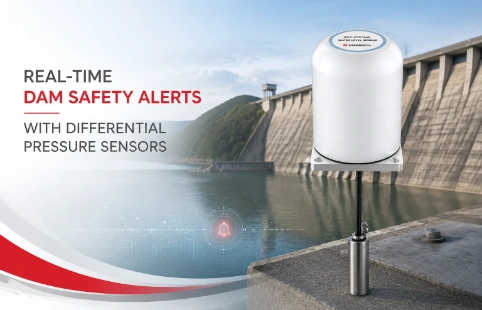
Real-Time Dam Safety Alerts with Differential Pressure Water Level Sensors
Key Takeaways An alert chain needs more than a sensor: define field in...

Accelerometer Data Acquisition That Works with Your Sensors
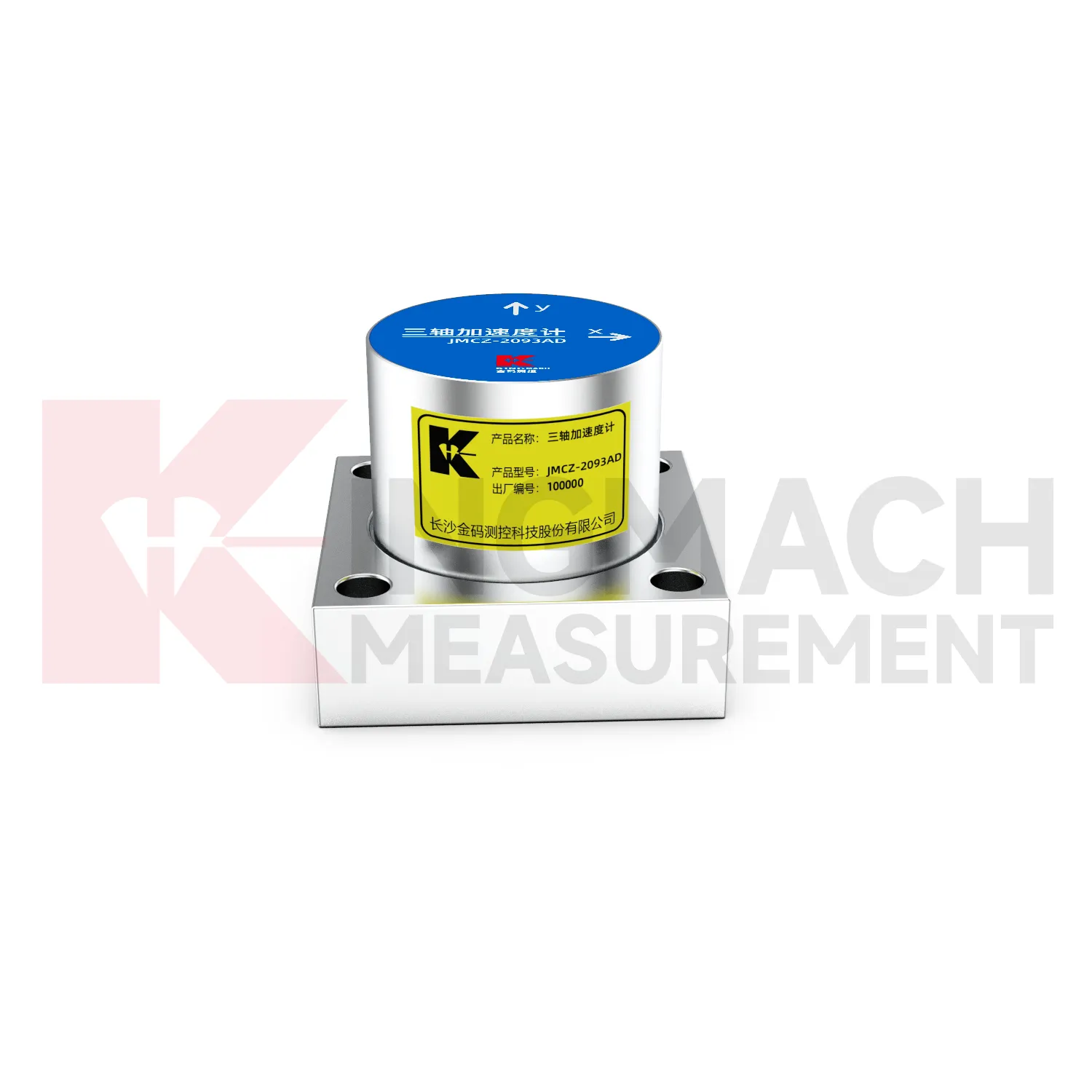
When you’re setting up vibration monitoring on a bridge or a turbine, the last thing you need is a black-box data logger that forces you to guess whether it’ll talk to your existing accelerometers. Kingmach approaches accelerometer data acquisition from the engineering side—we publish resolution, noise floor, and sampling rate options openly, and we test with common IEPE and charge-output sensors so the numbers you see in the datasheet match what you get on site. Rather than pushing a single one-size-fits-all box, we offer modular front ends that let you add channels as the project grows, and we keep anti-aliasing filters configurable because your 0.5 Hz geotechnical signal needs different treatment than a 10 kHz gearbox fault frequency. The result is fewer field surprises and less time tracing phantom signals back to input mismatch. Over a dozen geotechnical and structural monitoring firms have moved to our DAQ because they can pull up a specification table and immediately know if the channels they need will synchronize without extra hardware. If your sensors use unconventional wiring or custom calibration curves, we handle that during factory setup—no field hacking required.
Technical Detail
Kingmach designs accelerometer data acquisition hardware for engineers who need to see component-level specifications before they commit. Each input channel comes with independent 24‑bit delta‑sigma ADCs and software‑selectable sample rates that range from fractions of a hertz to tens of kilohertz, so the same chassis can track slow geodetic tilt and rapid seismic transients. Input coupling is jumper‑selectable between AC and DC, and constant‑current excitation is adjustable in 0.5 mA steps, which covers the majority of IEPE industrial accelerometers without external adapters. For charge‑mode sensors, companion signal conditioning modules plug directly into the same bus, preserving phase alignment across mixed sensor types—a detail that matters when you’re doing operational modal analysis. Phase matching between channels is factory certified to within 0.1° at 1 kHz, and we ship that certification sheet with each unit. The aluminum enclosure is gasket sealed and tested to IP65, with industrial‑grade connectors that won’t loosen after repeated vibration. On the software side, our open‑source Python and LabVIEW libraries give you access to raw stream buffers and triggered bursts, so you aren’t locked into a closed processing pipeline. Kingmach offers global technical support via local partners, and we keep a live inventory of spare modules to minimize downtime. Customization requests—whether it’s a different connector pinout, a special filter profile, or an extended temperature range—go directly to the engineering team that builds the hardware, not a call center.
News
Key Takeaways An alert chain needs more than a sensor: define field in...
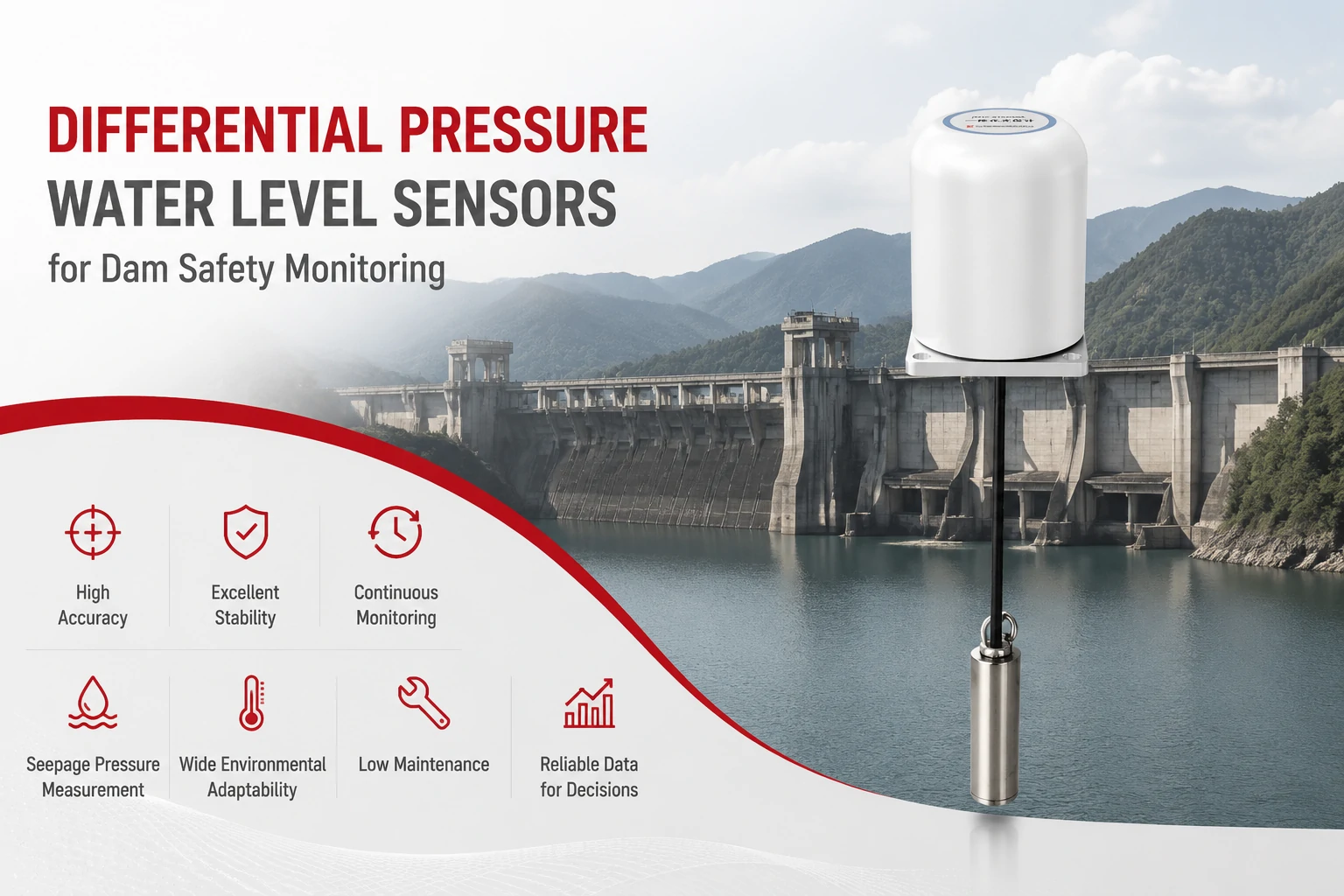
Key Takeaways The strongest fit is usually a confined, submerged, or s...
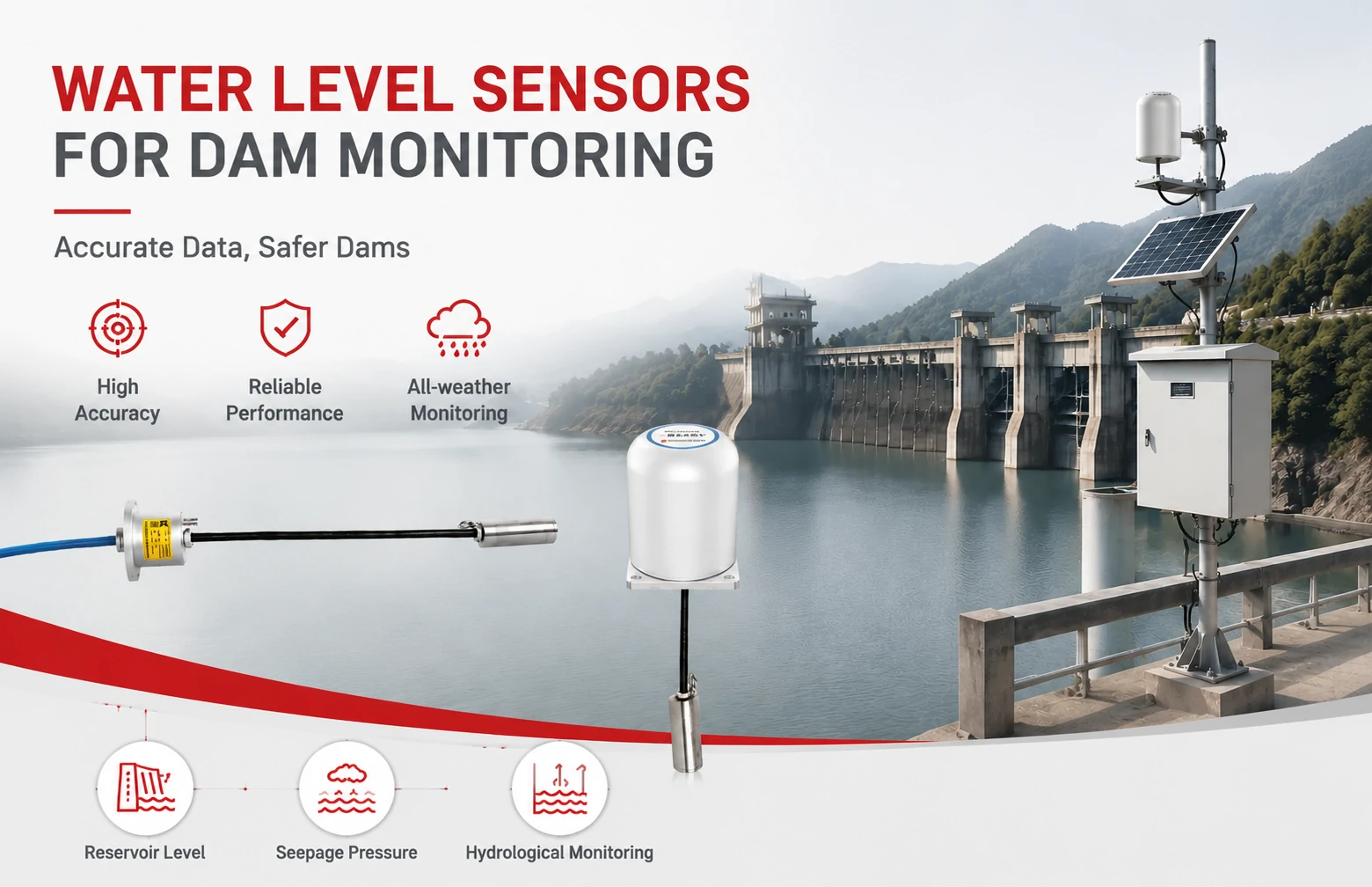
Kingmach Water Level Sensors for Dam Monitoring: A Buyer's Guide to Differential Pre...
Products
FAQ
Start with the signal frequency, not the sampling standard. If you are capturing bridge cables that sway below 2 Hz, even 50 Hz is generous. For gear mesh faults up to 5 kHz, you’ll want at least 15 kHz to satisfy Nyquist and still have room for anti‑aliasing roll‑off. Kingmach lets you set rates per channel group, so you can run slow channels for tiltmeters and fast channels for accelerometers on the same mainframe without wasting storage.
It needs a companion charge‑input module, but that module connects to the same chassis as the IEPE channels and shares the master clock. So you get synchronous samples across all types, and you avoid the separate‑box‑and‑cable‑delay problem that kills phase data in modal tests. The modules auto‑identify when plugged in, and the software treats them like any other channel.
Switch the input coupling to DC and enable the onboard digital high‑pass filter set to, say, 0.05 Hz. That combination passes your real acceleration while suppressing the sensor’s slow thermal wander. In AC‑coupled mode, the hardware high‑pass corner is around 0.3 Hz, which is fine for most civil structures but can eat into your signal if you really need sub‑0.2 Hz data. Our integration manual walks through a two‑minute bench check that confirms the cutoff before you head to the field.
Yes—the chassis supports up to 32 channels in 8‑channel blocks. Existing units don’t need firmware changes; you just slot in additional modules and the controller recognizes them. All channels stay synchronized because they share the same backplane clock, so there’s no practical channel‑to‑channel skew.
Share your product type, target capacity, and application requirements. Our team can review the details and recommend a practical next step.
If you are interested in our products or want to become our partner.
Please leave your contact information, our team will contact you as soon as possible.
Mail: [email protected]
Contact Us: +8613808434127
Address: No. 188 Tongzipo West Rd, Changsha, Hunan, China