
 EN
EN
 ar
ar bg
bg hr
hr cs
cs da
da nl
nl fi
fi fr
fr de
de el
el hi
hi it
it ko
ko no
no pl
pl pt
pt ro
ro ru
ru es
es sv
sv tl
tl iw
iw id
id lv
lv lt
lt sr
sr sk
sk sl
sl uk
uk vi
vi et
et hu
hu th
th tr
tr fa
fa ms
ms hy
hy ka
ka ur
ur bn
bn mn
mn ta
ta kk
kk uz
uz ku
ku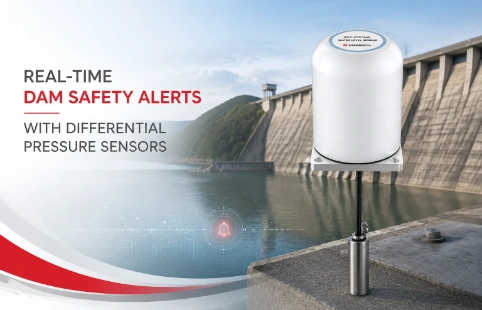
Real-Time Dam Safety Alerts with Differential Pressure Water Level Sensors
Key Takeaways An alert chain needs more than a sensor: define field in...

Kingmach Digital Inclinometer Sensor: Tilt Data Without Guesswork
Slope failures rarely announce themselves. By the time cracks appear, movement has often progressed far enough to force urgent action. A digital inclinometer sensor changes that—it reads angular shifts in real time and feeds data straight into your monitoring system. Kingmach has refined these sensors over years of field use, adapting MEMS-based electronics to the real demands of embankments, deep excavations, and dam safety programs. Instead of periodic manual surveys, a properly installed unit catches sub-degree movements as they happen, buying engineers the lead time to respond. The digital output integrates easily with existing loggers or wireless nodes, and the sealed housing handles submersion and freeze-thaw cycles without drifting. For large deployments, Kingmach customizes cable lengths, brackets, and protocols to cut down on-site wiring errors. When you manage risk across multiple assets, a sensor that just keeps reporting without fuss makes the difference between early warning and expensive repair.
Technical Detail
Kingmach digital inclinometer sensors are built around a single-axis or biaxial MEMS accelerometer with high repeatability. The standard output is RS-485 digital, though analog 4-20 mA loops are available. Resolution typically reaches 0.01° or finer, with selectable measurement ranges from ±15° to ±90°. Signal conditioning uses differential transmission to reject noise on long cable runs—a practical advantage in sites with heavy electrical interference. Field engineers appreciate the alignment guide on the machined stainless steel or anodized aluminum housing, which speeds up placement inside inclinometer casing. Waterproof connectors make unit swaps a matter of minutes. Communication runs on Modbus RTU, so connection to most data loggers requires no custom drivers. Kingmach's support team regularly helps project managers size cable lengths, plan grounding, and avoid signal drift in humid environments. Data can be forwarded to SCADA or cloud platforms where tilt trends are visualized and alarm thresholds trigger automatic alerts. On-board temperature compensation keeps zero-point errors within spec across seasonal swings, and each sensor ships with a custom calibration report. A full set of accessories—mount brackets, protective sleeves, signal converters—covers everything from borehole installations in soft clay to surface tilt monitoring on exposed rock, often from a single supplier.
News
Key Takeaways An alert chain needs more than a sensor: define field in...
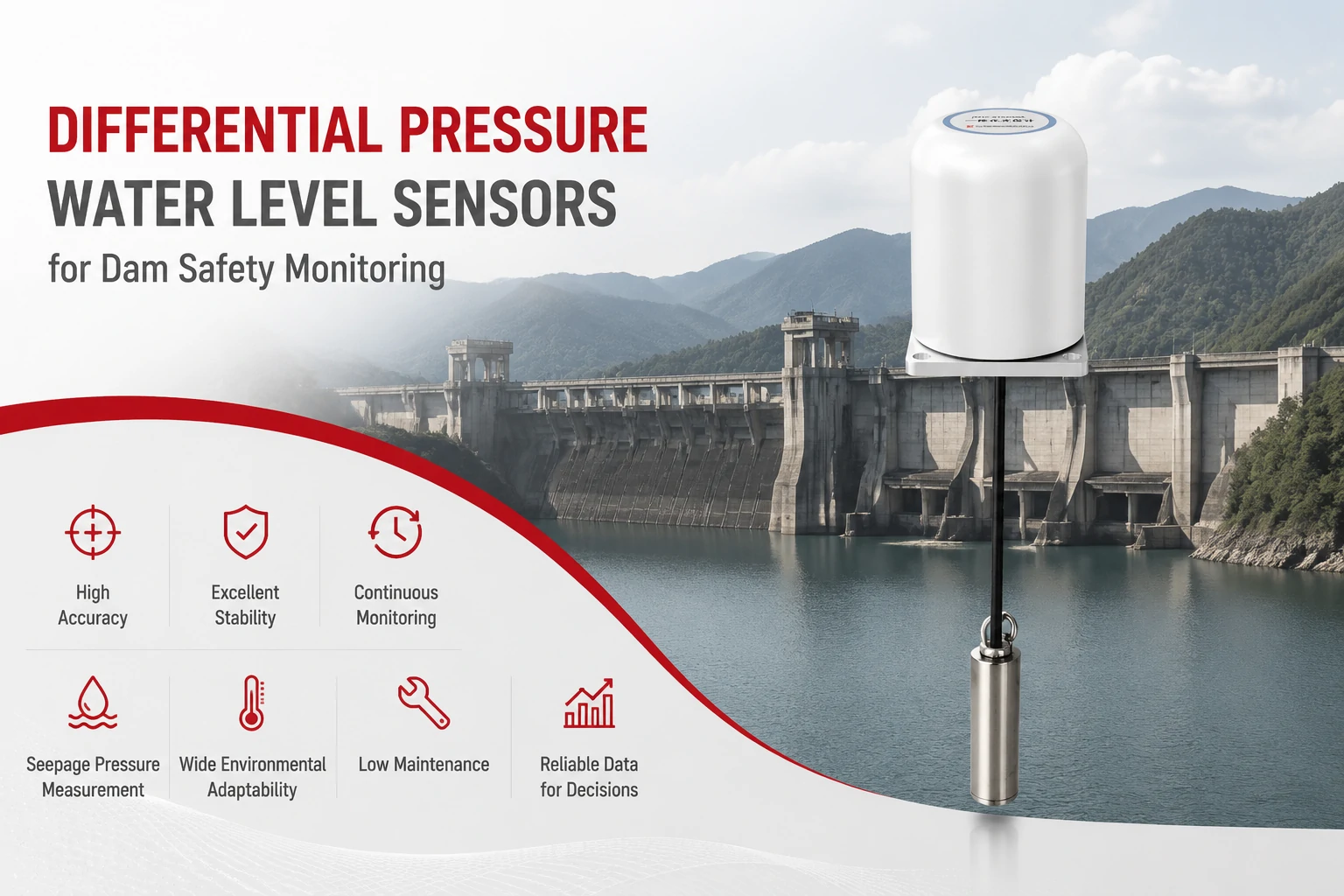
Key Takeaways The strongest fit is usually a confined, submerged, or s...
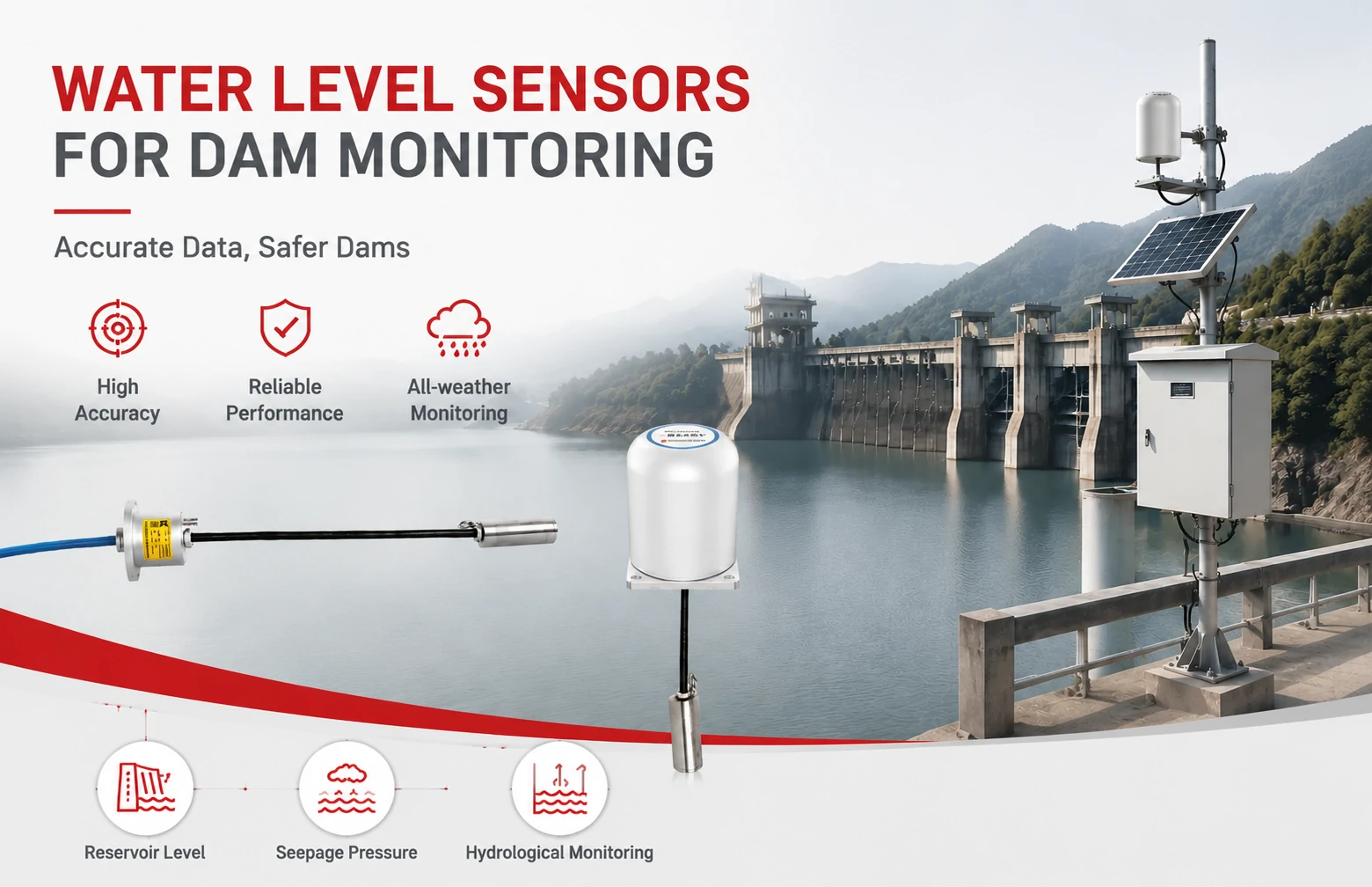
Kingmach Water Level Sensors for Dam Monitoring: A Buyer's Guide to Differential Pre...
Products
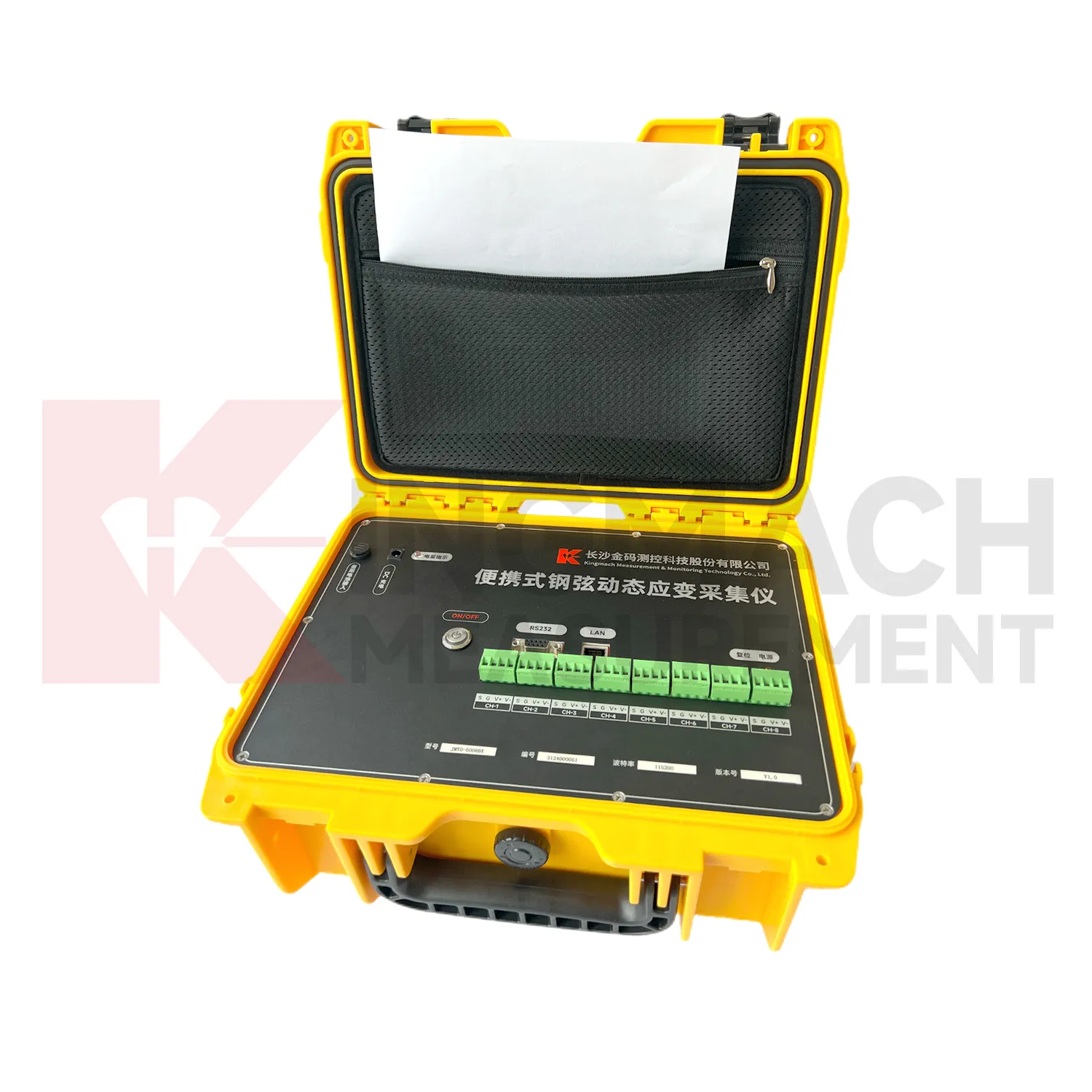
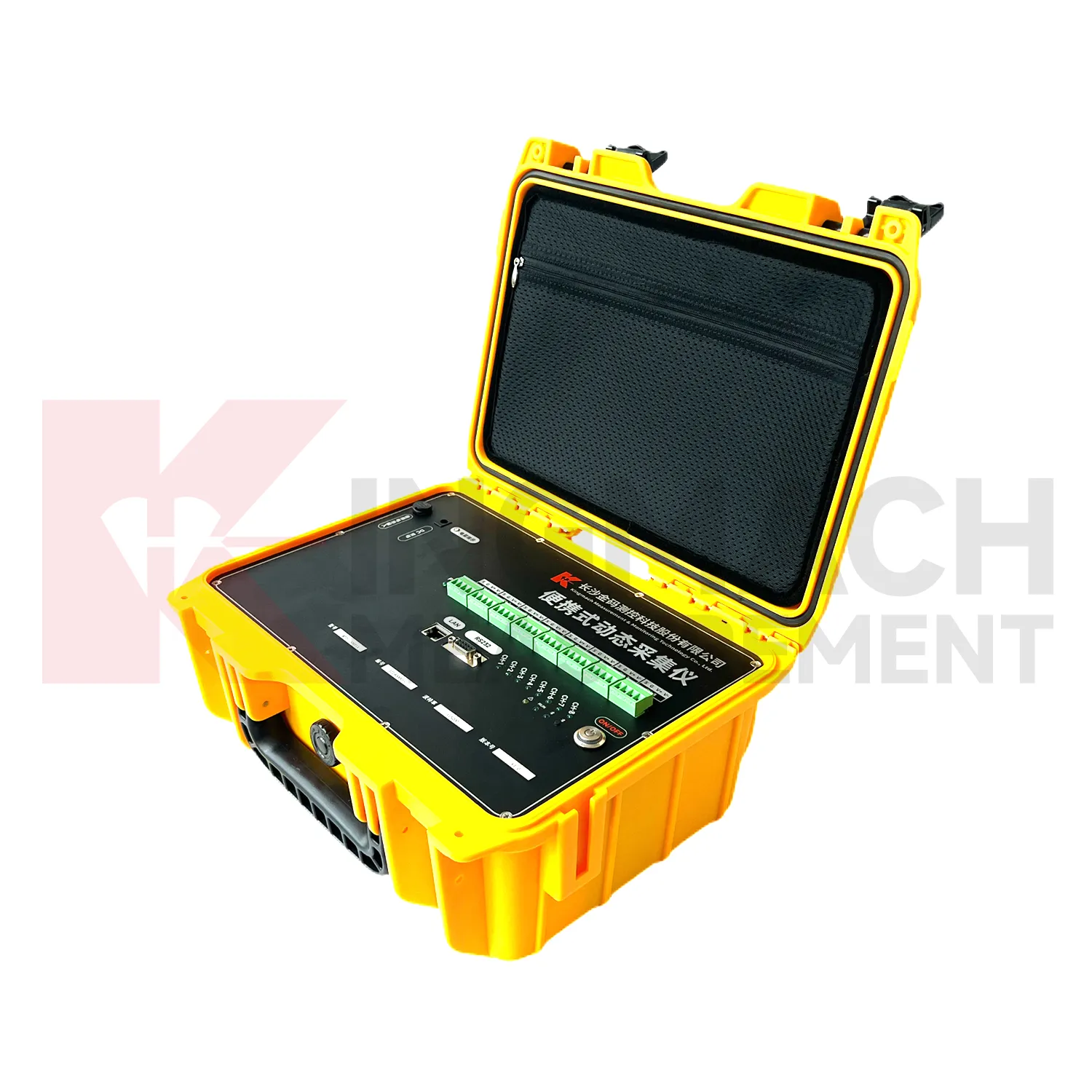
Portable Vibrating Wire Dynamic Strain Acquisition Readout JMYD-6008BX
View Details
Portable Dynamic Signal Acquisition Readout JMYS-1008BX
View DetailsFAQ
The main difference is continuous data without lowering a probe each time. You fix the sensor at the depth of interest, and it reports tilt in real time. There's no cable or reel wear, and you get readings during rain or at night without sending a crew. Accuracy-wise, a well-made MEMS digital unit holds calibration longer because there are no mechanical parts to drift.
Yes. Most of our sensors output RS-485, which feeds easily into common wireless loggers or nodes. We can also supply a 4-20 mA version if your existing network prefers that. Just share your protocol and power constraints when you inquire, and we'll suggest a compatible setup.
The sensor's firmware includes temperature compensation. A thermistor tracks temperature near the MEMS element, and a correction curve is applied to the raw output. This keeps zero-point stable over a typical -20°C to 60°C range. For sites with extremes beyond that, we can discuss extended calibration options.
Cable length is the most frequent request—we can provide cables up to 200 meters. Custom mounting brackets for your specific borehole casing or surface plate also save installation time. If you need a different connector standard, we can swap that too. Just have your site requirements ready, and our engineers will work out the details.
With the standard stainless steel housing and a proper protective sleeve, we've seen sensors still working after eight years in moderate conditions. The biggest risks are lightning and physical damage—surge protection at the data logger helps a lot. The sensor itself has no consumable parts, so lifespan mostly depends on how well the installation holds up.
Share your product type, target capacity, and application requirements. Our team can review the details and recommend a practical next step.
If you are interested in our products or want to become our partner.
Please leave your contact information, our team will contact you as soon as possible.
Mail: [email protected]
Contact Us: +8613808434127
Address: No. 188 Tongzipo West Rd, Changsha, Hunan, China