
 EN
EN
 ar
ar bg
bg hr
hr cs
cs da
da nl
nl fi
fi fr
fr de
de el
el hi
hi it
it ko
ko no
no pl
pl pt
pt ro
ro ru
ru es
es sv
sv tl
tl iw
iw id
id lv
lv lt
lt sr
sr sk
sk sl
sl uk
uk vi
vi et
et hu
hu th
th tr
tr fa
fa ms
ms hy
hy ka
ka ur
ur bn
bn mn
mn ta
ta kk
kk uz
uz ku
ku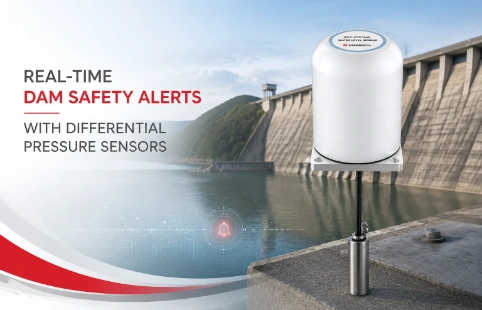
Real-Time Dam Safety Alerts with Differential Pressure Water Level Sensors
Key Takeaways An alert chain needs more than a sensor: define field in...

Load Cell Uses: Real-World Geotechnical Applications
A load cell inside an anchor head doesn’t just sit there—it reports what’s happening underground. In a recent slope stabilization project, technicians relied on load cells to track tendon forces as ground conditions changed. This is one of the many load cell uses that engineers in geotechnics encounter regularly. From pile load tests to retaining wall monitoring, these sensors turn mechanical strain into readable data. Kingmach, a professional manufacturer of geotechnical instruments, sees these applications daily and builds its load cells to handle the real world. Whether it’s a vibrating wire type for long-term stability or a resistive cell for dynamic testing, the right sensor choice comes up again and again. Understanding load cell uses means matching the instrument to the dirt, rock and deadlines that define a project.
Technical Detail
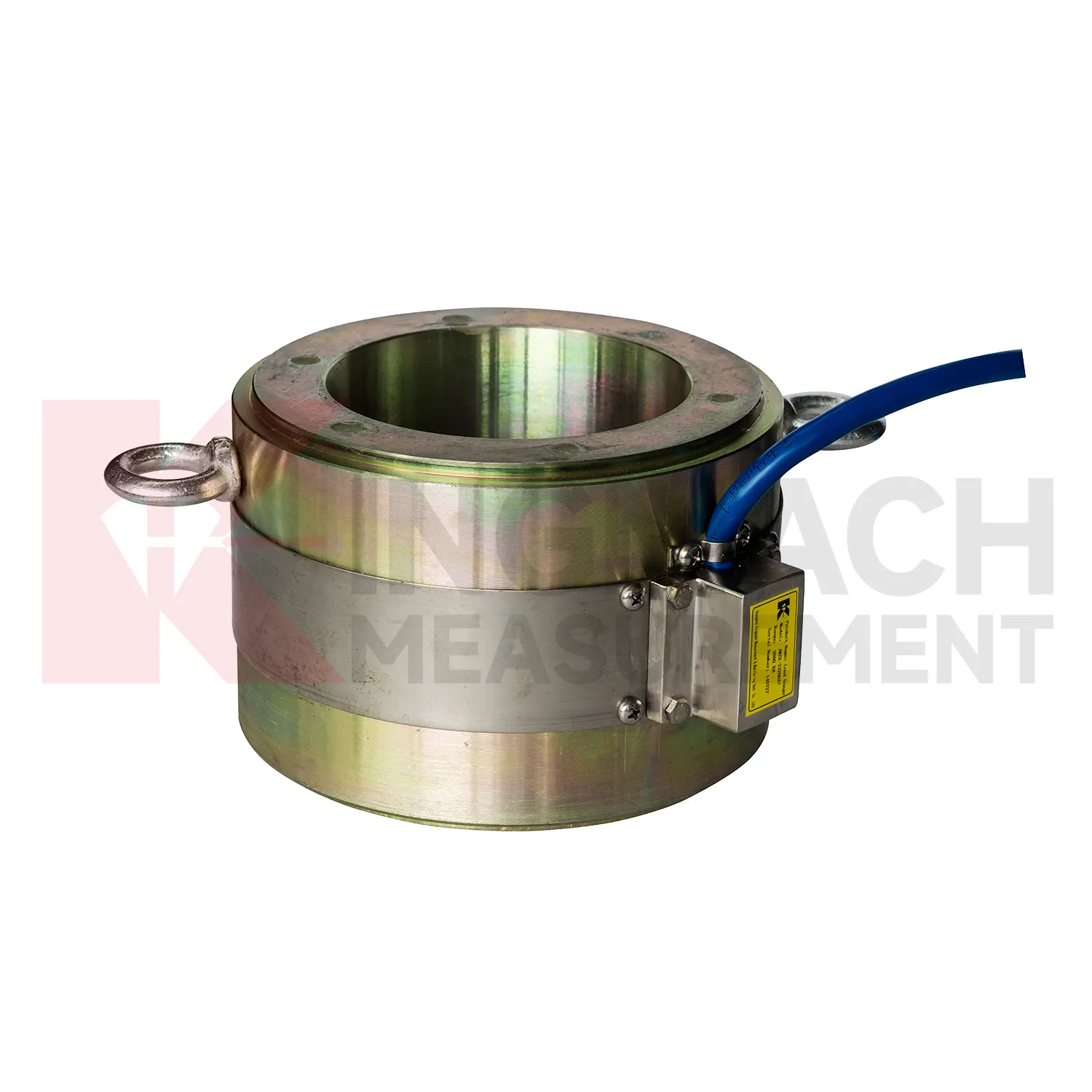
When a pile test requires thousands of tonnes of force measurement or a tie-back anchor needs constant tension logging, load cells are often the first choice. Kingmach produces a range of these instruments specifically for geotechnical environments. The most common design is the center-hole load cell, which allows a tendon or rebar to pass through while measuring compression or tension. In practice, this covers anchor force monitoring in dam abutments, roof bolt loads in tunnels, and even strut loads in deep excavations. Each use case brings its own demands. For a cell that will sit in a borehole for years, long-term zero drift matters more than a fast response time. Kingmach addresses this with standard temperature compensation and rugged stainless steel construction that handles groundwater and soil chemistry without extra protective coating. Some load cell uses demand customization: odd cable routing, non-standard bolt sizes, or high overload capacity for dynamic loads like rockfall barriers. Kingmach’s ability to adapt existing designs to a project specification often saves engineers from sourcing multiple suppliers. Output signals—whether 4-20 mA, mV/V, or vibrating wire—plug into most data loggers without issue, but the team also provides basic wiring guidance to avoid errors on site. A load cell by itself is a simple sensor; what makes it useful is how well it fits the actual monitoring setup and how reliably it reports over time. That practicality is something Kingmach works into every unit shipped.
News
Key Takeaways An alert chain needs more than a sensor: define field in...
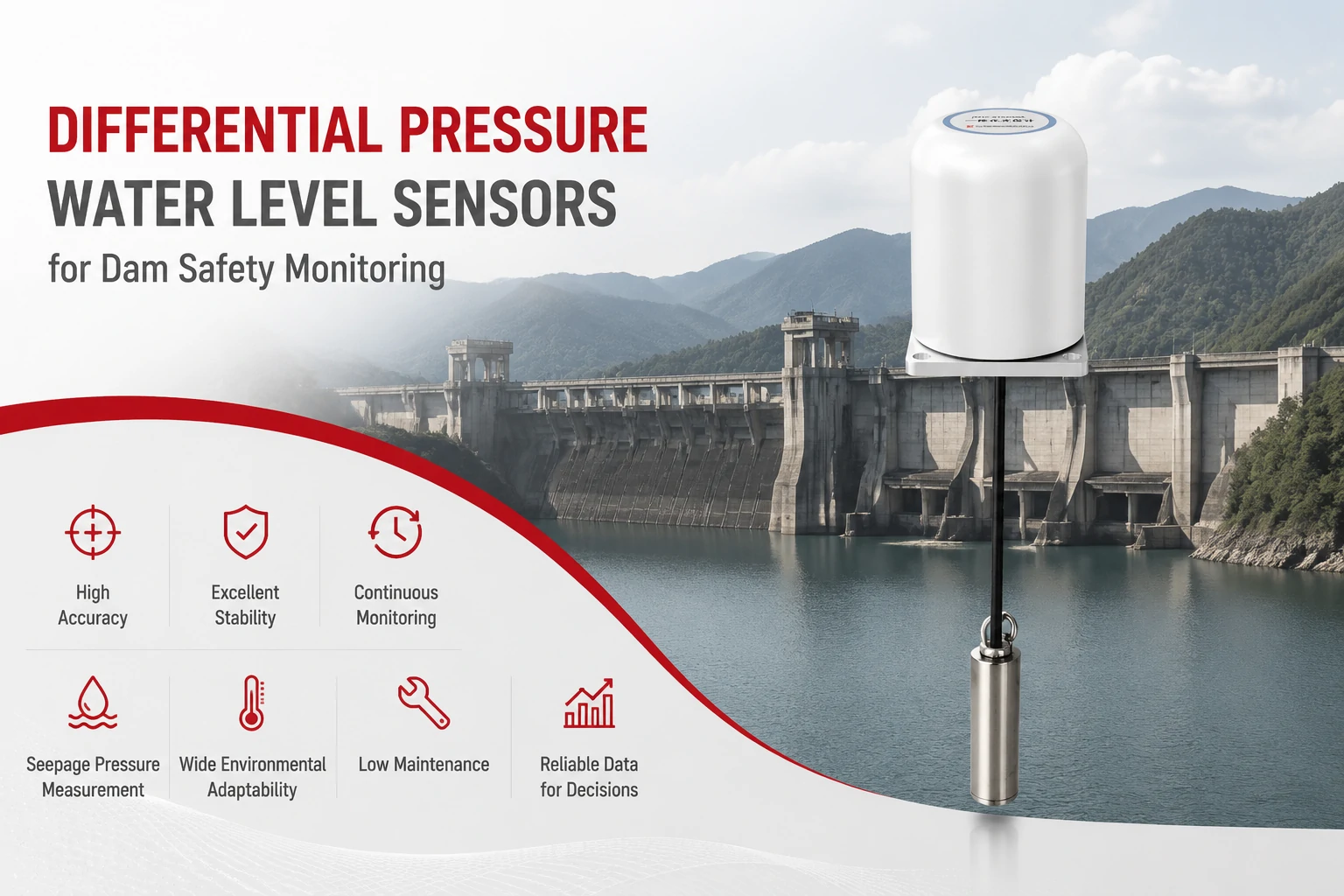
Key Takeaways The strongest fit is usually a confined, submerged, or s...
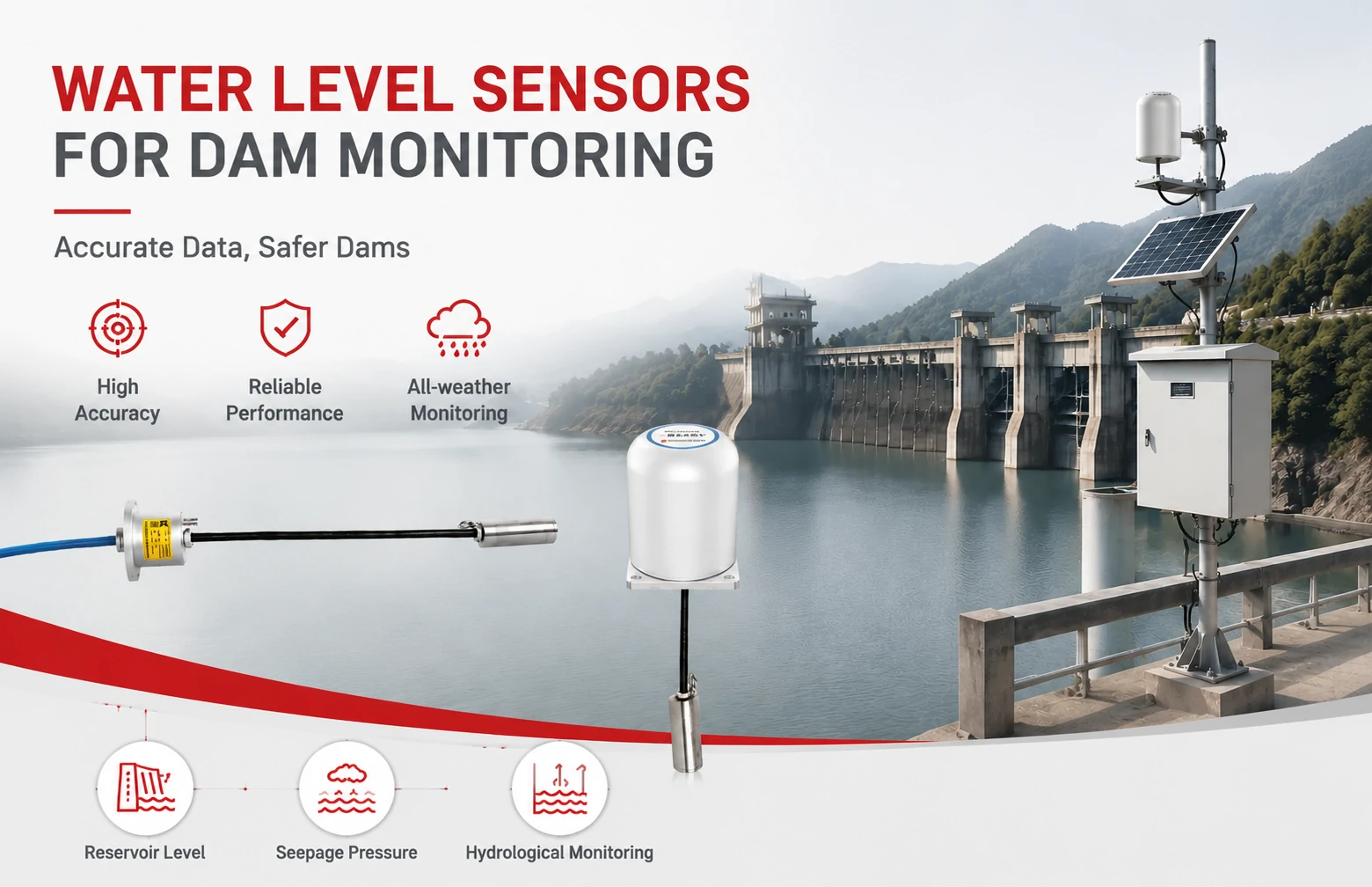
Kingmach Water Level Sensors for Dam Monitoring: A Buyer's Guide to Differential Pre...
Products
Smart Vibrating Wire PiezometerSmart Piezometers (VW) JMZX-55XXHAT
View Details
Large Earth Pressure Cell ( VW & Smart Type) JMZX-51XXAT/ ATM
View DetailsFAQ
Pile load testing, anchor force monitoring in slopes, load measurement in retaining wall tie-backs, and strut loads in excavations are typical. Tunnel lining pressure and rock bolt loading also fall under standard load cell uses.
Center-hole load cells can measure both if they are designed with a bi-directional sensing element. Some models from Kingmach will output positive and negative signals depending on the load direction, but you need to confirm this when ordering—not every cell does both by default.
Most Kingmach load cells output standard signals: 4-20 mA, mV/V, or vibrating wire frequency. Check your logger’s input type; if they match, it’s usually plug-and-play with simple wiring. We include a calibration sheet so you can set the scaling factors correctly.
Our cells are sealed with O-rings and welded construction, rated for submersion in typical groundwater. But if a cable gets damaged, water can travel inside. It’s best to inspect cable glands during installation and use waterproofing compound on field splices. A cell that stays dry inside will have a much longer service life.
Yes. Kingmach frequently customizes center-hole diameters to fit odd anchor or bolt sizes. We also adjust the annular gap and cable exit direction per your drawing. This kind of tailoring is common for large infrastructure projects where off-the-shelf doesn’t fit.
Share your product type, target capacity, and application requirements. Our team can review the details and recommend a practical next step.
If you are interested in our products or want to become our partner.
Please leave your contact information, our team will contact you as soon as possible.
Mail: [email protected]
Contact Us: +8613808434127
Address: No. 188 Tongzipo West Rd, Changsha, Hunan, China