
 EN
EN
 ar
ar bg
bg hr
hr cs
cs da
da nl
nl fi
fi fr
fr de
de el
el hi
hi it
it ko
ko no
no pl
pl pt
pt ro
ro ru
ru es
es sv
sv tl
tl iw
iw id
id lv
lv lt
lt sr
sr sk
sk sl
sl uk
uk vi
vi et
et hu
hu th
th tr
tr fa
fa ms
ms hy
hy ka
ka ur
ur bn
bn mn
mn ta
ta kk
kk uz
uz ku
ku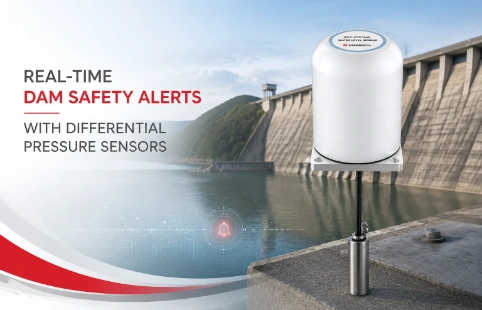
Real-Time Dam Safety Alerts with Differential Pressure Water Level Sensors
Key Takeaways An alert chain needs more than a sensor: define field in...

MEMS Accelerometers That Work in Real Monitoring Conditions
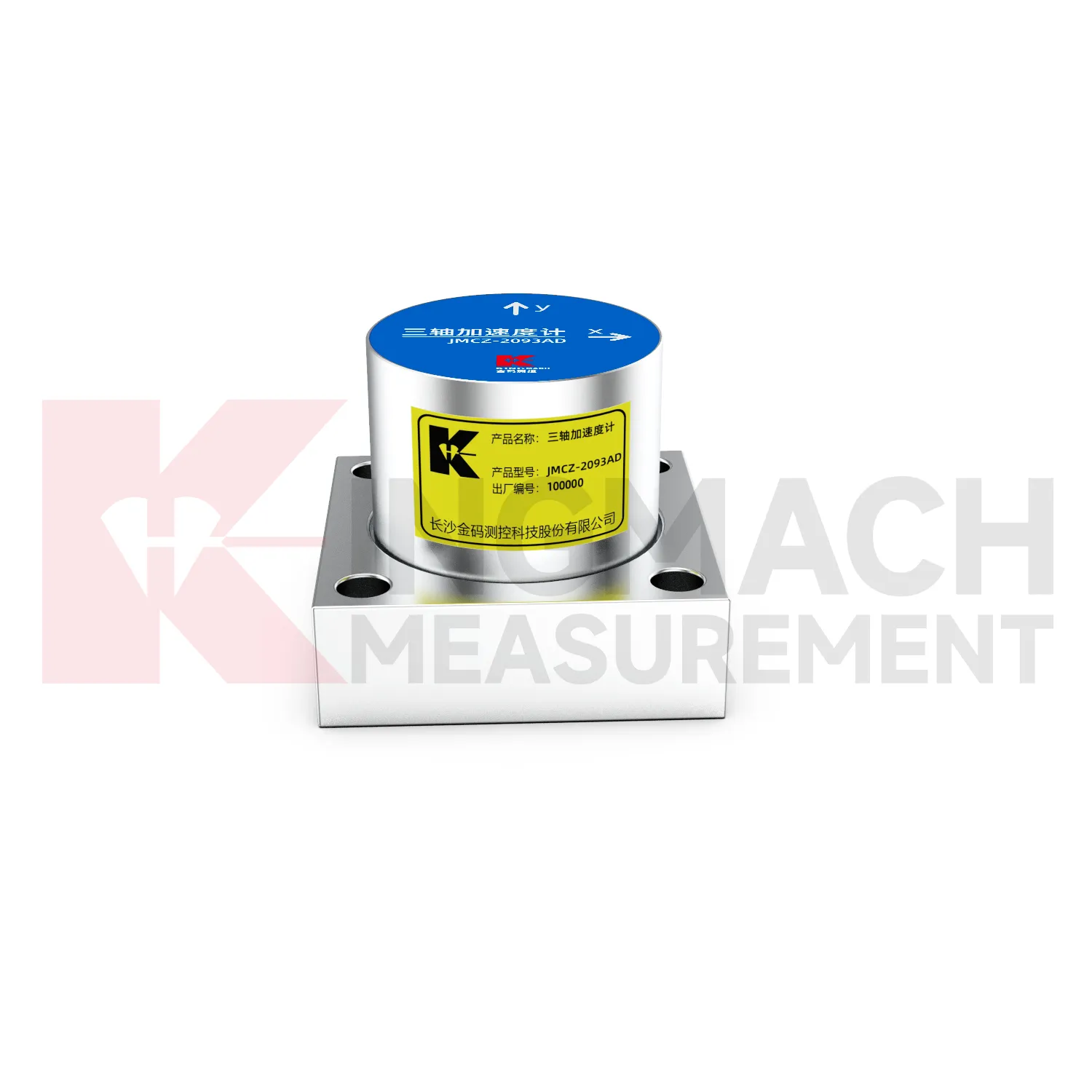
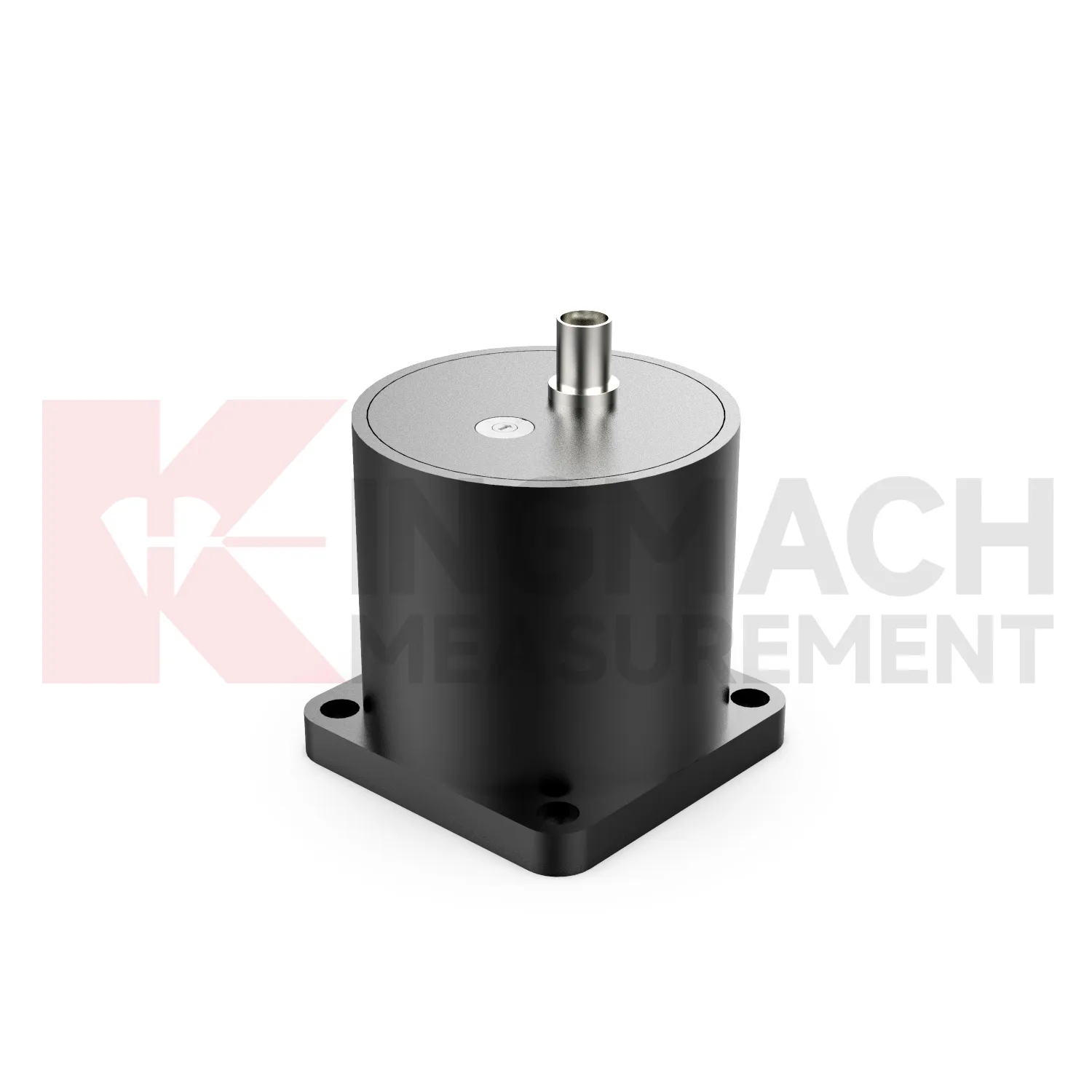
Picking a MEMS accelerometer for a monitoring project often comes down to one thing: will it hold up when it matters? At Kingmach, we don’t try to compete on every specification sheet. Instead, we focus on the stuff that actually trips up field installations – drift over temperature, noise floor at low frequencies, and how the sensor behaves after a year in a damp borehole. Our MEMS accelerometers are used in slope stability, tunneling, and structural health jobs where data continuity is non-negotiable. The range covers from ±2 g to ±200 g, with voltage or digital outputs depending on your logger setup. Custom mounting brackets and cable lengths are standard requests, not special orders. If you’re tired of sensors that look great on paper but drift when the weather turns, it might be worth a conversation.
Technical Detail
A MEMS accelerometer from Kingmach isn’t a one-size-fits-all sensor. We build them for geotechnical and structural monitoring: inclinometer replacements, vibration monitoring on bridges, tilt sensing in retaining walls. The silicon MEMS element gives good low-frequency response and survives thousands of g shocks better than older servo types. In our experience, what separates a usable sensor from a headache is the packaging – how well the electronics are sealed, how stable the voltage reference stays, and how much offset you have to zero out each morning. That’s why we offer IP68-rated stainless housings, internal temperature compensation, and an optional on-board signal conditioner that cuts out line noise. Typical configurations deliver 0.5 to 4.5 V output or RS485 for longer cable runs. We keep a range of standard models on the shelf, but if your project needs a specific bandwidth limit or a non-standard mounting stud, our engineering team can adjust the design. Over the years, our sensors have gone into landslide early warning networks, dam monitoring arrays, and metro construction sites across Asia, Europe, and the Americas. Technical support is direct – you speak with an engineer, not a call script. And because we manufacture in-house, lead times and minimum orders are flexible, which helps when you’re scrambling to get a pilot project off the ground.
News
Key Takeaways An alert chain needs more than a sensor: define field in...
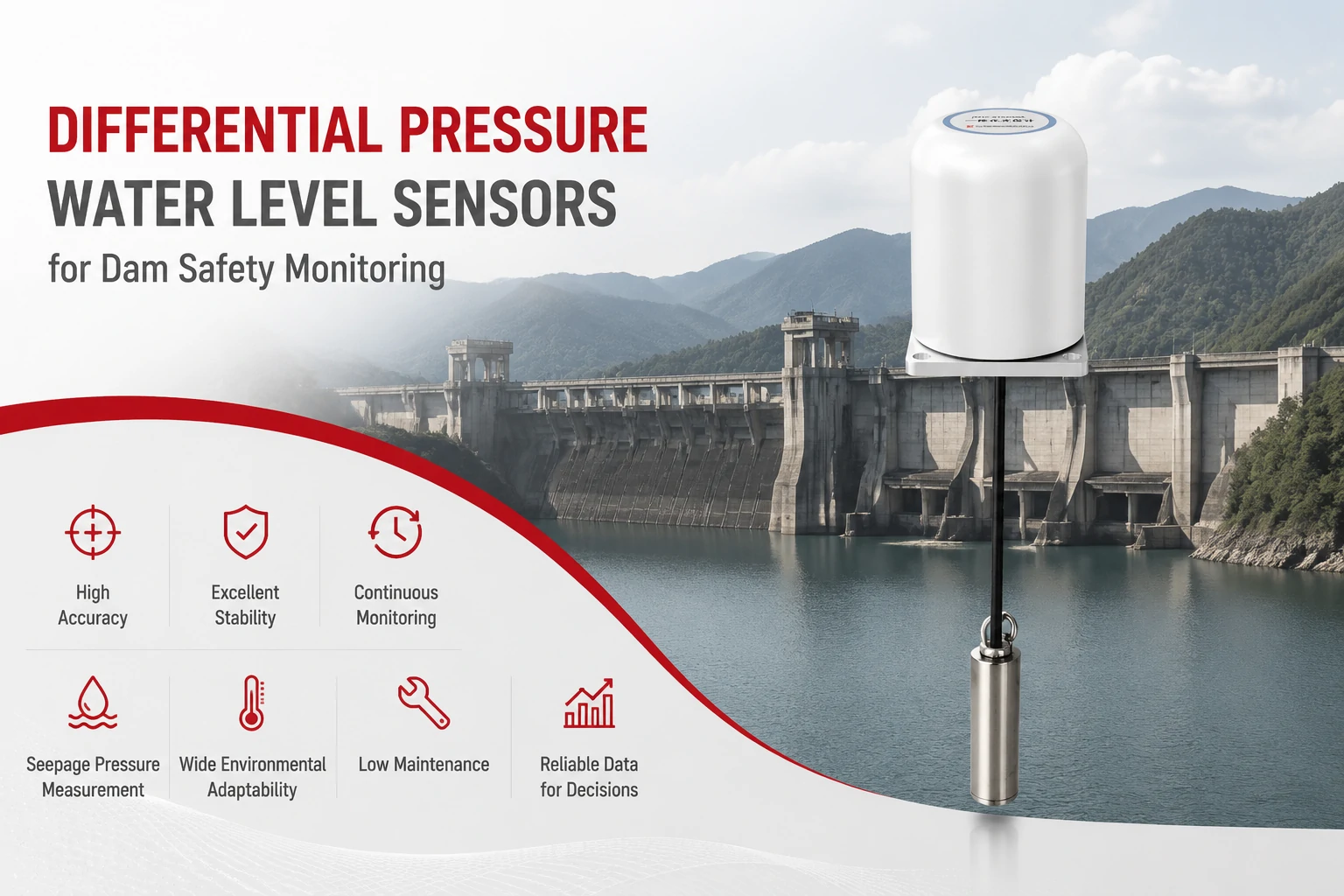
Key Takeaways The strongest fit is usually a confined, submerged, or s...
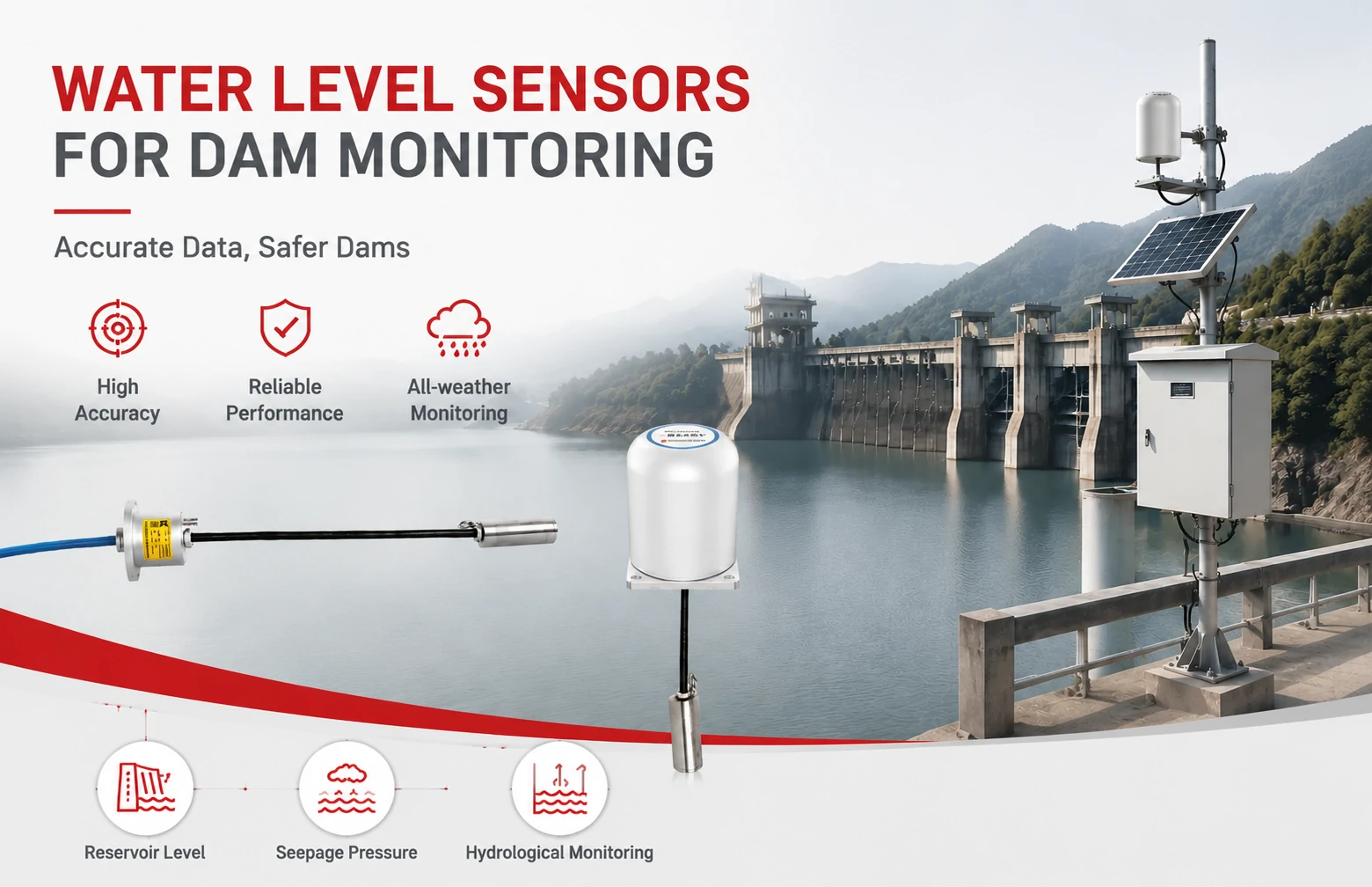
Kingmach Water Level Sensors for Dam Monitoring: A Buyer's Guide to Differential Pre...
Products
FAQ
MEMS units are usually smaller, draw less power, and cost significantly less. They also handle shock better. The trade-off is often a slightly higher noise floor at very low frequencies (<0.1 Hz). For most geotechnical applications like slope inclinometers or vibration monitoring above 0.1 Hz, modern capacitive MEMS elements provide more than enough resolution. We still recommend force-balance for ultra-low-frequency seismic studies, but for anything else, MEMS is the pragmatic choice.
Yes. Our standard offering includes a fully sealed IP68 stainless steel housing tested to 50 meters of water depth. The cable gland and connector are also water-blocked, so condensation won’t migrate inside. We’ve had units running in 100-meter-deep inclinometer casings for months without issues.
Most projects use 0.5–4.5 V ratiometric output, which is easy to read with a typical datalogger. We also offer 4–20 mA current loop for longer cable distances and RS485 with Modbus protocol. If you need something else like CAN bus, it’s a custom order but quite doable.
Every sensor we ship comes with a calibration sheet that shows sensitivity and zero-g offset at -20°C, +25°C, and +70°C. The on-chip temperature sensor allows you to apply a polynomial correction if your logger supports it. In our experience, the residual drift is typically under 0.1 mg/°C after the first-order correction.
For standard range models, we can ship a single unit for evaluation. Volume pricing kicks in at around 50 pieces. Custom ranges or connectors usually require a one-time engineering fee and a minimum batch of 10–20 units, depending on complexity.
Share your product type, target capacity, and application requirements. Our team can review the details and recommend a practical next step.
If you are interested in our products or want to become our partner.
Please leave your contact information, our team will contact you as soon as possible.
Mail: [email protected]
Contact Us: +8613808434127
Address: No. 188 Tongzipo West Rd, Changsha, Hunan, China