
 EN
EN
 ar
ar bg
bg hr
hr cs
cs da
da nl
nl fi
fi fr
fr de
de el
el hi
hi it
it ko
ko no
no pl
pl pt
pt ro
ro ru
ru es
es sv
sv tl
tl iw
iw id
id lv
lv lt
lt sr
sr sk
sk sl
sl uk
uk vi
vi et
et hu
hu th
th tr
tr fa
fa ms
ms hy
hy ka
ka ur
ur bn
bn mn
mn ta
ta kk
kk uz
uz ku
ku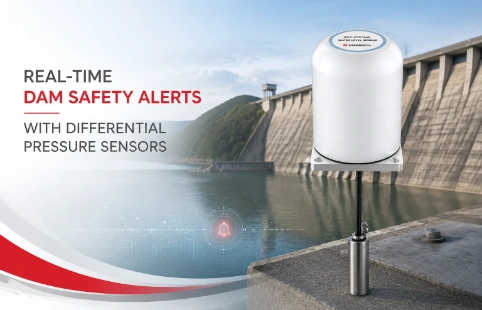
Real-Time Dam Safety Alerts with Differential Pressure Water Level Sensors
Key Takeaways An alert chain needs more than a sensor: define field in...

Rosette Strain Gauges: Revealing Stress Patterns in Structures
When monitoring structural health, engineers often face a dilemma: single-axis strain gauges only tell part of the story. In real-world applications, stress rarely aligns with a single direction, and without knowing the full strain tensor, you might misinterpret the data. Rosette strain gauges solve this by measuring strain in three concurrent directions from a single point. By combining the readings, you can resolve principal strains and orientations effortlessly. Kingmach, a professional manufacturer of geotechnical instruments, integrates these rosette gauges into its monitoring portfolio. Rather than treating them as generic sensors, the company focuses on making them reliable under field conditions—whether inside a tunnel, on a bridge pier, or embedded in a foundation. The gauges are built to withstand moisture, temperature swings, and mechanical vibration, which are common in geotechnical sites. This practical focus means less time compensating for environmental noise and more confidence in the stress analysis results. For projects where understanding the real structural behavior matters, rosette strain gauges from Kingmach offer a straightforward way to get complete strain data without complex assumptions.
Technical Detail
Strain measurement in geotechnical engineering rarely follows a textbook pattern. Concrete cracks, rock masses shift, and steel reinforcements bend in ways that demand more than a single-axis view. Kingmach’s rosette strain gauges are designed for these messy realities. They come in standard 0°/45°/90° and 0°/60°/120° grid arrangements, so you can choose the configuration that matches your stress analysis method—whether you prefer rectangular or delta rosettes. The gauges themselves are manufactured on a flexible backing that conforms to curved surfaces, which is handy when bonding to rock samples or irregular concrete. The lead wires are pre-attached and strain-relieved, cutting down the fuss during installation. For harsh environments, Kingmach offers moisture-resistant coatings and temperature compensation to keep drift under control. This attention to the nitty-gritty comes from years of supplying instrumentation for dams, tunnels, and slopes, where a faulty reading isn’t just an inconvenience—it can mean missing an early warning sign. Beyond the sensor, Kingmach’s support network matters. With a global distribution chain, you’re not left hunting for spare gauges mid-project. And if your application doesn’t fit a standard catalog item, the company can customize gauge size, resistance, or grid pattern. Their engineering team usually works directly with clients to iron out technical questions, from adhesive selection to wiring for long cable runs. This hands-on approach bridges the gap between a catalog part and a field-ready tool, which is what most geotechnical professionals are actually looking for.
News
Key Takeaways An alert chain needs more than a sensor: define field in...
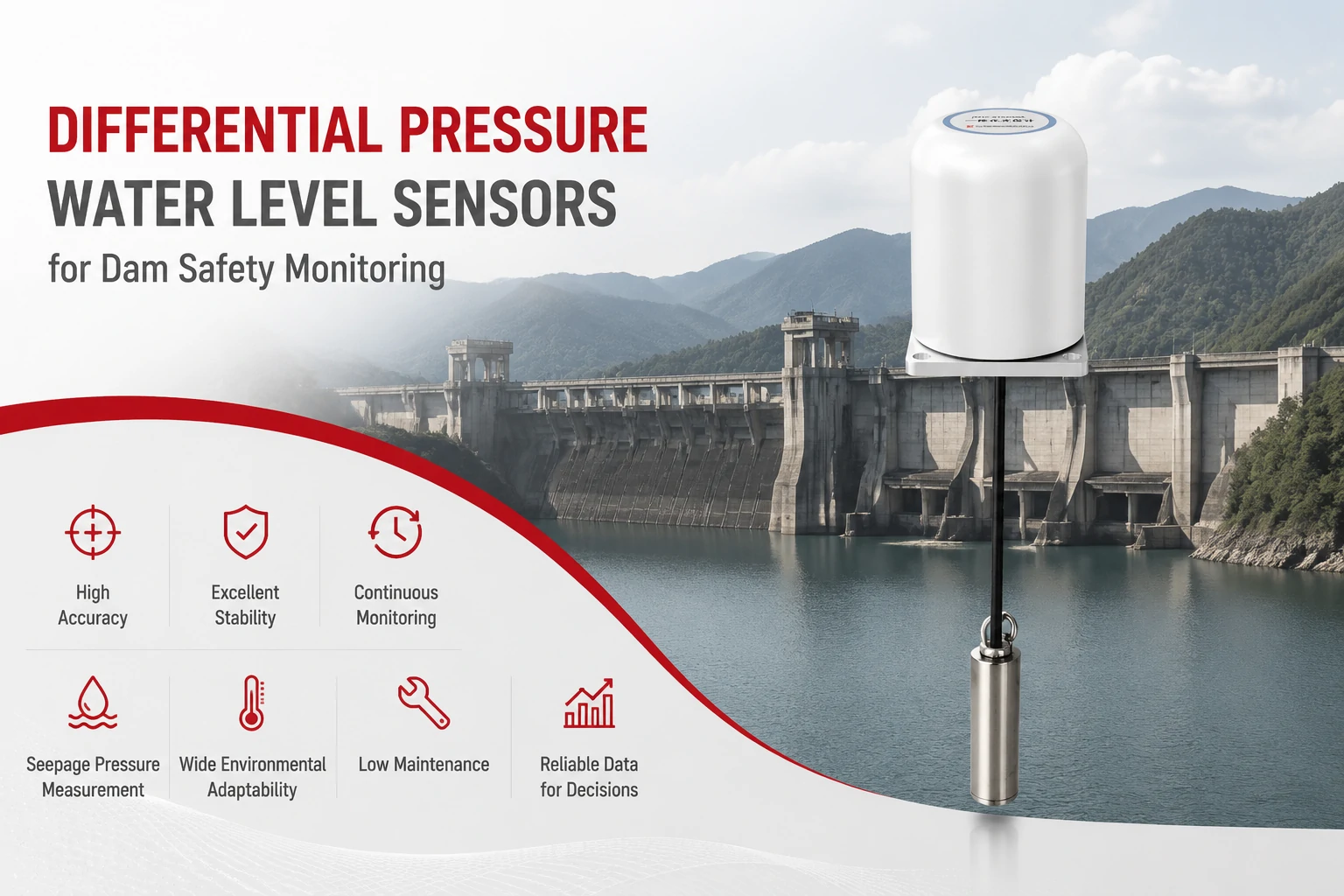
Key Takeaways The strongest fit is usually a confined, submerged, or s...
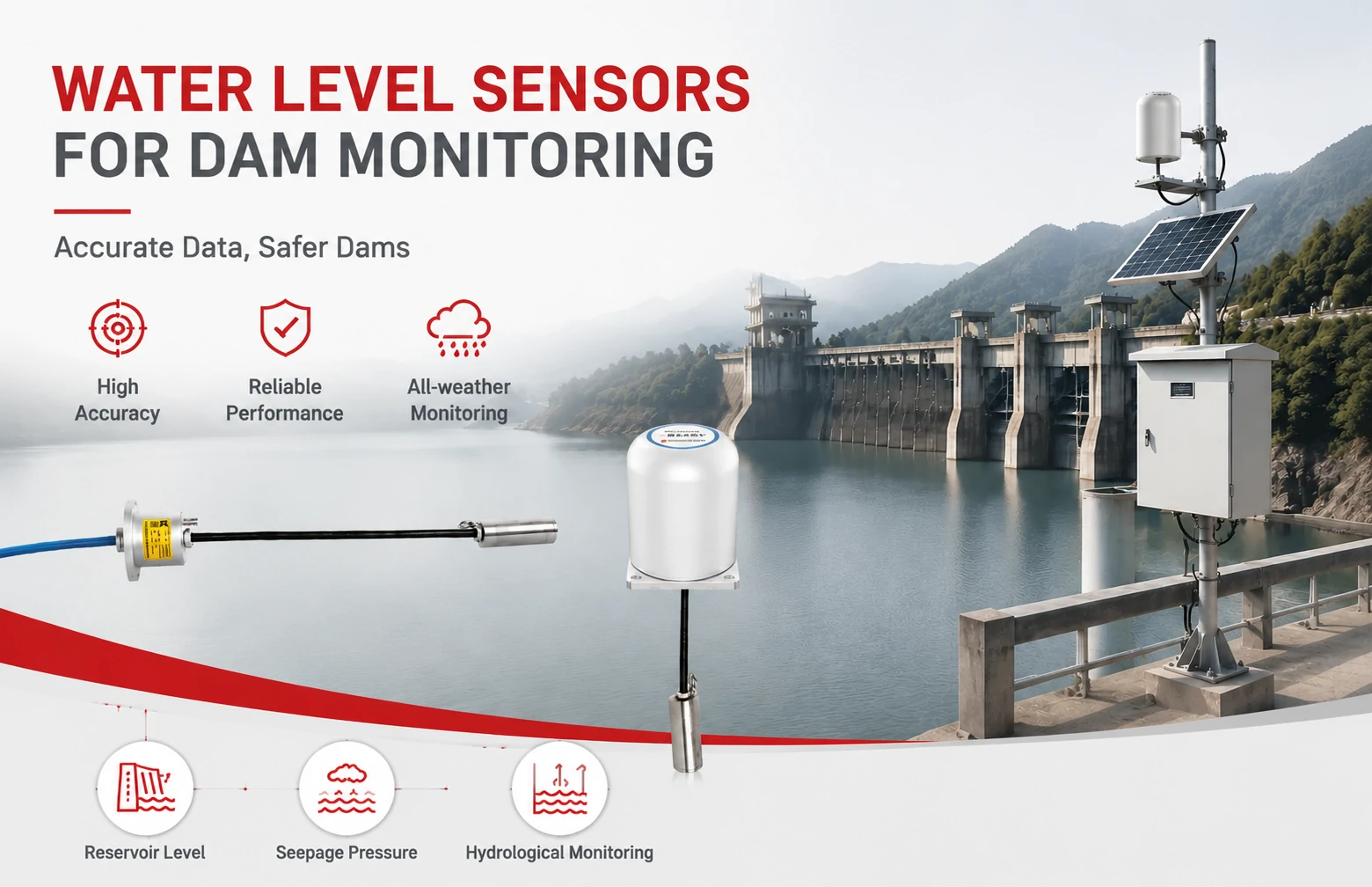
Kingmach Water Level Sensors for Dam Monitoring: A Buyer's Guide to Differential Pre...
Products
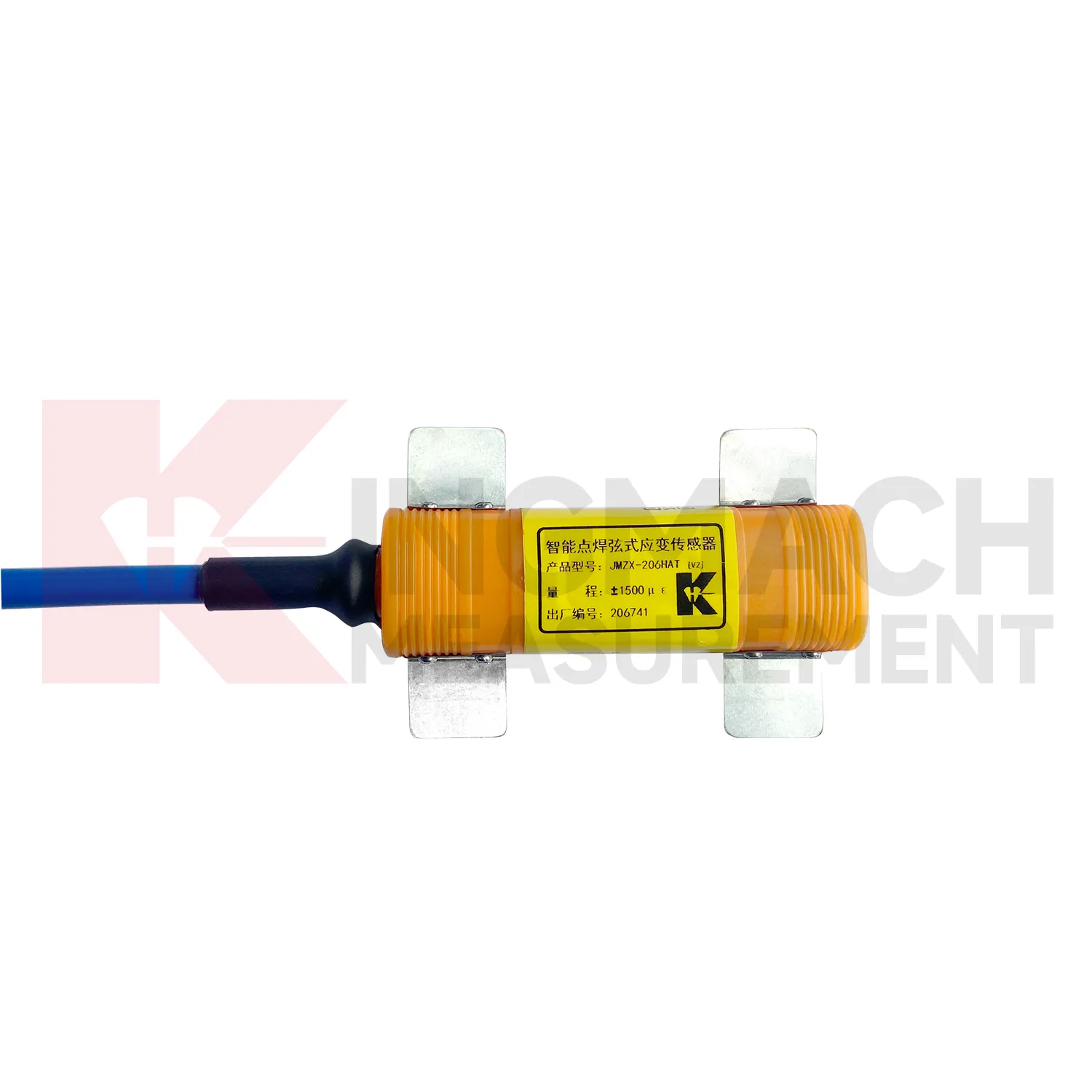
Smart vibrating wire strain gauge (surface welded model) JMZX-206HAT
View Details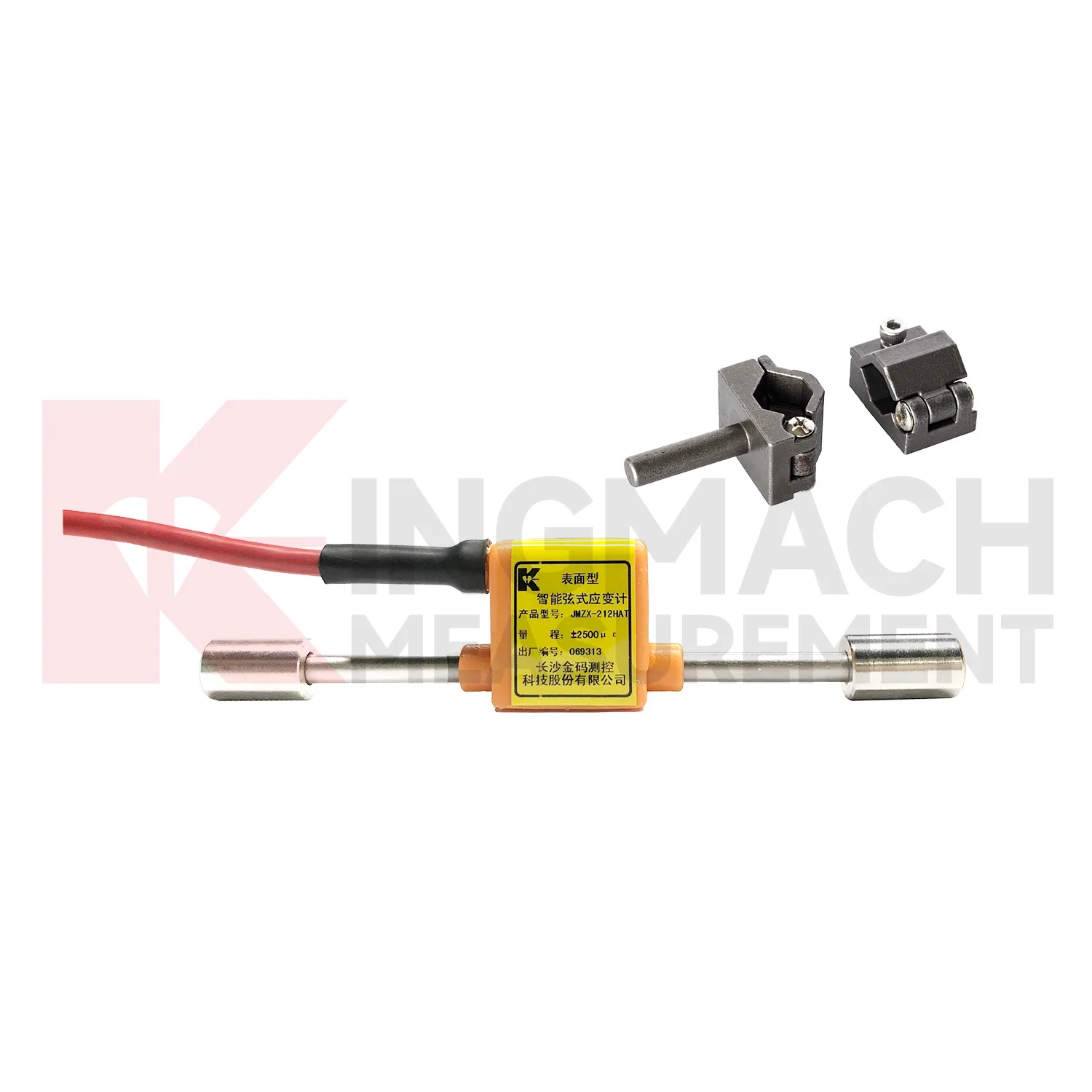
Smart vibrating wire strain gauge (surface model) JMZX-212HAT/HB
View Details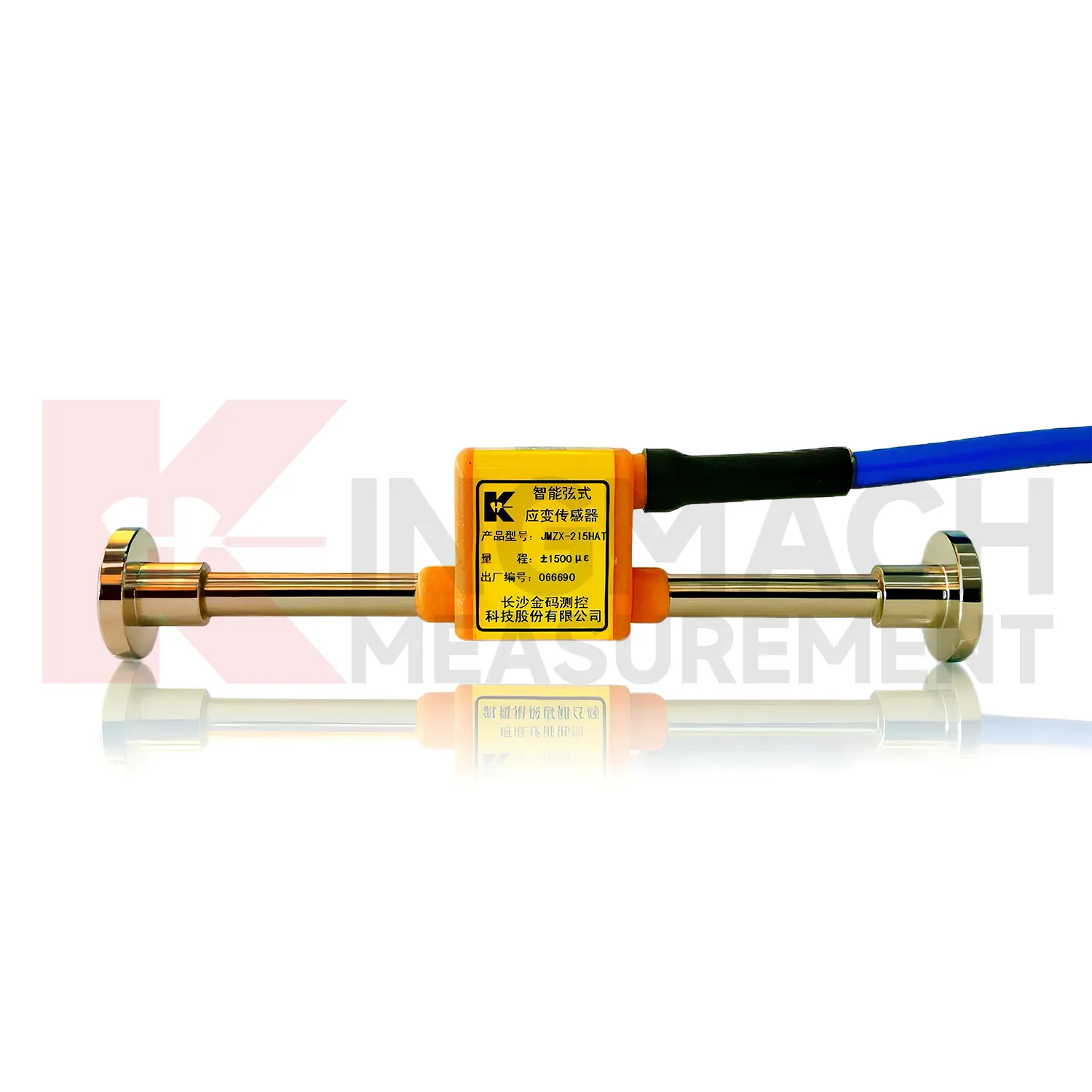
Smart vibrating wire strain gauge (embedment model) JMZX-215HA/215HAT/HB
View DetailsFAQ
We supply both rectangular (0°/45°/90°) and delta (0°/60°/120°) rosettes as standard. The rectangular type is often used when you have a rough idea of principal directions, while the delta arrangement works well when stress directions are completely unknown. Custom grid angles are possible if a project calls for something different.
For homogeneous materials like metal, a smaller gauge length (around 3-6mm) captures local strain accurately. For concrete or rock with coarse aggregates, a longer gauge (10mm or more) averages over the inhomogeneities so you get a representative reading. We usually recommend discussing your material specifics with our support team—they can suggest a length based on similar past projects.
Yes, we offer gauges with special encapsulation that protects the grid and solder joints against moisture ingress. For fully submerged applications, we can apply additional waterproofing layers. It's important to let us know the expected depth and exposure duration so we prepare the right sealing method.
They work with any standard strain indicator or data logger that reads quarter-bridge configurations. Most systems from brands like Vishay, Campbell Scientific, or even our own data loggers will do. Just make sure the input range matches the gauge resistance (typically 120 or 350 ohms) and the wiring is correct for three-wire quarter-bridge to compensate for lead resistance.
Share your product type, target capacity, and application requirements. Our team can review the details and recommend a practical next step.
If you are interested in our products or want to become our partner.
Please leave your contact information, our team will contact you as soon as possible.
Mail: [email protected]
Contact Us: +8613808434127
Address: No. 188 Tongzipo West Rd, Changsha, Hunan, China