
 EN
EN
 ar
ar bg
bg hr
hr cs
cs da
da nl
nl fi
fi fr
fr de
de el
el hi
hi it
it ko
ko no
no pl
pl pt
pt ro
ro ru
ru es
es sv
sv tl
tl iw
iw id
id lv
lv lt
lt sr
sr sk
sk sl
sl uk
uk vi
vi et
et hu
hu th
th tr
tr fa
fa ms
ms hy
hy ka
ka ur
ur bn
bn mn
mn ta
ta kk
kk uz
uz ku
ku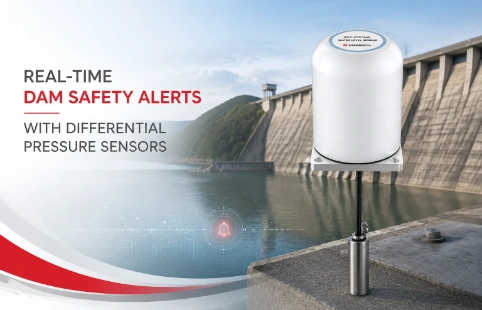
Real-Time Dam Safety Alerts with Differential Pressure Water Level Sensors
Key Takeaways An alert chain needs more than a sensor: define field in...

Stress Strain Sensors: Built for Field Monitoring
Monitoring how materials deform under load is central to geotechnical and structural work. Stress strain sensors turn mechanical changes into measurable signals—usually through vibrating wire or resistive strain gauge technology. In practice, that means tracking stress in tunnel linings, piles, retaining walls, or bridges long after construction. Kingmach’s lineup covers point-weldable strain gauges, embedment sensors, and arc-weldable options, all engineered to survive wet, high-pressure, or chemically aggressive environments. Rather than chasing extreme specs, the emphasis is on stability and repeatable data over years of service. Customization is routine here: sensor range, cable length, even mounting adapters can be matched to project drawings before shipping. With a global distribution network and in-house technical support, these sensors are a practical choice when standard off-the-shelf parts don’t quite fit the borehole or the budget.
Technical Detail
Stress strain sensors measure elongation or compression in concrete, steel, and rock. Two common types serve most field needs. Vibrating wire strain gauges use a tensioned wire inside a sealed tube; strain changes the wire’s resonant frequency, which is immune to cable resistance and electrical noise—handy when you’re running cables over 500 meters in a dam gallery. Resistive foil strain gauges offer high sensitivity and fast response, often used in dynamic load testing or short-term structural health monitoring. Kingmach produces both types under its geotechnical instrument line, targeting mid-range projects that demand dependable data without exotic pricing. Standard sensor bodies are stainless steel, with IP68-rated cable glands and thermistors built in for temperature compensation. The gauges can be arc-welded to steel piles, embedded inside concrete, or mounted on rebar via spot welding—installation flexibility that saves time on site. Output can go to any datalogger that accepts mV/V or Hz signals, and the signal conditioning module keeps things linear within ±0.1% full scale. What makes these sensors useful isn’t just the electronics; it’s the support around them. Engineering teams often send over borehole layouts or beam profiles, and Kingmach returns a ready-to-install set with matched gauge factors and wiring diagrams. After-sales calls typically get answered by someone who’s been inside a trench, not just a manual. That practical approach, combined with a wide catalog that includes pressure cells, joint meters, and inclinometers, means one supplier can cover most monitoring points on a job. For long-term projects, that simplifies logistics and calibration scheduling.
News
Key Takeaways An alert chain needs more than a sensor: define field in...
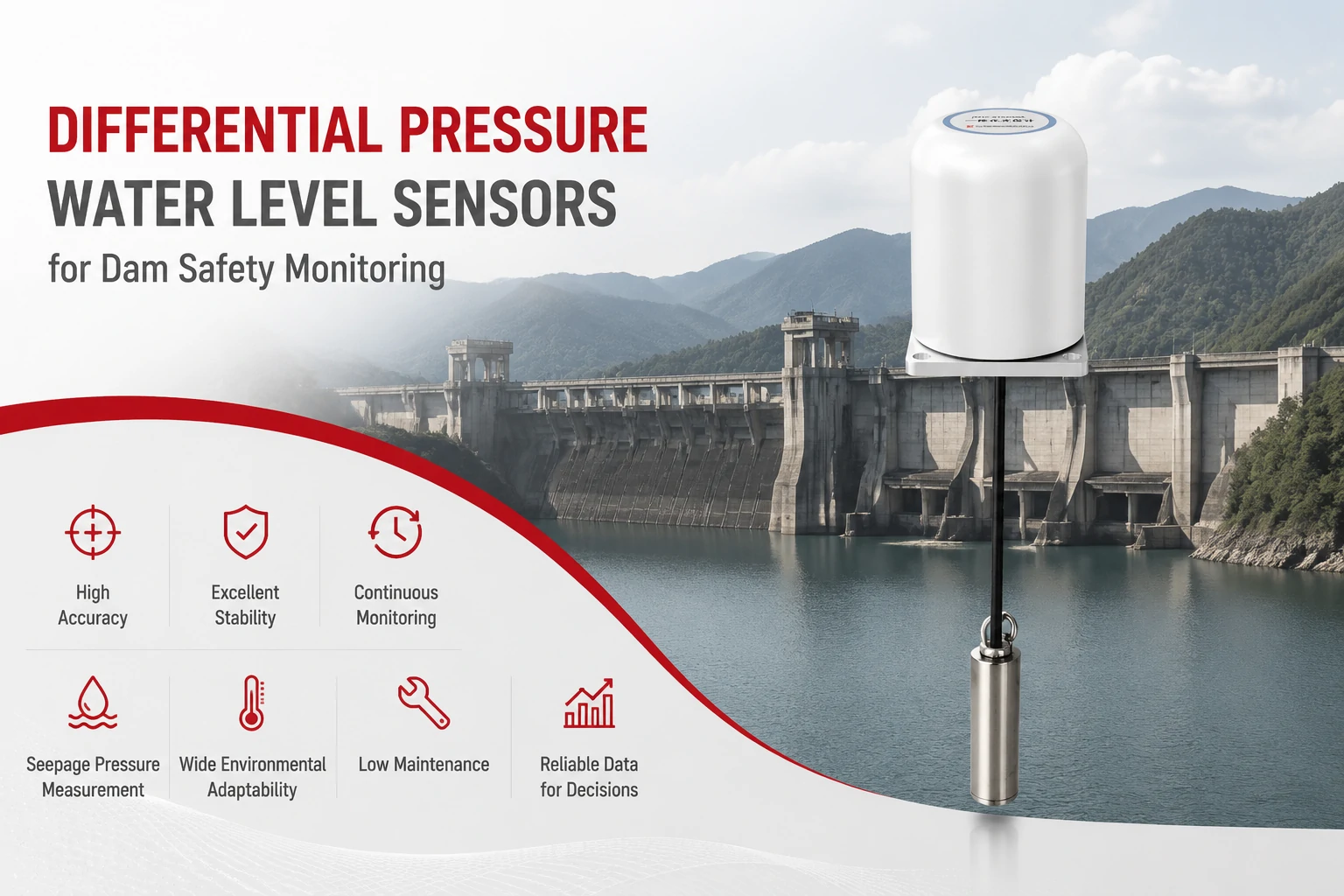
Key Takeaways The strongest fit is usually a confined, submerged, or s...
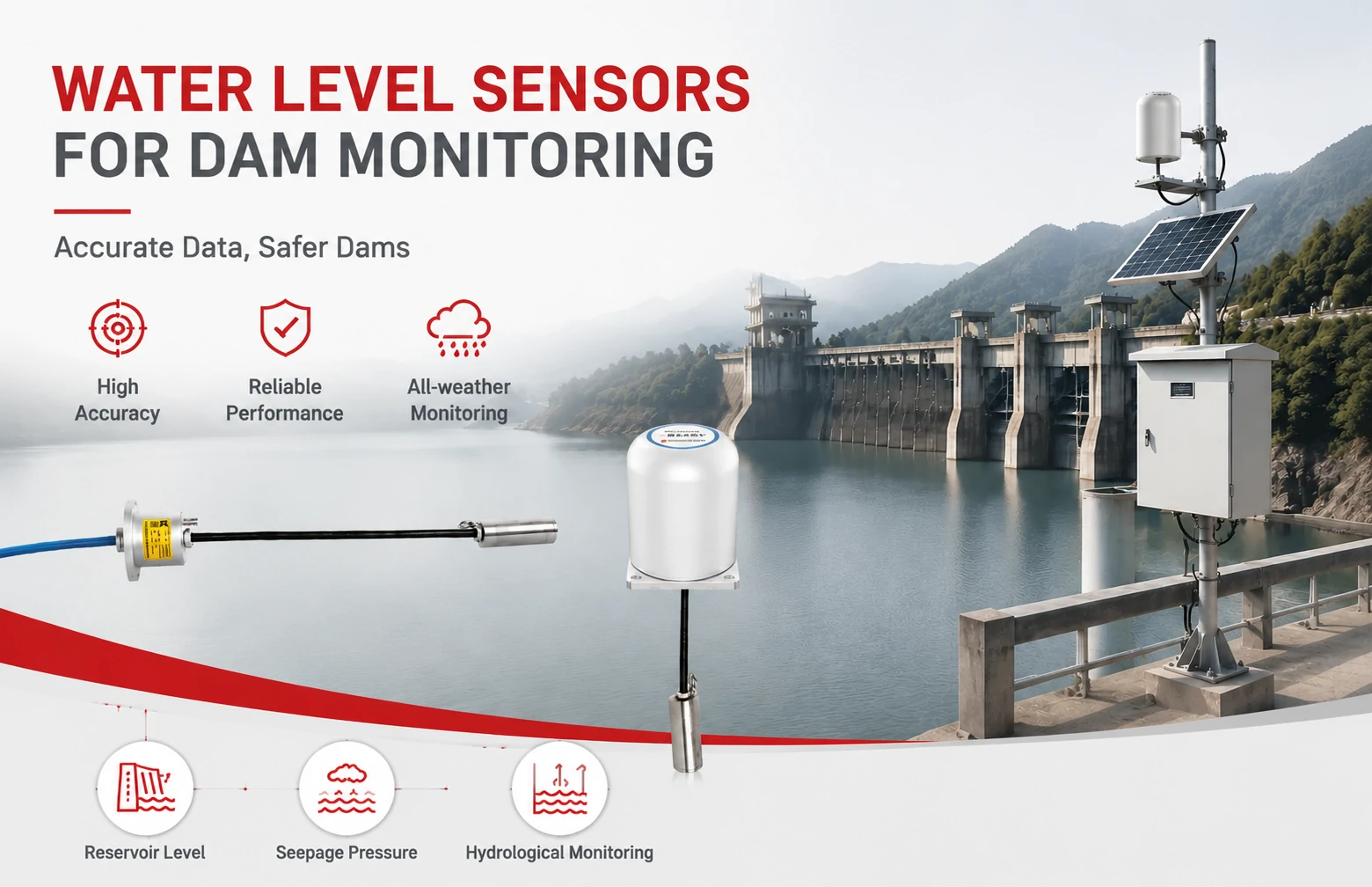
Kingmach Water Level Sensors for Dam Monitoring: A Buyer's Guide to Differential Pre...
Products
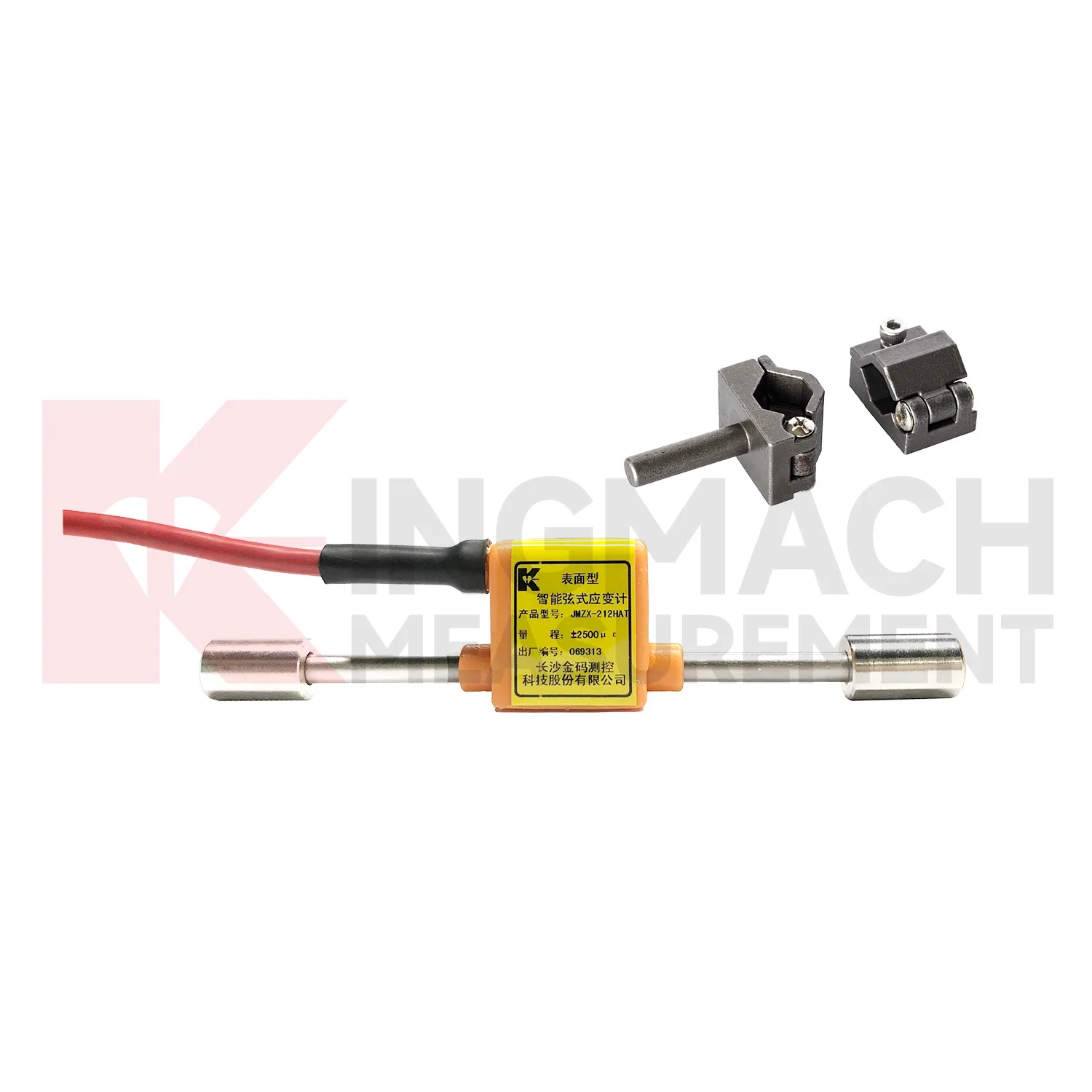
Smart vibrating wire strain gauge (surface model) JMZX-212HAT/HB
View Details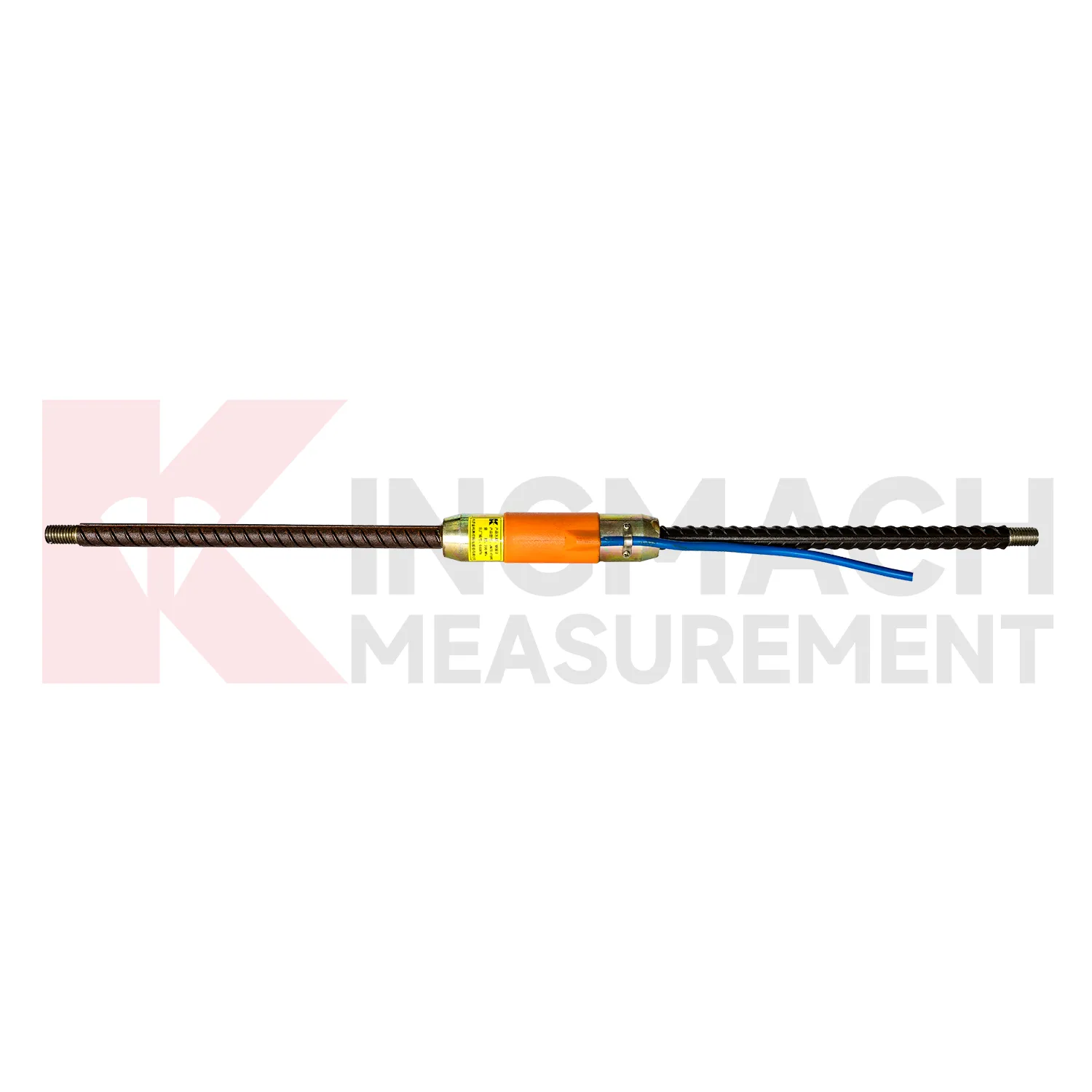
Rebar Strainmeters ( VW & Smart Type) JMZX-4XXHAT/HB
View Details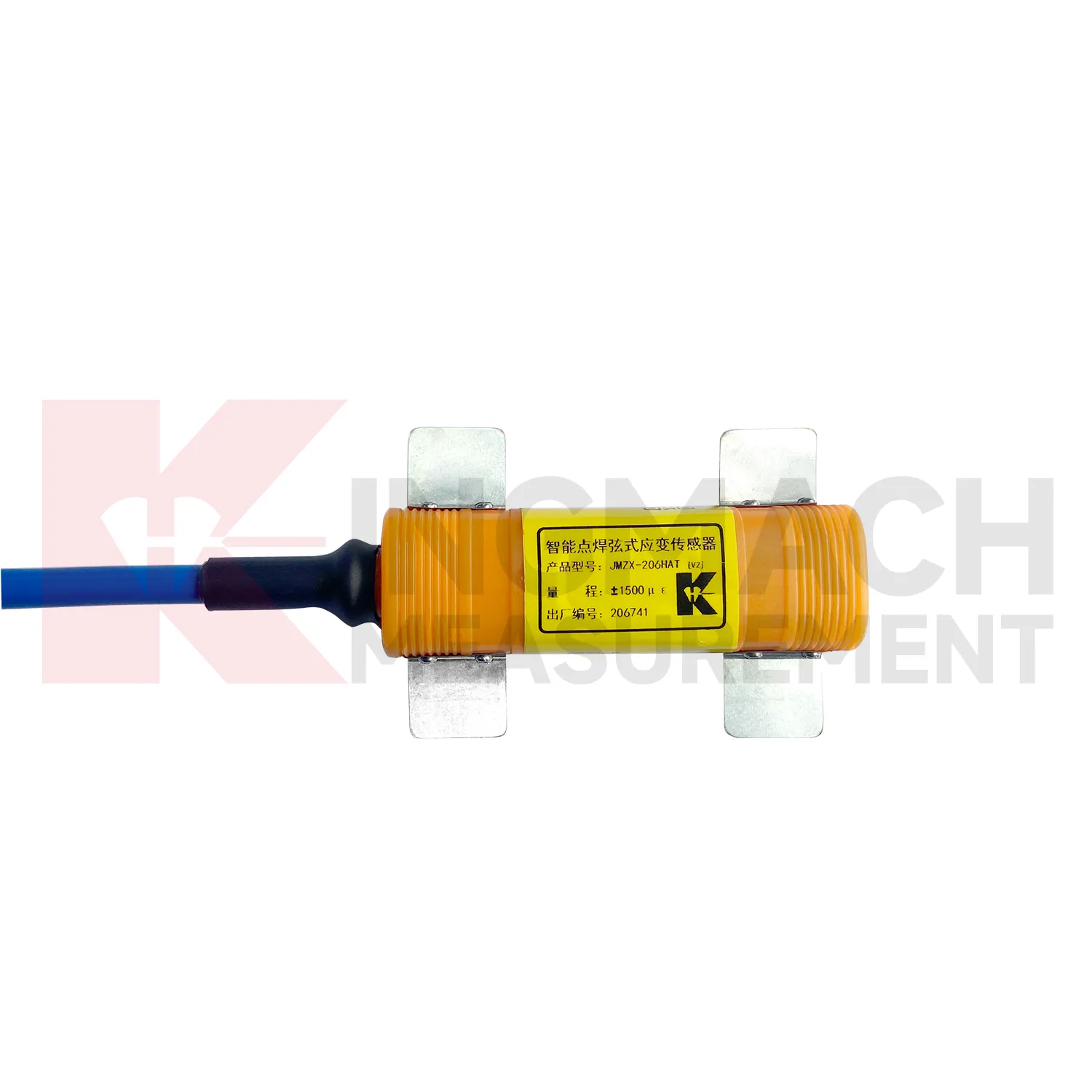
Smart vibrating wire strain gauge (surface welded model) JMZX-206HAT
View DetailsFAQ
Vibrating wire gauges are often preferred for long-term static monitoring because their frequency output doesn’t degrade over long cable runs. They also resist electrical drift. Resistive gauges react faster and work well for dynamic events, but they may need more frequent calibration and shielding in wet environments.
Yes, Kingmach regularly adjusts gauge length, range, cable type, and mounting hardware. If you have a particular borehole diameter or surface curvature, they can supply sensors with compatible adapters and factory-set gauge factors to match your datalogger.
For concrete, embedment-type sensors are typically grouted into a prepared slot or cast into fresh concrete. Surface-mounting often uses arc-welded or spot-welded fixtures. The key is ensuring the sensor and the structure move together—proper cleaning and welding technique matter more than gauge specs.
Most Kingmach strain gauges specify a linearity of ±0.1% to ±0.2% full scale after temperature compensation. Real-world accuracy depends on installation quality, cable routing, and datalogger resolution. They include thermistors for temperature correction, which is essential for concrete structures.
Yes, as long as your logger reads vibrating wire Hz signals or mV/V inputs for resistive sensors. Kingmach provides wiring schematics and conversion formulas; no proprietary interface is required.
Share your product type, target capacity, and application requirements. Our team can review the details and recommend a practical next step.
If you are interested in our products or want to become our partner.
Please leave your contact information, our team will contact you as soon as possible.
Mail: [email protected]
Contact Us: +8613808434127
Address: No. 188 Tongzipo West Rd, Changsha, Hunan, China