
 EN
EN
 ar
ar bg
bg hr
hr cs
cs da
da nl
nl fi
fi fr
fr de
de el
el hi
hi it
it ko
ko no
no pl
pl pt
pt ro
ro ru
ru es
es sv
sv tl
tl iw
iw id
id lv
lv lt
lt sr
sr sk
sk sl
sl uk
uk vi
vi et
et hu
hu th
th tr
tr fa
fa ms
ms hy
hy ka
ka ur
ur bn
bn mn
mn ta
ta kk
kk uz
uz ku
ku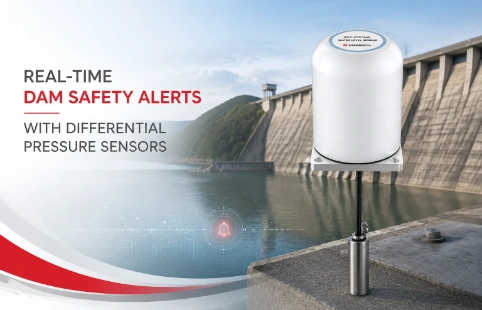
Real-Time Dam Safety Alerts with Differential Pressure Water Level Sensors
Key Takeaways An alert chain needs more than a sensor: define field in...

Tipping Bucket Rain Gauge with Typical 0.2 mm Resolution
Rainfall data drives decisions in hydrology, agriculture, and urban planning. But what makes a tipping bucket rain gauge trustworthy? Often, it comes down to resolution — the smallest amount of rain it can measure precisely. Across the industry, 0.2 mm has become a de facto benchmark. It's not an arbitrary number. This resolution balances measurement frequency with bucket stability, ensuring reliable operation during heavy downpours and light drizzles alike. Kingmach, a manufacturer of geotechnical and environmental instruments, supplies tipping bucket gauges that adhere to this widespread standard. Their devices are built for field conditions: rugged housings, gold-plated reed switches, and carefully calibrated tipping mechanisms. Whether deployed in a remote mountain catchment or a city weather station, the 0.2 mm resolution offers sufficient granularity for most monitoring tasks without excessive tipping that could cause wear or data noise. Engineers and researchers often ask: why not 0.1 mm? While finer resolutions exist, the mechanical limitations and risk of evaporation losses often outweigh the benefits, making 0.2 mm a practical choice. Kingmach's range includes both heated and unheated models, so you can match the sensor to the environment. In practice, the typical 0.2 mm resolution provides a robust baseline for everything from flood early warning to irrigation scheduling.
Technical Detail
Kingmach tipping bucket rain gauges are designed around the 0.2 mm resolution standard. The funnel collects rainfall, directing water into a two-sided bucket mechanism. When one side fills to the calibrated volume, the bucket tips, triggering a reed switch. Each tip corresponds to 0.2 mm of precipitation. This measurement principle ensures a linear response over a wide intensity range, typically up to 4 mm/min without significant losses. The housing is constructed from corrosion-resistant aluminum alloy or stainless steel, with a UV-stabilized plastic funnel. Internal components, such as the reed switch, are often gold-plated to prevent oxidation and ensure consistent electrical contact. Kingmach offers models with built-in heating elements for snow and ice conditions, expanding applicability to cold climates. Signal output is commonly a dry-contact pulse, compatible with most dataloggers. For integration into existing monitoring networks, the gauges can be fitted with SDI-12 or RS485 interfaces. Mechanical leveling screws and a bubble level simplify field installation. The typical 0.2 mm resolution strikes a balance between sensitivity and maintenance needs — finer buckets would require more frequent cleaning to prevent clogging, while coarser ones miss light rain events. In cost-conscious projects, 0.2 mm provides a sweet spot: it meets World Meteorological Organization recommendations for many applications and keeps per-unit expense manageable. Kingmach supports customization of cable lengths, mounting brackets, and data transmission options to fit site-specific requirements.
News
Key Takeaways An alert chain needs more than a sensor: define field in...
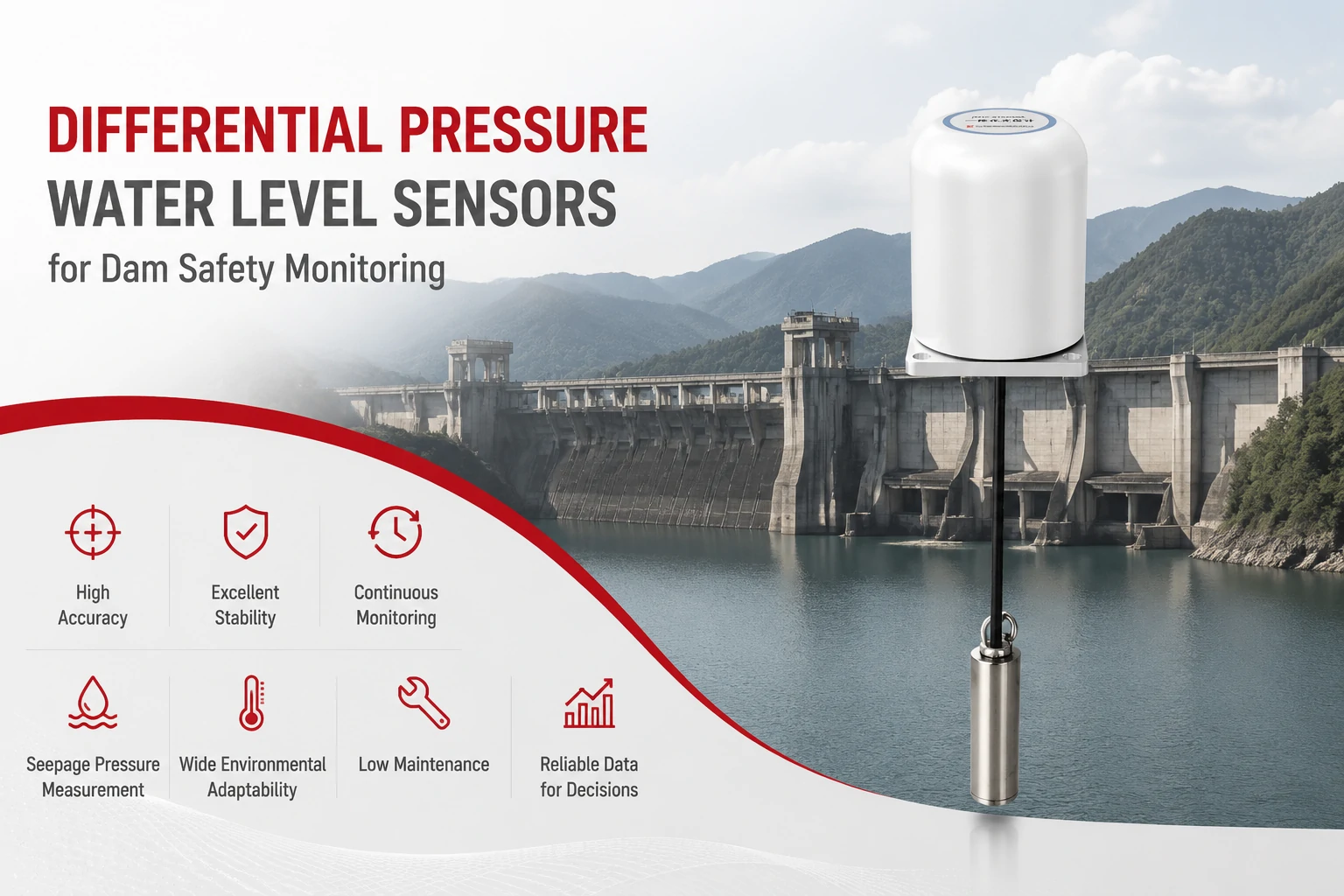
Key Takeaways The strongest fit is usually a confined, submerged, or s...
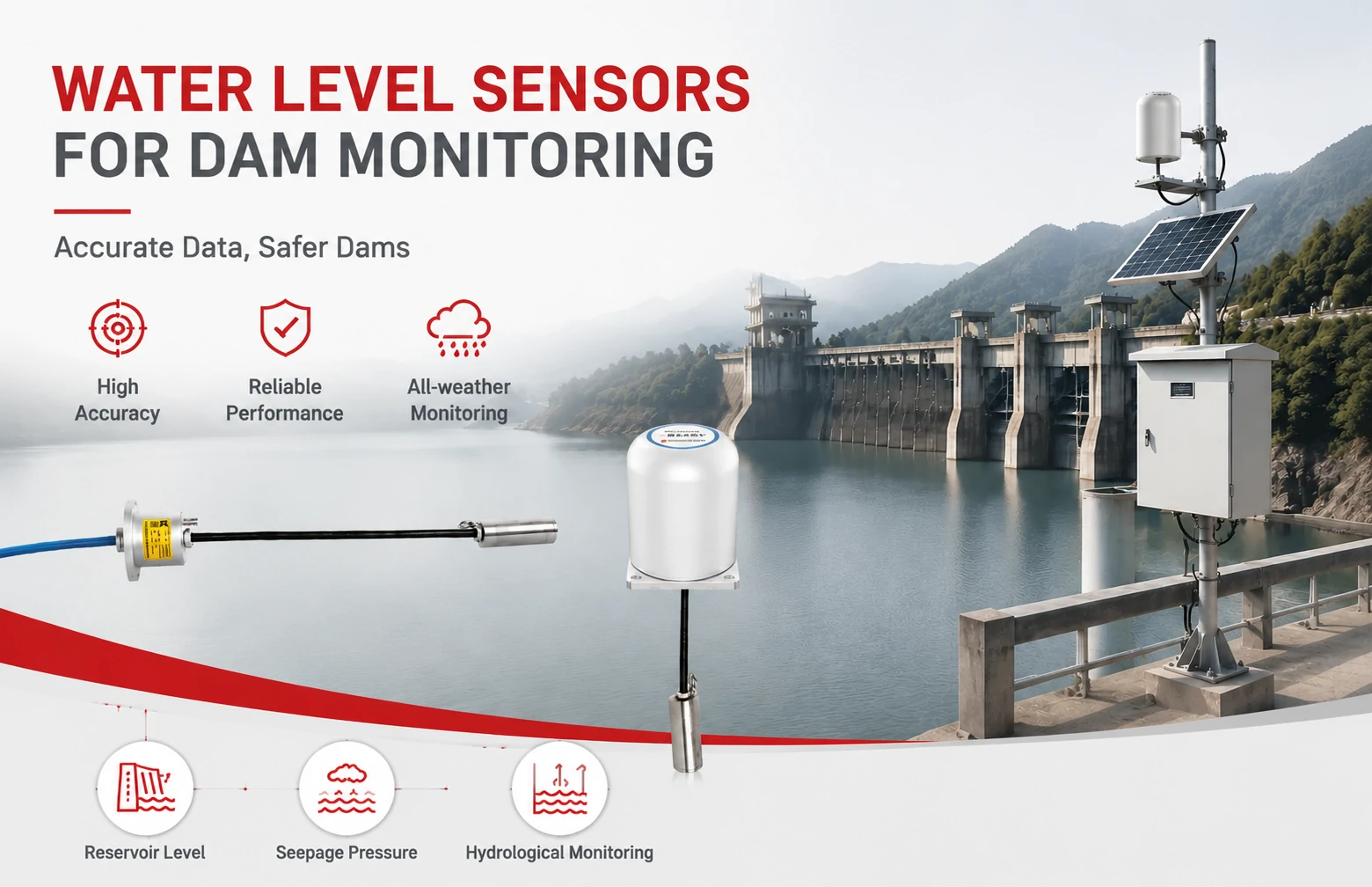
Kingmach Water Level Sensors for Dam Monitoring: A Buyer's Guide to Differential Pre...
Products
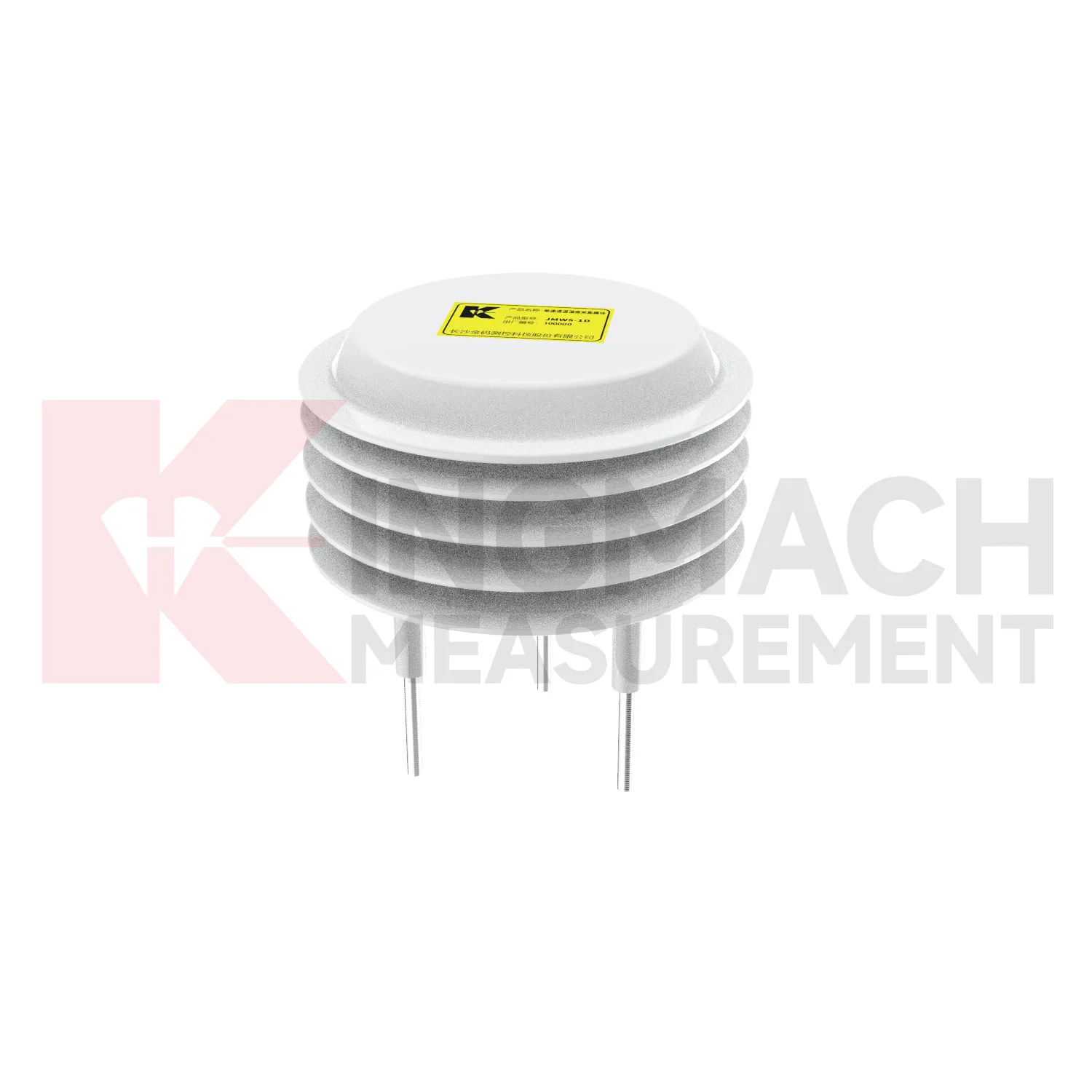
Single-Channel Temperature and Humidity Acquisition Module JMWS-1D
View Details
FAQ
The 0.2 mm resolution emerged as an industry standard because it balances measurement sensitivity with mechanical durability. Finer resolutions, like 0.1 mm, require smaller, more delicate buckets that can clog easily or tip too frequently, causing wear and data inaccuracies in heavy rain. At 0.2 mm, the bucket size allows reliable operation over a broad range of intensities while capturing light rain events effectively. This resolution also aligns with common hydrological modeling needs and WMO guidelines for many monitoring applications.
Some manufacturers offer 0.1 mm resolution, but they come with trade-offs. The reduced bucket volume increases evaporation losses between tips, especially in light drizzle, and the mechanism demands more frequent maintenance to prevent contamination. Kingmach provides 0.2 mm as a standard because field testing shows it delivers the best long-term reliability for most deployments. If your study requires finer measurement, we can discuss alternative technologies like optical rain gauges or discuss custom calibration, but most projects find 0.2 mm sufficient.
Kingmach gauges are engineered to maintain accuracy even at intensities exceeding 250 mm/h. The tipping mechanism's geometry and the precision of the gold-plated reed switch ensure each tip remains consistent, regardless of rain rate. In laboratory calibrations, the typical error remains within ±2% up to 4 mm/min, which covers most real-world downpours. For extreme conditions, the stabilising design of the bucket prevents splash-out and undercatch, so the 0.2 mm per tip relationship stays valid.
Standard units provide a simple dry-contact pulse closure per tip, which works with virtually any datalogger by counting pulses. Optionally, we integrate SDI-12 or RS485 digital interfaces for direct connection to environmental monitoring networks. This flexibility allows the gauge to interface with both legacy systems and modern IoT setups. We can also pre-wire cables with connectors specified by the customer to simplify field installation.
Every gauge leaves the factory with a calibration certificate traceable to national standards, set to the 0.2 mm per tip. Over years of use, mechanical wear or debris buildup can slowly shift the calibration point, so we recommend an annual check using a calibration kit or by sending the unit for service. In clean environments with moderate rainfall, drift is minimal, and many users find biennial checks sufficient. Replacement reed switches and field calibration tools are available from Kingmach.
Share your product type, target capacity, and application requirements. Our team can review the details and recommend a practical next step.
If you are interested in our products or want to become our partner.
Please leave your contact information, our team will contact you as soon as possible.
Mail: [email protected]
Contact Us: +8613808434127
Address: No. 188 Tongzipo West Rd, Changsha, Hunan, China